

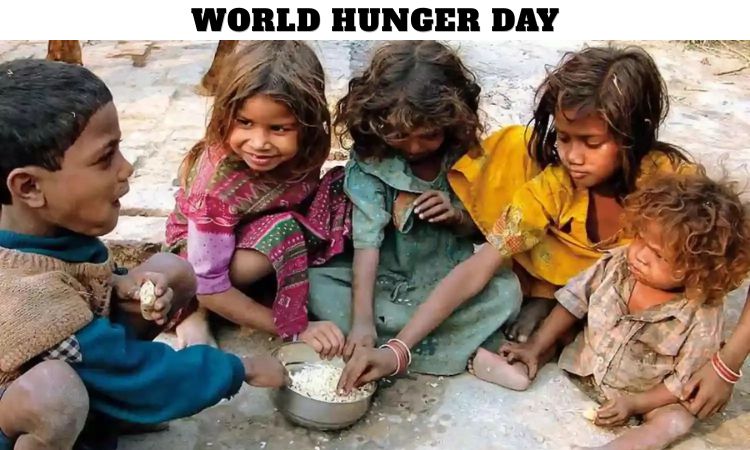
What Is World Hunger Day and Why Is It Observed on May 28?
World Hunger Day, observed every year on May 28, is a global awareness day dedicated to addressing hunger, food insecurity, and malnutrition affecting millions of people around the world. The observance highlights the urgent need for sustainable solutions that ensure every person has access to nutritious food, clean water, and opportunities for a healthy life.
World Hunger Day encourages governments, organizations, communities, and individuals to work together in fighting hunger and poverty. It also raises awareness about the root causes of hunger, including conflict, climate change, unemployment, inequality, and limited access to resources.
The day serves as a reminder that hunger is not only about food shortages but also about social and economic challenges that prevent people from meeting basic nutritional needs. Educational programs, charity campaigns, fundraising events, and awareness activities are commonly organized to encourage action and inspire long-term solutions.
World Hunger Day promotes compassion, cooperation, and responsibility while encouraging societies to support vulnerable communities and improve global food systems.
Why Is Hunger Still a Major Global Problem?
Despite advancements in agriculture, technology, and global development, hunger continues to affect millions of people worldwide. Many families struggle to access enough nutritious food because of poverty, unemployment, rising food prices, and economic inequality.
Armed conflicts and political instability often disrupt farming, transportation, and food distribution systems, making it difficult for communities to obtain essential supplies. Natural disasters such as droughts, floods, and storms can also destroy crops and livestock, leading to food shortages.
Climate change has become another major factor contributing to global hunger. Changing weather patterns affect agricultural productivity and make farming more challenging in many regions.
Hunger also affects children disproportionately. Malnutrition can lead to weakened immune systems, poor physical development, and limited educational opportunities. World Hunger Day draws attention to these challenges and encourages efforts to build more resilient and sustainable food systems.
How Does Hunger Affect Children and Families?
Hunger has severe physical, emotional, and social effects on children and families. Children who do not receive proper nutrition may experience stunted growth, weakened immunity, fatigue, and learning difficulties. Long-term malnutrition can impact brain development and reduce future opportunities.
Families facing food insecurity often experience stress, financial hardship, and health problems. Parents may struggle to balance household expenses while ensuring their children receive adequate meals and education.
In some communities, hunger forces children to leave school and work to support their families. This cycle of poverty and food insecurity can continue across generations without access to support and opportunities.
World Hunger Day emphasizes the importance of investing in nutrition, education, healthcare, and community development programs that help families build stable and healthier futures.
What Are the Main Causes of World Hunger?
World hunger is caused by a combination of social, economic, environmental, and political factors. Poverty remains one of the leading causes because families without stable income often cannot afford nutritious food.
Conflict and war can displace populations, damage agricultural infrastructure, and interrupt food supply chains. Refugees and displaced communities are especially vulnerable to hunger and malnutrition.
Climate-related challenges such as droughts, floods, extreme heat, and soil degradation reduce crop production and threaten food security. Farmers in developing regions are often heavily affected by unpredictable weather conditions.
Food waste is another major issue. Large amounts of food are lost during production, transportation, and consumption while millions of people remain hungry. Unequal distribution of resources and limited access to education and healthcare also contribute to global hunger.
World Hunger Day encourages societies to address these interconnected challenges through sustainable development and humanitarian cooperation.
How Do Organizations Fight Global Hunger?
Many international organizations, charities, and humanitarian groups work tirelessly to combat hunger and food insecurity. These organizations provide emergency food assistance, nutrition programs, agricultural training, and long-term community support.
Food banks and aid agencies distribute meals and essential supplies to vulnerable populations during crises and natural disasters. Agricultural development programs help farmers improve productivity through better seeds, irrigation systems, and farming techniques.
School meal programs are another effective strategy for reducing hunger among children while encouraging education and school attendance. Nutrition education initiatives also teach communities about healthy eating and food sustainability.
Organizations often collaborate with governments, local leaders, and volunteers to strengthen food systems and support economic opportunities. World Hunger Day highlights the importance of these efforts and encourages continued investment in hunger relief programs.
Why Is Sustainable Agriculture Important in Ending Hunger?
Sustainable agriculture plays a critical role in addressing hunger because it helps communities produce food efficiently while protecting natural resources for future generations.
Traditional farming methods may struggle against climate change, soil erosion, and water shortages. Sustainable practices such as crop rotation, water conservation, organic farming, and environmentally friendly technologies can improve food production while reducing environmental damage.
Supporting local farmers is also essential because small-scale agriculture provides food and income for millions of families worldwide. Access to modern tools, training, and fair markets allows farmers to increase productivity and strengthen food security.
World Hunger Day encourages governments and communities to invest in sustainable farming systems that promote resilience, nutrition, and long-term food availability.
How Does Food Waste Contribute to Hunger?
Food waste is a major global challenge that directly impacts hunger and sustainability. Millions of tons of food are discarded every year during farming, transportation, storage, retail, and household consumption.
While many people experience food shortages, edible food often goes unused due to poor distribution systems, overproduction, and consumer habits. Reducing food waste can help conserve resources, lower costs, and improve food access for vulnerable communities.
Households, restaurants, and businesses can contribute by planning meals carefully, storing food properly, donating excess supplies, and supporting food recovery programs.
Educational campaigns during World Hunger Day encourage individuals to become more mindful about food consumption and sustainability. Reducing waste is one practical way everyone can help address hunger and environmental challenges simultaneously.
Why Is Nutrition as Important as Food Availability?
Ending hunger is not only about providing enough calories but also ensuring access to nutritious and balanced diets. Poor nutrition can lead to serious health problems even when food is available.
Children and adults require essential vitamins, minerals, proteins, and nutrients for healthy growth, energy, and immune function. Diets lacking nutritional diversity can contribute to malnutrition, obesity, and chronic diseases.
Access to clean water and healthcare also affects nutrition outcomes. Communities facing poverty and food insecurity often struggle with limited access to nutritious foods and medical services.
World Hunger Day highlights the importance of nutrition-focused solutions that improve overall health and well-being rather than simply increasing food supply.
How Can Individuals Help Fight Hunger?
Individuals can play a meaningful role in fighting hunger through donations, volunteering, education, and responsible consumption. Supporting local food banks, charities, and community kitchens helps provide meals to people in need.
People can also reduce food waste by planning meals carefully and donating unused food when possible. Purchasing from local farmers and sustainable food producers supports stronger food systems and community development.
Raising awareness through social media, schools, workplaces, and community events can encourage others to participate in hunger relief efforts. Volunteering at shelters, food drives, and nonprofit organizations provides direct support to vulnerable populations.
World Hunger Day reminds everyone that collective action and small everyday choices can contribute to lasting positive change in the fight against hunger.
Why Does World Hunger Day Continue to Matter Today?
World Hunger Day remains highly important because hunger continues affecting millions of people despite global progress in technology and economic development. Rising food costs, climate change, conflicts, and inequality continue creating barriers to food security in many regions.
The observance encourages governments, organizations, and citizens to recognize hunger as a global challenge requiring long-term commitment and cooperation. It also promotes empathy and awareness about the struggles faced by vulnerable communities worldwide.
As populations grow and environmental pressures increase, sustainable food production and equitable distribution become even more essential. World Hunger Day inspires action toward building a future where everyone has access to nutritious food and opportunities for a healthy life.
The day reminds society that ending hunger is possible through education, innovation, compassion, and collective responsibility.
Frequently Asked Questions (FAQs)
1. When is World Hunger Day observed?
World Hunger Day is observed every year on May 28.
2. What is the purpose of World Hunger Day?
The day raises awareness about hunger, food insecurity, and sustainable solutions to end global hunger.
3. What causes world hunger?
Major causes include poverty, conflict, climate change, unemployment, food waste, and inequality.
4. How does hunger affect children?
Hunger can cause malnutrition, poor growth, weakened immunity, and learning difficulties in children.
5. Why is sustainable agriculture important?
Sustainable agriculture helps improve food production while protecting natural resources and supporting communities.
6. How can people help reduce hunger?
People can donate food, volunteer, reduce waste, support charities, and raise awareness about hunger issues.
7. What is food insecurity?
Food insecurity means lacking reliable access to enough nutritious food for a healthy life.
8. Why is food waste a problem?
Food waste wastes valuable resources while millions of people continue to experience hunger.
9. Which organizations fight global hunger?
Many charities, food banks, humanitarian agencies, and international organizations work to combat hunger worldwide.
10. Why does World Hunger Day matter today?
The day remains important because millions of people still face hunger and malnutrition globally.