

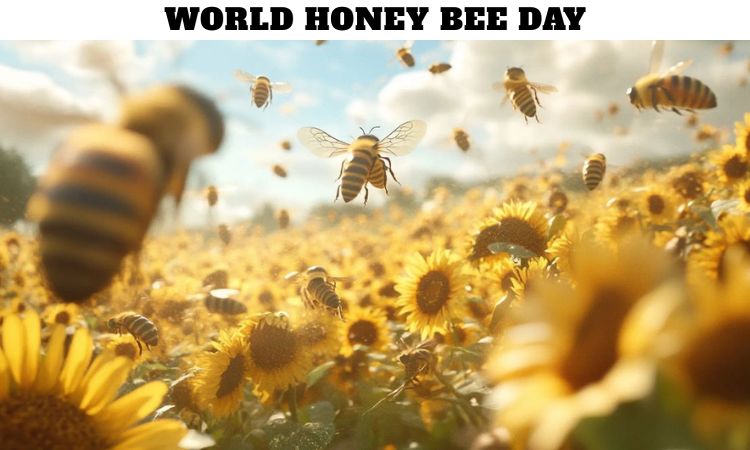
What Is World Honey Bee Day and Why Is It Celebrated on August 15?
World Honey Bee Day is an annual observance dedicated to raising awareness about the vital role honey bees play in agriculture, ecosystems, and everyday life. It falls on the third Saturday of August each year, which places it on August 15 in 2026. The day was originally created by a group of American beekeepers who petitioned the U.S. Department of Agriculture to formally recognize the contributions of beekeeping and pollinators. Since its inception, the observance has grown far beyond its origins, with beekeeping associations, environmental groups, schools, and even food and beverage companies using the day to spotlight the fragile relationship between bees and human food systems.
The choice of August is not accidental. In many parts of the Northern Hemisphere, late summer is when beekeepers begin assessing hive health after the main nectar flow has slowed, making it a natural checkpoint to reflect on how colonies have fared through the year. It is also a season when gardens, orchards, and wildflower meadows are still buzzing with activity, offering a visible, tangible reminder of what a world with healthy pollinator populations looks like.
Why Do Honey Bees Deserve Their Own Day?
Honey bees are often called a keystone species because so much of the natural and agricultural world depends on their pollination work. A single honey bee colony can contain tens of thousands of workers, and collectively these insects pollinate an enormous share of the crops people eat every day, including almonds, apples, blueberries, cucumbers, and many more. Without adequate pollination, yields for these crops drop sharply, which in turn affects food prices, farmer incomes, and food security for millions of people.
Beyond agriculture, honey bees support broader biodiversity. As they move from flower to flower, they help wild plants reproduce, which sustains habitats for birds, mammals, and countless other insects. This ripple effect means that protecting honey bees is not just about protecting a single species; it is about protecting the ecological web that depends on that species. Giving bees a dedicated day is a way to translate this often-invisible labor into something people can see, discuss, and act on.
How Did World Honey Bee Day Begin?
The observance traces its roots back to 2009, when a coalition of beekeepers in the United States successfully petitioned federal agriculture officials to designate a day recognizing beekeeping’s importance. The first official celebration took place in 2010, and it quickly caught on within beekeeping circles before spreading to the wider public through social media, local fairs, and educational campaigns. What began as a grassroots effort by people directly involved in apiculture has since become an internationally recognized moment, even though its formal designation originated in the U.S.
Over the years, the day has been embraced by a wide range of participants: hobbyist beekeepers who open their apiaries for public tours, commercial beekeeping operations that rely on healthy colonies for their livelihood, and conservation nonprofits that use the occasion to push for pollinator-friendly policies. Retailers and food brands have also joined in, often using the day to highlight products made possible by pollination or to raise funds for pollinator research.
What Threats Are Honey Bee Populations Currently Facing?
Honey bee populations, both wild and managed, have faced significant pressure over the past two decades. One of the most widely discussed phenomena is colony collapse disorder, a condition in which worker bees abruptly disappear from a hive, leaving behind the queen and immature bees with plenty of food but no workforce to sustain the colony. While the exact causes are still studied by researchers, a combination of factors is generally understood to contribute to declining bee health.
Pesticide exposure, particularly certain classes of insecticides, can impair bees’ navigation, immune systems, and reproductive success. Habitat loss reduces the diversity and abundance of flowering plants bees need for a balanced diet, forcing colonies to rely on fewer food sources for longer stretches of the year. Parasites and pathogens, most notably the Varroa mite, weaken colonies directly and also spread viruses between bees. Climate variability adds another layer of stress, as shifting bloom times can create mismatches between when flowers are available and when bees need them most.
Beekeepers themselves report substantial annual colony losses, and while managed honey bee populations have shown resilience thanks to active beekeeping efforts, the trend lines are a reminder that pollinator health cannot be taken for granted.
What Role Do Beekeepers Play in Protecting Bees?
Beekeepers are often the first line of defense against declining colony health. They monitor hives for signs of disease, manage mite populations, provide supplemental feeding during nectar shortages, and make judgment calls about splitting or combining colonies to keep them strong. Commercial beekeepers also play a critical economic role by transporting hives across the country to pollinate large-scale crops, a practice that keeps major food industries functioning but also places additional stress on the bees themselves due to travel and unfamiliar forage.
Hobbyist beekeepers contribute in a different but equally valuable way. By maintaining small backyard or community hives, they help sustain local pollination networks, produce honey and other hive products, and often serve as educators within their neighborhoods. Many local beekeeping associations use World Honey Bee Day as an opportunity to host open-hive events, mentor new beekeepers, and demystify the practice for curious members of the public who may be considering starting their own hive.
How Can Everyday People Help Honey Bees, Even Without Keeping a Hive?
Supporting honey bees does not require becoming a beekeeper. One of the simplest actions is planting bee-friendly flowers, particularly native species that bloom at different times of the year to provide a continuous food source. Herbs like lavender, thyme, and mint, along with flowering perennials such as coneflowers and asters, are popular choices that also work well in small urban gardens or balcony planters.
Reducing or eliminating pesticide use at home is another meaningful step, since chemicals applied to lawns and gardens can drift onto flowering plants that bees visit. Leaving a small patch of yard unmowed or wild can provide nesting habitat, since many wild bee species nest in bare ground or hollow plant stems rather than hives. Buying honey and other products from local beekeepers helps sustain small-scale apiaries financially, and supporting policies that limit harmful pesticide use or fund pollinator research can create change at a larger scale.
Even something as simple as providing a shallow dish of water with pebbles for bees to land on during hot summer days can make a difference for pollinators navigating a changing climate.
What Do Honey Bees Actually Produce Besides Honey?
While honey is the most well-known product of a hive, honey bee colonies produce several other substances that have found their way into food, medicine, and industry. Beeswax is used in candles, cosmetics, and food wraps. Propolis, a resin-like substance bees create from tree sap, has antimicrobial properties and is used in some natural health products. Royal jelly, a nutrient-dense secretion fed to developing queen bees, is marketed as a dietary supplement in various parts of the world. Bee pollen, collected by foraging workers, is another byproduct sometimes sold for its nutritional content.
These secondary products underscore just how resourceful a bee colony is, turning raw materials from the environment into substances that serve both the hive’s survival and, indirectly, human industries that have grown around beekeeping.
How Is World Honey Bee Day Typically Celebrated?
Celebrations vary widely depending on the community, but common activities include open-hive demonstrations where beekeepers walk visitors through the parts of a hive and explain colony structure. Farmers markets and local shops often run honey tastings or discounts on hive products. Schools and nature centers sometimes host educational programs aimed at children, using the day to teach basic biology and the importance of pollinators in food production.
Online, the day has become a moment for beekeeping associations, environmental organizations, and even individual gardeners to share photos, tips, and information using dedicated hashtags. Some communities organize native plant giveaways or pollinator garden planting events timed specifically around the observance, turning awareness into a concrete, lasting contribution to local bee habitat.
Why Should People Outside of Agriculture Care About This Day?
It is easy to assume that pollinator health is a concern only for farmers or beekeepers, but the reality touches nearly everyone through the food on their plate. A significant portion of the fruits, vegetables, nuts, and seeds found in a typical grocery store depend on animal pollination, much of it carried out by honey bees. When pollinator populations decline, the effects show up as reduced crop yields, higher food prices, and less variety in available produce.
There is also a broader environmental argument. Healthy pollinator populations are often a proxy for a healthy environment more generally, since bees are sensitive to pesticide exposure, habitat degradation, and climate shifts. Paying attention to bee health, even briefly on a day like August 15, offers a low-effort entry point into thinking about these larger environmental issues in a way that feels personal and immediate rather than abstract.
Frequently Asked Questions (FAQs)
1. When is World Honey Bee Day in 2026?
World Honey Bee Day falls on August 15, 2026, since it is observed on the third Saturday of August each year.
2. Who created World Honey Bee Day?
It was created by a group of American beekeepers who petitioned agricultural authorities for formal recognition of beekeeping’s importance, with the first celebration held in 2010.
3. Why was August chosen for this observance?
August marks a point in the beekeeping season when colonies are assessed after the main nectar flow, and it coincides with active flowering that highlights pollinator activity.
4. What is the main goal of World Honey Bee Day?
The main goal is to raise public awareness about the ecological and agricultural importance of honey bees and to encourage support for beekeeping and pollinator conservation.
5. What is colony collapse disorder?
Colony collapse disorder is a phenomenon where the majority of worker bees in a colony disappear, leaving behind the queen, food stores, and immature bees without enough workers to sustain the hive.
6. Do I need to keep bees to participate in World Honey Bee Day?
No, people can participate by planting bee-friendly flowers, reducing pesticide use, buying local honey, or attending community events without ever keeping a hive themselves.
7. What products come from a honey bee hive besides honey?
Hives also produce beeswax, propolis, royal jelly, and bee pollen, each used in various food, cosmetic, and health-related products.
8. How do pesticides affect honey bees?
Certain pesticide classes can impair bees’ navigation, immune response, and reproductive success, making colonies more vulnerable to disease and collapse.
9. What plants are best for attracting and supporting honey bees?
Native flowering plants and herbs such as lavender, thyme, coneflowers, and asters provide reliable nectar and pollen sources across different seasons.
10. Is World Honey Bee Day only observed in the United States?
While it originated in the United States, the observance has been adopted internationally by beekeeping associations, environmental groups, and individuals around the world.