

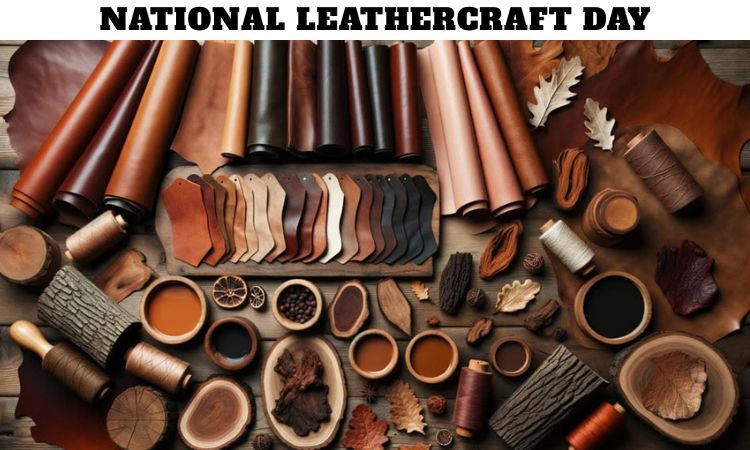
What Is National Leathercraft Day?
National Leathercraft Day is observed annually on August 15 as a day to appreciate the traditional and creative art of working with leather. Leathercraft involves transforming leather into useful, decorative, and artistic items through techniques such as cutting, stitching, carving, stamping, molding, dyeing, and tooling.
From wallets and belts to handbags, footwear, journals, accessories, and decorative artwork, leather has been used for centuries to create objects that combine durability with craftsmanship. National Leathercraft Day provides an opportunity to recognize the patience, creativity, and skill involved in this hands-on craft.
The day is especially meaningful for artisans, hobbyists, craft enthusiasts, designers, and people who appreciate handmade products. It also encourages beginners to explore leathercraft and discover the satisfaction of creating something by hand.
Why Is National Leathercraft Day Celebrated on August 15?
August 15 is recognized as National Leathercraft Day as an occasion to celebrate leatherworking and the people who continue to practice and preserve this traditional craft. Like many craft-related observances, the day provides a focused opportunity to bring attention to an activity that combines practical skills with artistic expression.
Leathercraft has evolved considerably over time. Although leather was once primarily valued for making clothing, footwear, tools, bags, and protective equipment, modern leatherworkers use it for both functional and artistic purposes.
August 15 gives enthusiasts a reason to share their work, learn new techniques, attend workshops, support independent artisans, or simply appreciate the craftsmanship behind handmade leather goods.
How Did Leathercraft Become an Important Craft?
Leathercraft has a remarkably long history. Humans have worked with animal hides for thousands of years, using them to create clothing, footwear, shelters, containers, straps, and other essential items. Early communities learned how to preserve hides and make them more flexible and durable.
As civilizations developed, leatherworking became increasingly specialized. Different cultures developed their own methods for tanning, decorating, stitching, carving, and shaping leather. Leatherworkers eventually became skilled tradespeople whose products were essential in everyday life.
During later periods, leather became particularly important for saddles, harnesses, boots, bags, belts, gloves, books, and protective equipment. Decorative leatherwork also developed alongside practical applications.
Today, leathercraft combines these historical techniques with modern tools and designs. While technology has changed many aspects of manufacturing, traditional handcrafting remains popular among people who value individuality and craftsmanship.
What Makes Leathercraft Different From Ordinary Crafting?
Leathercraft has a unique character because leather behaves differently from materials such as paper, fabric, wood, or plastic. It can be cut, punched, stitched, molded, embossed, carved, dyed, and polished to create a wide range of products.
One of the most appealing aspects of leathercraft is its durability. A well-made leather item can often last for many years and may develop a distinctive appearance through regular use. Scratches, marks, and changes in color can become part of the item’s character.
Leathercraft also requires precision. A small mistake while cutting or punching can affect the final result. Because many leather products involve permanent cuts and holes, planning is an important part of the process.
This combination of creativity, patience, and technical skill makes leathercraft a rewarding craft for beginners and experienced artisans alike.
What Are the Most Popular Leathercraft Techniques?
Leatherworkers use many different techniques depending on the type of leather and the product they are creating. Cutting is one of the most basic skills and involves carefully shaping leather pieces according to a pattern.
Stitching is another important technique. Hand stitching can create strong and attractive seams, particularly when traditional saddle stitching is used. Punching is often performed before stitching to create evenly spaced holes.
Leather carving allows artisans to create decorative patterns and images on the surface of leather. Stamping uses specialized tools to create textures, symbols, borders, and designs.
Dyeing can change the color and appearance of leather, while burnishing helps smooth and finish the edges of a leather project. Molding and shaping can also be used to give leather a particular form.
Each technique requires practice. Experienced leatherworkers often combine several techniques in a single project to create distinctive handmade pieces.
What Can You Make With Leathercraft?
One of the biggest attractions of leathercraft is the variety of products that can be created. Beginners often start with simple projects such as keychains, card holders, bracelets, bookmarks, or small pouches.
As skills improve, leatherworkers may create wallets, belts, bags, journal covers, watch straps, tool holders, cases, and footwear. More advanced artisans can work on elaborate bags, saddles, furniture components, decorative panels, and artistic sculptures.
Leathercraft can also be highly personalized. A maker can choose the leather type, color, stitching style, pattern, hardware, and decorative details. Initials, names, symbols, and custom artwork can make an item especially personal.
This flexibility allows leathercraft to appeal to people interested in both practical products and artistic creations.
Why Is Leathercraft Still Popular Today?
Despite the growth of mass manufacturing, leathercraft remains popular because handmade products offer something that standardized products often cannot: individuality.
A handmade leather wallet or bag may contain small variations that demonstrate that it was created by a person rather than produced identically on an assembly line. Many people appreciate these characteristics because they give an item personality.
Leathercraft is also an enjoyable hobby. Working with the material requires concentration and patience, which can make the process satisfying. Completing a project provides a tangible result that can be used every day.
The growing interest in handmade goods, traditional crafts, customization, and creative hobbies has helped keep leathercraft relevant in the modern world.
How Can Beginners Celebrate National Leathercraft Day?
Beginners can celebrate National Leathercraft Day by trying a simple leather project. A small keychain, bookmark, bracelet, or card holder can provide an introduction to basic cutting, punching, and stitching techniques.
Another option is to visit a local craft workshop or learn from an experienced leatherworker. Beginners can also explore educational resources that explain leather selection, tool handling, stitching, finishing, and design.
People who already practice leathercraft can use August 15 to experiment with a new technique. They might try leather carving, decorative stamping, new stitching patterns, or a more complicated project.
Sharing completed projects with friends or on social media can also help introduce others to the craft and encourage greater appreciation for handmade work.
What Tools Are Commonly Used in Leathercraft?
Leathercraft can involve a surprisingly large selection of tools, although beginners do not need all of them. A basic setup may include a sharp leather knife or cutter, cutting mat, ruler, stitching needles, thread, hole punches, and an awl.
More advanced leatherworkers may use specialized knives, stitching chisels, edge bevelers, skiving tools, mallets, stamping tools, burnishers, and various finishing products.
Good tools can make leatherwork easier, but skill and practice remain more important than having an expensive collection. Beginners can start with a small number of reliable tools and gradually add equipment as their interests develop.
Learning how each tool works and using it safely is an essential part of becoming a successful leatherworker.
How Does Leathercraft Encourage Creativity?
Leathercraft provides numerous opportunities for creative expression. Unlike many hobbies where the final design is predetermined, leatherworkers can create original patterns, experiment with textures, combine colors, and personalize their products.
A simple piece of leather can become a completely different object depending on how it is cut, shaped, stitched, and decorated. Even a basic wallet can be customized through thread color, stitching patterns, embossed designs, or initials.
Leather also develops a unique appearance over time. Some types of leather become softer and develop a natural patina as they are handled and used.
For creative people, this combination of design freedom and material character makes leathercraft an engaging and rewarding activity.
How Can People Support Leathercraft Artisans?
National Leathercraft Day is also a good opportunity to support independent craftspeople. People can purchase handmade leather products directly from artisans, visit craft fairs, explore local workshops, or recommend skilled makers to friends.
Supporting artisans helps preserve traditional skills and allows craftspeople to continue developing their work. Customers can also learn more about how an item was made and what materials and techniques were used.
Choosing handmade products can also encourage greater appreciation for craftsmanship. Instead of viewing a leather item simply as a product, buyers can recognize the time, planning, skill, and creativity involved in producing it.
What Are Some Interesting Facts About Leathercraft?
Leather has been used by humans for thousands of years for practical and protective purposes. Ancient leather products included footwear, clothing, containers, belts, and various tools.
Leatherworking has also been closely connected with other traditional trades. Saddlery, shoemaking, bookbinding, and harness making all involve specialized leatherworking skills.
Another interesting aspect of leathercraft is that different types of leather respond differently to tools and techniques. Thickness, texture, flexibility, tanning method, and finish can all influence how a material behaves.
Many leatherworkers also value the aging process. Depending on the type of leather and how it is cared for, a finished product can change in appearance over time, developing a distinctive patina.
How Can You Celebrate National Leathercraft Day With Family and Friends?
National Leathercraft Day can become a fun creative activity for groups. Families can try simple leather projects together, while friends can organize a small crafting session.
A beginner-friendly project can be selected so everyone has an opportunity to participate. Participants can personalize their creations using different patterns, colors, or decorative elements.
People who do not want to make anything can still celebrate by visiting a craft market, learning about traditional leatherworking, or purchasing a handmade item from an artisan.
The main purpose is to appreciate the craft and the creativity behind it. Even a small activity can help people understand how much skill goes into creating handmade leather goods.
Why Does National Leathercraft Day Matter?
National Leathercraft Day matters because traditional crafts can easily be overlooked in a world dominated by mass production. Leathercraft demonstrates the value of patience, manual skill, creativity, and attention to detail.
The observance also provides an opportunity for experienced artisans to share their knowledge with newcomers. Passing techniques from one generation to another helps keep traditional craftsmanship alive.
For hobbyists, August 15 can be a reminder to continue developing their skills. For beginners, it can be the day they discover a new creative interest.
Ultimately, National Leathercraft Day celebrates more than leather products. It celebrates the people, techniques, creativity, and dedication behind handmade craftsmanship.
What Is the Best Way to Observe National Leathercraft Day?
The best way to observe National Leathercraft Day is to engage with the craft in a way that feels meaningful. Someone new to leatherworking can start with a beginner project, while an experienced maker can attempt a challenging design.
People can also spend the day learning about leatherworking traditions, visiting an artisan, supporting a handmade business, or appreciating a favorite leather item.
Whatever activity is chosen, August 15 is an opportunity to slow down, value craftsmanship, and recognize the skill required to turn a simple material into something useful and beautiful.
Frequently Asked Questions (FAQs)
1. When is National Leathercraft Day celebrated?
National Leathercraft Day is celebrated annually on August 15. The day recognizes leathercraft as a traditional and creative form of craftsmanship.
2. What is National Leathercraft Day?
National Leathercraft Day is an observance dedicated to appreciating leatherworking, leather artisans, traditional techniques, handmade products, and the creativity involved in working with leather.
3. What is leathercraft?
Leathercraft is the practice of creating functional or decorative items from leather. Common techniques include cutting, stitching, carving, stamping, molding, dyeing, and finishing.
4. What can beginners make for National Leathercraft Day?
Beginners can try simple projects such as keychains, bookmarks, bracelets, card holders, small pouches, or basic wallets.
5. What tools are needed for leathercraft?
Basic leathercraft tools may include a leather cutter, ruler, cutting mat, stitching needles, thread, hole punches, and an awl. Additional tools can be added as skills develop.
6. Why is leathercraft considered a traditional craft?
Leatherworking has been practiced for thousands of years. Leather was historically used for clothing, footwear, containers, straps, protective equipment, and many other essential items.
7. Is leathercraft difficult to learn?
Leathercraft can be learned by beginners, although developing advanced skills requires practice. Starting with simple projects can help new leatherworkers understand basic techniques.
8. How can people celebrate National Leathercraft Day?
People can celebrate by making a leather project, attending a workshop, learning a new technique, supporting an artisan, visiting a craft fair, or sharing appreciation for handmade leather goods.
9. Why do people like handmade leather products?
People often appreciate handmade leather products because they can be unique, customizable, durable, and made with careful attention to detail.
10. What is the purpose of National Leathercraft Day?
The purpose of National Leathercraft Day is to celebrate leatherworking, appreciate artisans and craftsmanship, encourage creativity, and help preserve interest in traditional leatherworking skills.