

Why Is World Elder Abuse Awareness Day Celebrated on June 15?
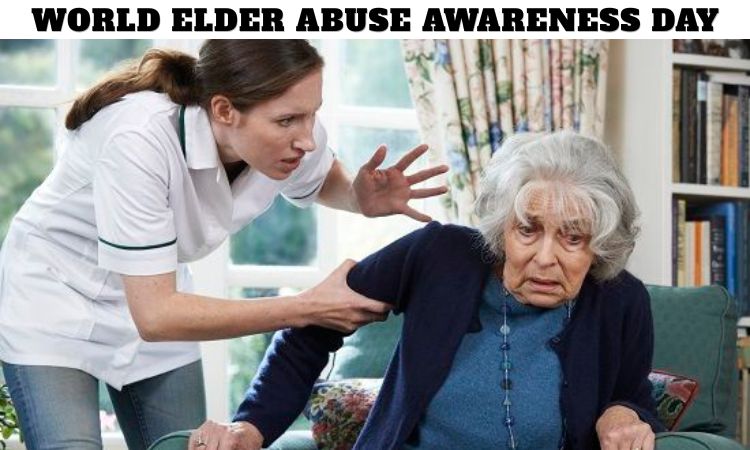
World Elder Abuse Awareness Day is observed every year on June 15 to raise awareness about the abuse, neglect, and exploitation of older adults. The day encourages individuals, families, communities, and organizations to recognize the rights and dignity of older people while promoting efforts to prevent mistreatment and discrimination.
As populations age around the world, ensuring the safety and well-being of older adults has become an increasingly important social issue. Many seniors contribute valuable experience, knowledge, and support to their families and communities. However, some face challenges that make them vulnerable to abuse or neglect.
World Elder Abuse Awareness Day highlights the need for respect, protection, and inclusion for older individuals. The observance encourages conversations about creating safer environments and ensuring that seniors are treated with dignity and compassion.
The day also serves as an opportunity to educate the public about the different forms of elder abuse and the importance of recognizing warning signs. Greater awareness can help communities identify risks and support those who may be affected.
Every June 15, people around the world come together to promote respect for older adults and advocate for their safety, rights, and well-being.
What Is World Elder Abuse Awareness Day?
World Elder Abuse Awareness Day is an international observance dedicated to increasing awareness of issues affecting older adults, particularly abuse, neglect, and exploitation. The day seeks to encourage action that protects seniors and promotes their quality of life.
The observance brings attention to the challenges that some older individuals experience within families, institutions, and communities. It encourages societies to address these concerns through education, policy development, and community support.
Organizations, healthcare professionals, advocacy groups, and government agencies often participate in awareness campaigns and educational programs on June 15. These efforts help inform the public about the importance of safeguarding older adults.
World Elder Abuse Awareness Day also promotes the idea that aging individuals deserve respect, independence, and equal opportunities. Protecting older adults is viewed as a shared responsibility that involves all members of society.
The observance continues to play an important role in fostering awareness and encouraging positive change worldwide.
What Is Elder Abuse?
Elder abuse refers to actions or failures to act that cause harm or distress to an older person. It can occur in various settings, including homes, care facilities, and community environments.
Abuse may involve physical harm, emotional mistreatment, financial exploitation, neglect, or other behaviors that negatively affect an older individual’s well-being. In some cases, abuse can occur repeatedly over time, while in others it may involve isolated incidents.
Elder abuse is often difficult to identify because many cases go unreported. Some older adults may be reluctant to speak about their experiences due to fear, dependence, embarrassment, or concerns about relationships.
Understanding elder abuse is an important step toward prevention. Awareness helps individuals recognize potential risks and encourages communities to support vulnerable older adults.
World Elder Abuse Awareness Day focuses on increasing knowledge about these issues and promoting protective measures that safeguard seniors.
Why Is Awareness About Elder Abuse Important?
Awareness is important because elder abuse can have serious consequences for the physical, emotional, social, and financial well-being of older adults. Increased public understanding helps communities identify concerns and respond more effectively.
Many cases remain hidden because signs of abuse may not be immediately obvious. Education helps people recognize situations that may require attention and support.
Awareness also encourages open conversations about aging, caregiving, and respect for older individuals. These discussions can help reduce stigma and promote healthier relationships.
When communities understand the importance of elder protection, they are better equipped to create supportive environments where seniors feel safe and valued.
World Elder Abuse Awareness Day emphasizes the role awareness plays in prevention, education, and advocacy.
How Does Elder Abuse Affect Individuals and Communities?
Elder abuse can affect many aspects of an individual’s life. It may impact physical health, emotional well-being, financial security, and overall quality of life. The effects can be particularly significant because older adults may face additional health or social challenges.
Families and communities are also affected when elder abuse occurs. Trust can be damaged, relationships may suffer, and support systems can become strained. Communities that fail to address elder abuse may struggle to provide safe and inclusive environments for aging populations.
Protecting older adults benefits society as a whole. Seniors often contribute through caregiving, volunteering, mentoring, and sharing valuable life experiences. Supporting their well-being strengthens families and communities.
World Elder Abuse Awareness Day highlights the importance of collective efforts to ensure that older adults are treated with dignity and respect.
Why Do Older Adults Deserve Special Protection?
Older adults deserve protection because they have the same rights, dignity, and value as people of all ages. In some circumstances, age-related factors such as health conditions, mobility limitations, or social isolation may increase vulnerability to mistreatment.
Providing protection does not mean limiting independence. Instead, it involves creating conditions that allow older individuals to live safely, participate fully in society, and make their own decisions whenever possible.
Respecting older adults includes recognizing their contributions, honoring their experiences, and supporting their rights. Strong protections help ensure that seniors can enjoy security and quality of life as they age.
Communities that value and protect older adults demonstrate a commitment to fairness, inclusion, and human dignity.
World Elder Abuse Awareness Day reinforces the importance of protecting vulnerable populations while promoting respect for all generations.
How Can Communities Help Prevent Elder Abuse?
Communities play a critical role in preventing elder abuse. Education and awareness programs help people understand the importance of recognizing and addressing concerns involving older adults.
Social connections can also reduce isolation and increase opportunities for support. Community centers, volunteer programs, and social activities help seniors remain engaged and connected with others.
Healthcare professionals, caregivers, family members, and neighbors all contribute to creating safe environments. By staying informed and attentive, individuals can help identify potential problems and provide assistance when needed.
Policies and services designed to support older adults are also important. Access to healthcare, social programs, legal protections, and community resources strengthens overall well-being.
World Elder Abuse Awareness Day encourages communities to work together in promoting safety, inclusion, and respect for seniors.
How Does Respect for Older Adults Benefit Society?
Respect for older adults benefits society by fostering stronger relationships across generations. Seniors possess valuable knowledge, experience, and perspectives that enrich communities and contribute to cultural continuity.
Intergenerational connections promote understanding, empathy, and cooperation. Younger individuals can learn from older generations, while seniors remain engaged and connected through meaningful interactions.
A culture of respect helps combat age-related stereotypes and discrimination. It encourages recognition of the many ways older adults continue to contribute to families, workplaces, and communities.
When societies value older people, they create environments that support dignity, participation, and inclusion for everyone.
World Elder Abuse Awareness Day reminds people that respect is one of the most effective tools for preventing mistreatment and promoting well-being.
How Can Individuals Participate in World Elder Abuse Awareness Day?
There are many ways individuals can participate in World Elder Abuse Awareness Day. Learning about elder abuse and sharing accurate information with others is one meaningful way to support awareness efforts.
People can engage in conversations about healthy aging, respect for seniors, and the importance of protecting vulnerable individuals. Educational events and community programs often provide opportunities to learn more about these topics.
Spending time with older family members, neighbors, or community members can also help strengthen social connections and reduce isolation. Simple acts of kindness and inclusion can make a significant difference.
Supporting organizations that advocate for older adults and promote senior well-being is another way to contribute. Community involvement helps create a culture of care and respect.
World Elder Abuse Awareness Day encourages everyone to take an active role in supporting older adults and promoting their rights.
Why Is Healthy Aging an Important Goal?
Healthy aging involves maintaining physical, emotional, and social well-being throughout later life. It allows individuals to remain active, engaged, and independent while enjoying meaningful relationships and experiences.
Promoting healthy aging requires supportive communities, accessible services, and opportunities for participation. Respect, inclusion, and safety are essential components of this process.
When older adults have access to supportive environments, they are better able to maintain their quality of life and continue contributing to society. Healthy aging benefits not only individuals but also families and communities.
World Elder Abuse Awareness Day aligns with broader efforts to create conditions that support dignity, wellness, and security for older populations.
The observance emphasizes that aging should be accompanied by respect, opportunity, and protection rather than vulnerability or exclusion.
What Is the Lasting Significance of World Elder Abuse Awareness Day?
The lasting significance of World Elder Abuse Awareness Day lies in its commitment to protecting the rights, dignity, and well-being of older adults. The observance reminds people that elder abuse is a serious issue that requires awareness, education, and collective action.
By encouraging conversations about aging and respect, the day helps challenge harmful stereotypes and promotes a culture of inclusion. It highlights the importance of recognizing the value and contributions of older generations.
World Elder Abuse Awareness Day also strengthens efforts to improve support systems, enhance community awareness, and encourage protective measures for vulnerable individuals. These efforts contribute to safer and more compassionate societies.
The observance serves as a powerful reminder that every person deserves to age with dignity, security, and respect. Protecting older adults is not only a moral responsibility but also an essential part of building strong and caring communities.
Every June 15, World Elder Abuse Awareness Day inspires individuals and organizations to work toward a future where all older adults can live free from abuse, neglect, and exploitation.
Frequently Asked Questions (FAQs)
1. What is World Elder Abuse Awareness Day?
World Elder Abuse Awareness Day is an international observance that raises awareness about the abuse, neglect, and exploitation of older adults.
2. When is World Elder Abuse Awareness Day observed?
It is observed annually on June 15.
3. What is the purpose of World Elder Abuse Awareness Day?
The purpose is to educate the public about elder abuse and promote the safety, dignity, and rights of older adults.
4. What is elder abuse?
Elder abuse refers to actions or neglect that cause harm or distress to an older person.
5. Why is elder abuse awareness important?
Awareness helps people recognize concerns, support older adults, and encourage prevention efforts.
6. Who can help prevent elder abuse?
Families, caregivers, healthcare professionals, communities, and organizations can all help prevent elder abuse.
7. How does elder abuse affect older adults?
It can negatively impact physical health, emotional well-being, financial security, and quality of life.
8. How can communities support older adults?
Communities can provide education, social programs, healthcare access, and inclusive environments.
9. How can individuals participate in World Elder Abuse Awareness Day?
People can learn about elder abuse, share information, support seniors, and participate in awareness activities.
10. What is the lasting significance of World Elder Abuse Awareness Day?
It promotes respect, protection, and dignity for older adults while encouraging action against abuse and neglect.