

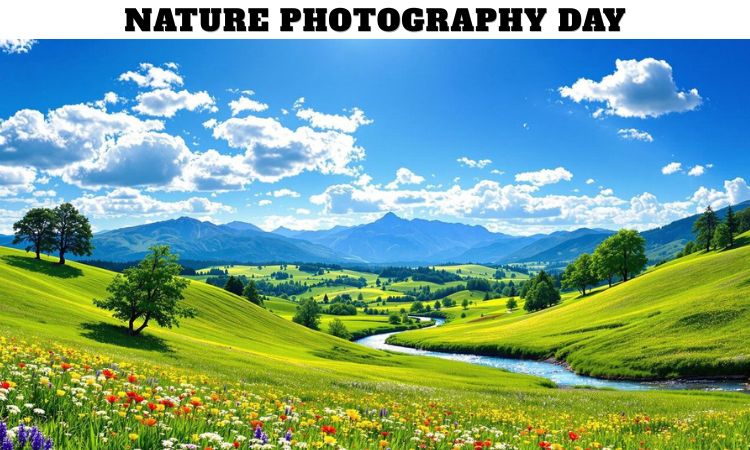
Why Is Nature Photography Day Celebrated on June 15?
Nature Photography Day is celebrated every year on June 15 to encourage people to explore the natural world through photography and develop a deeper appreciation for the environment. The observance recognizes the power of images to capture the beauty, diversity, and wonder of nature while inspiring conservation and environmental awareness.
Photography has long been a valuable tool for documenting landscapes, wildlife, plants, and natural phenomena. Through photographs, people can experience places and moments they might never encounter in person. These images often foster curiosity, admiration, and respect for the natural world.
Nature Photography Day encourages both amateur and professional photographers to spend time outdoors observing and documenting their surroundings. The observance is not only about creating beautiful images but also about developing a meaningful connection with nature.
The day serves as a reminder that photography can be a powerful form of storytelling. A single image can communicate the importance of preserving ecosystems, protecting wildlife, and appreciating natural beauty.
Every June 15, Nature Photography Day inspires people to pick up a camera, step outside, and discover the remarkable scenes that nature offers.
What Is Nature Photography?
Nature photography is a genre of photography that focuses on capturing subjects found in the natural environment. These subjects may include landscapes, wildlife, plants, forests, mountains, oceans, rivers, deserts, and weather phenomena.
The goal of nature photography is often to highlight the beauty, complexity, and uniqueness of the natural world. Photographers use their skills to document scenes that showcase the diversity of life and the wonders of the environment.
Nature photography can range from sweeping landscape images to close-up photographs of flowers, insects, and other small details. Some photographers specialize in wildlife, while others focus on natural scenery or environmental storytelling.
This form of photography combines artistic creativity with observation and patience. Capturing the perfect image often requires careful planning and a deep understanding of natural conditions.
Nature Photography Day celebrates this rewarding art form and encourages people to explore the world around them through a photographic lens.
Why Is Nature Photography Important?
Nature photography is important because it helps people connect with the environment and develop a greater appreciation for natural ecosystems. Images have the ability to inspire emotions and create awareness in ways that words alone sometimes cannot.
Photographs can educate audiences about wildlife, habitats, and environmental challenges. They provide visual evidence of the beauty that exists in nature and the importance of preserving it for future generations.
Nature photography also serves as a historical record. Images captured today may document landscapes, species, and ecosystems that change over time. These records help researchers, educators, and conservationists better understand environmental trends.
Many conservation campaigns have used photography to raise awareness about environmental issues and encourage positive action. Powerful images often motivate people to learn more and become involved in protecting natural resources.
Nature Photography Day recognizes the role photography plays in fostering environmental awareness and appreciation.
How Did Nature Photography Develop as an Art Form?
Nature photography evolved alongside advancements in photographic technology. As cameras became more portable and accessible, photographers gained greater opportunities to explore and document the natural world.
Early photographers often faced significant challenges due to bulky equipment and long exposure times. Despite these limitations, they produced remarkable images that introduced audiences to distant landscapes and wildlife.
As technology improved, photographers were able to capture more detailed and dynamic scenes. Faster cameras, better lenses, and improved film and digital sensors expanded creative possibilities.
The rise of digital photography further transformed the field by making photography more accessible to people around the world. Modern photographers can capture high-quality images and share them instantly with global audiences.
Nature Photography Day celebrates the artistic and technological progress that has made nature photography one of the most popular photographic genres today.
What Subjects Are Commonly Featured in Nature Photography?
Nature photography encompasses a wide variety of subjects. Landscapes are among the most popular, including mountains, forests, deserts, beaches, waterfalls, and national parks.
Wildlife photography focuses on animals in their natural habitats. Photographers often spend hours or even days observing wildlife behavior to capture compelling images.
Plants and flowers are also common subjects. Macro photography allows photographers to reveal intricate details that might otherwise go unnoticed.
Weather events such as storms, rainbows, sunsets, and cloud formations provide dramatic opportunities for nature photographers. Seasonal changes also inspire photographers to document the evolving beauty of the environment.
The diversity of subjects ensures that nature photography offers endless opportunities for creativity and exploration.
Nature Photography Day encourages people to appreciate all aspects of the natural world, from grand landscapes to tiny natural details.
How Does Nature Photography Encourage Environmental Awareness?
Nature photography helps increase environmental awareness by showcasing the beauty and importance of natural ecosystems. Images often inspire people to care about places and species they may never have encountered personally.
Photographs can reveal both the splendor and vulnerability of the environment. They encourage viewers to think about conservation, sustainability, and responsible stewardship of natural resources.
Many photographers use their work to highlight environmental challenges and inspire positive action. Visual storytelling can communicate complex issues in an accessible and impactful way.
Educational institutions, conservation organizations, and environmental campaigns frequently use nature photography to engage audiences and promote awareness.
Nature Photography Day recognizes the unique ability of photography to connect people with nature and inspire a commitment to environmental protection.
What Skills Are Important for Nature Photography?
Successful nature photography requires a combination of technical knowledge, creativity, patience, and observation. Photographers must understand camera settings, composition, lighting, and timing to create effective images.
Observation is especially important because nature is constantly changing. Photographers often spend significant time studying animal behavior, weather patterns, and environmental conditions.
Patience is another essential skill. Capturing wildlife or waiting for ideal lighting conditions may require hours of preparation and persistence.
Creativity allows photographers to present familiar subjects in unique ways. Composition, perspective, and framing all contribute to the visual impact of an image.
Nature Photography Day encourages photographers of all experience levels to develop these skills while exploring the outdoors.
How Has Technology Changed Nature Photography?
Technology has transformed nature photography in numerous ways. Modern cameras provide exceptional image quality, allowing photographers to capture details that were once difficult to record.
Digital photography has made experimentation more accessible by allowing photographers to review and adjust images instantly. This flexibility has accelerated learning and expanded creative possibilities.
Advances in lenses, image stabilization, and autofocus systems have improved photographers’ ability to capture moving subjects and challenging scenes.
Drones have introduced new perspectives by enabling aerial photography of landscapes and ecosystems. Specialized equipment also allows photographers to work in extreme environments and document previously inaccessible locations.
Social media and online platforms have further expanded the reach of nature photography by enabling photographers to share their work with global audiences.
Nature Photography Day highlights how technology continues to enhance opportunities for creative expression and environmental storytelling.
How Can People Celebrate Nature Photography Day?
There are many ways to celebrate Nature Photography Day. One of the simplest is to spend time outdoors photographing local parks, gardens, forests, or other natural areas.
People can challenge themselves to observe details they might normally overlook, such as flowers, insects, birds, or patterns in the landscape. Even a short walk can provide numerous photographic opportunities.
Photography enthusiasts may participate in workshops, nature walks, or community events focused on outdoor photography. Sharing photographs with friends and family can also help inspire appreciation for nature.
Some individuals use the occasion to learn new photography techniques or experiment with different styles of nature photography. Others may create personal projects that document local wildlife or seasonal changes.
Nature Photography Day encourages everyone to engage with the natural world and celebrate its beauty through photography.
Why Is Spending Time in Nature Beneficial?
Nature Photography Day also highlights the broader benefits of spending time outdoors. Many people find that observing and photographing nature promotes relaxation, mindfulness, and creativity.
Exploring natural environments encourages physical activity and provides opportunities to disconnect from daily routines. Photography adds an additional layer of engagement by encouraging close observation and appreciation of surroundings.
The process of searching for photographic subjects often leads people to discover new places and develop a deeper understanding of local ecosystems.
Nature experiences can foster a sense of wonder and inspire lifelong learning about the environment. These benefits contribute to both personal well-being and environmental awareness.
By combining creativity with outdoor exploration, nature photography offers a rewarding way to connect with the world around us.
What Is the Lasting Significance of Nature Photography Day?
The lasting significance of Nature Photography Day lies in its ability to inspire appreciation, creativity, and environmental awareness. The observance encourages people to view nature not only as a subject for photography but also as a valuable resource worthy of protection and respect.
Photography provides a powerful way to document and share the beauty of the natural world. Images captured today may inspire future generations to value and conserve the environment.
Nature Photography Day also reminds people that meaningful experiences can often be found close to home. A local park, garden, or trail may offer extraordinary photographic opportunities and moments of discovery.
The observance celebrates both the artistic and educational aspects of photography while promoting a stronger connection between people and nature.
Every June 15, Nature Photography Day encourages individuals to slow down, observe their surroundings, and capture the remarkable beauty that exists throughout the natural world.
Frequently Asked Questions (FAQs)
1. What is Nature Photography Day?
Nature Photography Day is an annual observance that celebrates photography focused on the natural world.
2. When is Nature Photography Day celebrated?
Nature Photography Day is celebrated every year on June 15.
3. What is nature photography?
Nature photography is the practice of photographing landscapes, wildlife, plants, and other natural subjects.
4. Why is Nature Photography Day important?
It promotes appreciation for nature, creativity, and environmental awareness.
5. Who can participate in Nature Photography Day?
Anyone with an interest in nature and photography can participate, regardless of experience level.
6. What subjects are commonly photographed in nature photography?
Common subjects include landscapes, wildlife, flowers, forests, mountains, oceans, and weather phenomena.
7. How does nature photography support conservation?
It raises awareness about natural environments and inspires people to value and protect them.
8. Do you need professional equipment for nature photography?
No. Many excellent nature photographs can be taken with basic cameras or smartphones.
9. How can people celebrate Nature Photography Day?
People can explore natural areas, take photographs, learn photography techniques, and share their images.
10. What is the lasting significance of Nature Photography Day?
It encourages appreciation of nature while promoting creativity and environmental stewardship.