

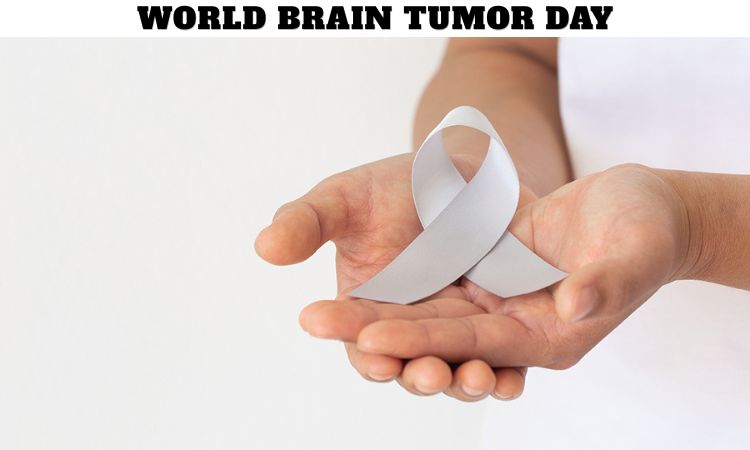
Why Is World Brain Tumor Day Observed on June 8?
World Brain Tumor Day is observed every year on June 8 to raise awareness about brain tumors, support patients and caregivers, and encourage research aimed at improving diagnosis, treatment, and quality of life. The observance serves as an important reminder of the challenges faced by individuals living with brain tumors and highlights the need for continued medical advancements and public education.
Brain tumors can affect people of all ages, backgrounds, and regions. They often have a significant impact not only on patients but also on families, friends, and healthcare providers. World Brain Tumor Day creates an opportunity to increase understanding of the disease, reduce stigma, and encourage early recognition of symptoms.
The day also emphasizes the importance of access to quality healthcare, specialized treatment, rehabilitation services, and emotional support. Through awareness campaigns, educational events, and community initiatives, organizations around the world work to provide information and advocate for better outcomes for those affected by brain tumors.
World Brain Tumor Day is ultimately about hope, resilience, and collective efforts to improve the lives of patients while advancing scientific research.
What Is a Brain Tumor?
A brain tumor is an abnormal growth of cells within or around the brain. Tumors may be benign, meaning non-cancerous, or malignant, meaning cancerous. Both types can affect brain function depending on their size, location, and rate of growth.
The brain controls many essential functions, including movement, memory, speech, vision, emotions, and bodily processes. As a result, a tumor can interfere with normal brain activity and cause a wide range of symptoms.
Brain tumors may originate in the brain itself, known as primary brain tumors, or spread to the brain from other parts of the body, known as secondary or metastatic brain tumors.
There are many different types of brain tumors, each with distinct characteristics and treatment considerations. Advances in medical imaging, neurosurgery, and oncology have improved the ability of healthcare professionals to diagnose and manage these conditions.
Understanding brain tumors is a crucial step toward improving awareness and supporting individuals who face this diagnosis.
What Is the History of World Brain Tumor Day?
World Brain Tumor Day was established to draw global attention to the challenges associated with brain tumors and to support efforts aimed at improving patient care. The observance was initiated by the German Brain Tumor Association, a nonprofit organization dedicated to helping patients and families affected by brain tumors.
The first observance took place in 2000 and has since gained international recognition. Over the years, healthcare institutions, advocacy groups, researchers, and patient organizations worldwide have joined efforts to mark the day through awareness campaigns and educational activities.
The observance was created in response to the need for greater public understanding of brain tumors and the unique challenges faced by patients. Unlike some other medical conditions, brain tumors can affect cognitive abilities, personality, mobility, and overall quality of life, making awareness particularly important.
Today, World Brain Tumor Day continues to serve as a platform for education, advocacy, and support while encouraging ongoing investment in research and innovation.
Why Is Brain Tumor Awareness Important?
Awareness plays a critical role in improving outcomes for individuals affected by brain tumors. Many symptoms associated with brain tumors can resemble those of other conditions, which sometimes leads to delays in diagnosis.
Public education helps people recognize potential warning signs and encourages timely medical evaluation. Early detection can improve treatment options and potentially enhance quality of life.
Awareness also helps reduce misconceptions about brain tumors. Some people may not understand the complexity of the condition or the challenges patients face during treatment and recovery.
Increased awareness can encourage fundraising efforts, support scientific research, and promote access to specialized healthcare services. It also fosters empathy and understanding within communities, helping patients and families feel supported rather than isolated.
World Brain Tumor Day serves as an important opportunity to share information, inspire action, and build stronger support networks for those affected.
What Are the Common Symptoms of a Brain Tumor?
Brain tumor symptoms vary depending on the tumor’s size, location, and growth rate. Some individuals experience symptoms gradually, while others may notice more sudden changes.
Persistent headaches are among the most commonly reported symptoms. These headaches may become more frequent or severe over time. However, not all headaches indicate a brain tumor.
Other symptoms can include nausea, vomiting, vision changes, hearing problems, seizures, difficulty with balance, weakness in certain parts of the body, and changes in speech.
Cognitive and behavioral changes may also occur. Some patients experience memory difficulties, confusion, personality changes, or challenges with concentration.
Because symptoms can vary widely, it is important for individuals experiencing persistent or concerning neurological symptoms to seek medical evaluation from qualified healthcare professionals.
How Are Brain Tumors Diagnosed?
Diagnosing a brain tumor typically involves a combination of medical history evaluation, neurological examinations, and imaging studies.
Doctors often begin by assessing symptoms and conducting physical and neurological tests to evaluate reflexes, coordination, vision, hearing, and cognitive function.
Advanced imaging techniques such as magnetic resonance imaging and computed tomography scans help visualize the brain and identify abnormalities. These tools provide detailed information about the size, location, and characteristics of a tumor.
In some cases, a biopsy may be necessary to determine the specific type of tumor. During a biopsy, a sample of tissue is collected and analyzed by specialists.
Accurate diagnosis is essential because treatment plans vary depending on the tumor type, grade, and individual patient circumstances.
What Treatment Options Are Available for Brain Tumors?
Treatment for brain tumors depends on several factors, including the tumor type, location, size, growth rate, and overall health of the patient.
Surgery is often one of the primary treatment options. Neurosurgeons may remove as much of the tumor as safely possible while preserving important brain functions.
Radiation therapy uses targeted radiation to destroy tumor cells or prevent further growth. This treatment is commonly used when complete surgical removal is not possible.
Chemotherapy involves medications designed to kill or slow the growth of cancer cells. It may be used alone or in combination with other treatments.
Additional therapies, including targeted treatments, immunotherapy, rehabilitation services, and supportive care, continue to evolve as medical research advances.
Each patient’s treatment journey is unique, and healthcare teams work closely with individuals and families to develop personalized care plans.
How Do Brain Tumors Affect Patients and Families?
A brain tumor diagnosis can significantly impact both patients and their loved ones. Beyond physical symptoms, individuals may face emotional, psychological, social, and financial challenges.
Patients often experience uncertainty, anxiety, and stress as they navigate treatment and recovery. Depending on the tumor’s location and effects, some individuals may face changes in memory, communication, mobility, or independence.
Family members and caregivers frequently play essential roles in providing practical assistance, emotional support, and advocacy throughout the treatment process.
Caregiving responsibilities can be demanding and may affect work, finances, and personal well-being. Support groups, counseling services, and community resources can help families manage these challenges.
World Brain Tumor Day recognizes not only patients but also the caregivers and healthcare professionals who contribute to their care and quality of life.
How Can People Participate in World Brain Tumor Day?
There are many meaningful ways to observe World Brain Tumor Day. Individuals can educate themselves about brain tumors and share accurate information with friends, family, and colleagues.
Many organizations host awareness campaigns, educational seminars, fundraising events, and community activities. Participating in these initiatives helps increase public understanding and support research efforts.
People can also show support for patients and families by volunteering, donating to relevant organizations, or simply offering encouragement and companionship.
Healthcare institutions often use the day to promote educational programs focused on early recognition, treatment advancements, and patient care.
Social awareness efforts contribute to a more informed society and help ensure that individuals affected by brain tumors receive the understanding and support they deserve.
What Is the Future of Brain Tumor Research and Care?
The future of brain tumor research holds significant promise. Scientists and medical professionals continue to explore innovative approaches that may improve diagnosis, treatment, and patient outcomes.
Advances in medical imaging allow for earlier and more precise detection of tumors. Researchers are also developing targeted therapies that focus on specific molecular characteristics of tumors, potentially improving effectiveness while reducing side effects.
Immunotherapy and precision medicine represent exciting areas of investigation. These approaches aim to tailor treatments to individual patients and enhance the body’s ability to fight disease.
Ongoing clinical trials contribute valuable knowledge that may lead to new treatment options and improved survival rates.
World Brain Tumor Day highlights the importance of continued research investment and collaboration among scientists, healthcare providers, patients, and advocacy organizations. Through these collective efforts, the future offers hope for better treatments, improved quality of life, and greater understanding of brain tumors.
Frequently Asked Questions (FAQs)
1. When is World Brain Tumor Day observed?
World Brain Tumor Day is observed annually on June 8.
2. What is the purpose of World Brain Tumor Day?
The day raises awareness about brain tumors, supports patients and caregivers, and promotes research and education.
3. What is a brain tumor?
A brain tumor is an abnormal growth of cells in or around the brain.
4. Are all brain tumors cancerous?
No. Brain tumors can be benign (non-cancerous) or malignant (cancerous).
5. What are common symptoms of a brain tumor?
Symptoms may include headaches, seizures, vision problems, balance issues, and cognitive changes.
6. How are brain tumors diagnosed?
Diagnosis often involves neurological examinations, imaging scans, and sometimes a biopsy.
7. What treatments are available for brain tumors?
Treatment options may include surgery, radiation therapy, chemotherapy, targeted therapies, and supportive care.
8. Who can develop a brain tumor?
Brain tumors can affect people of all ages, including children and adults.
9. How can I support World Brain Tumor Day?
You can participate in awareness campaigns, educational events, fundraising activities, and patient support initiatives.
10. Why is brain tumor research important?
Research helps improve diagnosis, treatment options, survival rates, and quality of life for patients.