

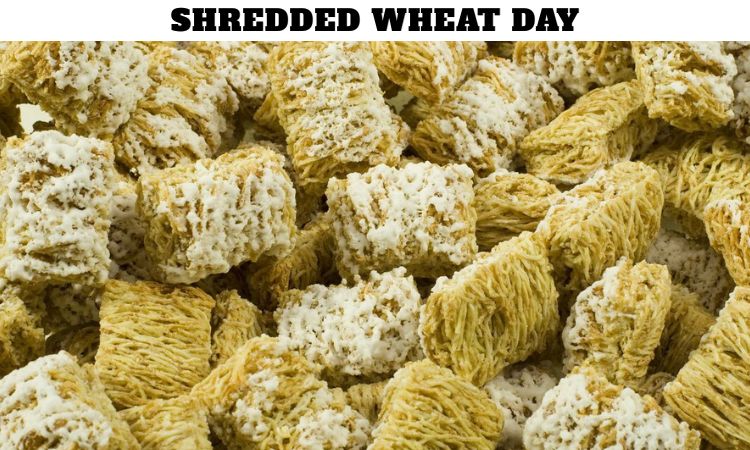
What Is Shredded Wheat Day and Why Is It Celebrated?
Shredded Wheat Day is celebrated every year on July 31 to recognize one of the world’s most iconic breakfast cereals. This special day honors shredded wheat for its long-standing place on breakfast tables and its reputation as a simple, wholesome, and nutritious food. Unlike many sugary cereals, shredded wheat has earned recognition for its minimal ingredients, high fiber content, and ability to provide lasting energy throughout the day.
Breakfast has long been considered one of the most important meals of the day, and shredded wheat has played an essential role in healthy morning routines for well over a century. Whether enjoyed with milk, yogurt, fresh fruit, or honey, shredded wheat remains a versatile cereal that appeals to children and adults alike.
Shredded Wheat Day encourages people to revisit this classic breakfast option while learning about its fascinating history, nutritional value, and continued popularity around the world. It is also an opportunity to appreciate how simple ingredients can create a satisfying and nourishing meal that supports a balanced lifestyle.
How Did Shredded Wheat Originate?
The story of shredded wheat begins in the late nineteenth century when inventor Henry D. Perky sought to create a healthier alternative to traditional bread. Inspired by the nutritional benefits of whole wheat, Perky developed a process that transformed whole wheat into long strands before shaping them into distinctive biscuit-like forms.
Perky patented the shredded wheat manufacturing process in 1893, introducing a completely new way to consume whole grains. Unlike heavily processed cereals, shredded wheat retained much of the wheat grain’s natural goodness while offering convenience and long shelf life.
Production expanded rapidly after consumers embraced the product as a healthy breakfast choice. Manufacturing facilities were established in different regions, and shredded wheat soon became a staple in households across North America and later in other countries. Over the decades, the cereal evolved into several varieties, including bite-sized versions, frosted options, and flavored editions while maintaining its original appeal.
Today, shredded wheat continues to be produced by major food companies and remains one of the most recognizable whole-grain cereals available.
Why Has Shredded Wheat Remained Popular for Generations?
Many breakfast foods have come and gone, but shredded wheat has maintained its popularity because of its simplicity and nutritional profile. Consumers increasingly seek foods made with fewer ingredients, and shredded wheat perfectly fits this preference.
Traditional shredded wheat typically contains only whole-grain wheat with little or no added sugar. This makes it attractive to people looking to reduce processed ingredients while increasing their intake of dietary fiber.
Its neutral taste also allows for endless customization. Some people enjoy shredded wheat with cold milk, while others add bananas, berries, nuts, cinnamon, raisins, or yogurt. This flexibility helps shredded wheat remain relevant despite changing food trends.
Another reason for its lasting appeal is affordability. Compared to many specialty breakfast products, shredded wheat provides a cost-effective source of whole grains that can be incorporated into daily meals without stretching the grocery budget.
What Makes Shredded Wheat a Nutritious Breakfast Choice?
Shredded wheat is widely recognized as a nutrient-dense cereal because it contains whole grains that provide essential vitamins, minerals, and fiber. Whole grains are recommended by nutrition experts because they contain all parts of the grain, including the bran, germ, and endosperm.
The fiber in shredded wheat supports healthy digestion and may help maintain regular bowel movements. Fiber also contributes to a feeling of fullness, making it easier to manage hunger between meals.
Shredded wheat contains complex carbohydrates, which release energy more gradually than refined grains. This steady energy release makes it a suitable breakfast option for students, professionals, and anyone with a busy schedule.
Depending on the specific variety, shredded wheat may also provide iron, B vitamins, magnesium, phosphorus, and other important nutrients that support overall health. Pairing shredded wheat with milk or fortified plant-based beverages further enhances its nutritional value by adding protein and calcium.
How Can You Celebrate Shredded Wheat Day?
There are many enjoyable ways to celebrate Shredded Wheat Day while appreciating this classic breakfast cereal. Start the morning with a wholesome bowl of shredded wheat topped with fresh strawberries, blueberries, sliced bananas, or seasonal fruit. Adding chopped almonds, walnuts, or seeds can increase both flavor and nutritional value.
Families can make the celebration educational by learning about the history of shredded wheat together. Exploring how cereals have evolved over time offers interesting insights into food innovation and changing dietary habits.
You can also experiment with creative recipes using shredded wheat beyond breakfast. Crushed shredded wheat works well as a crunchy topping for yogurt parfaits, smoothie bowls, baked fruit desserts, or even as a coating for baked chicken or fish. Some home bakers incorporate crushed shredded wheat into muffins, cookies, and homemade granola bars to add texture and whole-grain goodness.
Sharing healthy breakfast ideas with friends, coworkers, or family members is another meaningful way to observe the day while encouraging nutritious eating habits.
Why Are Whole Grains Important in a Healthy Diet?
Whole grains play a vital role in maintaining good health because they provide nutrients that refined grains often lose during processing. Nutrition experts recommend including whole grains regularly as part of a balanced eating pattern.
Whole grains contain dietary fiber, antioxidants, vitamins, and minerals that contribute to heart health, digestive wellness, and sustained energy. Diets rich in whole grains have been associated with a lower risk of certain chronic conditions when combined with an overall healthy lifestyle.
Because shredded wheat is typically made from whole wheat, it serves as an easy way to increase daily whole-grain consumption. Many people struggle to consume enough fiber each day, and starting the morning with a whole-grain cereal can help bridge that nutritional gap.
Whole grains also support better blood sugar management compared to many refined breakfast foods, especially when eaten alongside protein-rich foods such as milk, yogurt, or nuts.
What Are Some Delicious Ways to Eat Shredded Wheat?
One of shredded wheat’s greatest strengths is its versatility. Although it is traditionally served with milk, there are countless ways to enjoy it throughout the day.
Fresh fruit remains one of the most popular additions. Bananas, peaches, raspberries, apples, pears, and mangoes all complement the mild flavor of shredded wheat. A drizzle of honey or maple syrup adds sweetness without overwhelming the cereal.
Greek yogurt combined with crushed shredded wheat creates a creamy, high-protein breakfast or snack. Layering yogurt, berries, and shredded wheat produces an attractive parfait suitable for brunch or dessert.
Warm shredded wheat can also be prepared by adding heated milk and spices such as cinnamon or nutmeg, creating a comforting breakfast during colder months.
Creative cooks use crushed shredded wheat in baking recipes, replacing breadcrumbs in certain dishes or adding texture to casseroles and baked goods. This versatility ensures that shredded wheat remains useful far beyond the breakfast table.
What Are Some Interesting Facts About Shredded Wheat?
Shredded wheat has an impressive history filled with unique milestones. The original shredded wheat biscuit featured a distinctive woven appearance created through a specialized manufacturing process.
The cereal has been enjoyed for more than 130 years, making it one of the oldest breakfast cereals still widely available today.
Traditional shredded wheat contains remarkably few ingredients, making it one of the simplest packaged breakfast cereals on the market.
Over the years, manufacturers have introduced several varieties, including mini shredded wheat, frosted shredded wheat, and flavored versions while preserving the recognizable woven texture.
Shredded wheat has frequently appeared in advertising campaigns that emphasize healthy living, whole grains, and balanced nutrition. Its reputation as a wholesome breakfast continues to attract health-conscious consumers.
The cereal has also inspired recipes beyond breakfast, demonstrating its flexibility in modern kitchens.
Why Does Shredded Wheat Continue to Fit Modern Eating Habits?
Modern consumers increasingly value foods with recognizable ingredients, high nutritional quality, and minimal processing. Shredded wheat aligns well with these preferences because it offers a straightforward ingredient list and naturally high fiber content.
Busy lifestyles make convenience especially important, and shredded wheat requires virtually no preparation. A nutritious breakfast can be ready in minutes, making it ideal for school mornings, workdays, or travel.
As awareness of digestive health and whole grains continues to grow, many people appreciate shredded wheat as a practical way to meet dietary recommendations without relying on highly processed breakfast products.
The cereal also accommodates a variety of eating preferences. It pairs well with dairy milk, oat milk, almond milk, soy milk, and other plant-based alternatives. It can also be incorporated into vegetarian diets and many balanced meal plans.
These qualities ensure that shredded wheat remains relevant even as food trends continue to evolve.
What Is the Lasting Legacy of Shredded Wheat Day?
Shredded Wheat Day celebrates more than a breakfast cereal—it recognizes innovation, nutrition, and the enduring value of whole foods. For generations, shredded wheat has demonstrated that healthy eating does not require complicated ingredients or elaborate preparation.
Observing this day reminds people of the importance of starting each morning with nourishing foods that support long-term wellness. It also highlights how timeless recipes can remain relevant through changing generations and evolving nutritional science.
Whether you enjoy shredded wheat as part of a simple breakfast, incorporate it into creative recipes, or use the occasion to learn more about whole grains, July 31 offers the perfect opportunity to appreciate one of breakfast’s most enduring classics. By choosing wholesome foods and embracing balanced eating habits, Shredded Wheat Day serves as a reminder that good nutrition often begins with simple choices.
Frequently Asked Questions (FAQs)
1. When is Shredded Wheat Day celebrated?
Shredded Wheat Day is celebrated annually on July 31.
2. What is Shredded Wheat made from?
Traditional shredded wheat is primarily made from whole-grain wheat with very few additional ingredients.
3. Who invented Shredded Wheat?
Henry D. Perky invented shredded wheat and patented its production process in 1893.
4. Is Shredded Wheat considered healthy?
Yes. It is generally considered a healthy breakfast option because it is rich in whole grains and dietary fiber while often containing little or no added sugar.
5. Can Shredded Wheat help increase fiber intake?
Yes. Shredded wheat is naturally high in dietary fiber, which supports digestive health and promotes fullness.
6. How can I make Shredded Wheat more flavorful?
You can add fresh fruit, nuts, seeds, yogurt, cinnamon, honey, or milk to enhance its flavor and nutritional value.
7. Is Shredded Wheat suitable for vegetarians?
Yes. Most traditional shredded wheat products are suitable for vegetarians, though ingredient labels should always be checked.
8. Why is Shredded Wheat Day celebrated?
The day recognizes the history, nutritional benefits, and lasting popularity of shredded wheat as a classic breakfast cereal.
9. Can Shredded Wheat be used in recipes besides breakfast?
Yes. It can be crushed and used in baking, as a topping for yogurt, or as a crunchy coating for certain savory dishes.
10. Why are whole grains important?
Whole grains provide fiber, vitamins, minerals, and complex carbohydrates that support overall health and balanced nutrition.