
Why Is Hawaii Flag Day Celebrated on July 31?
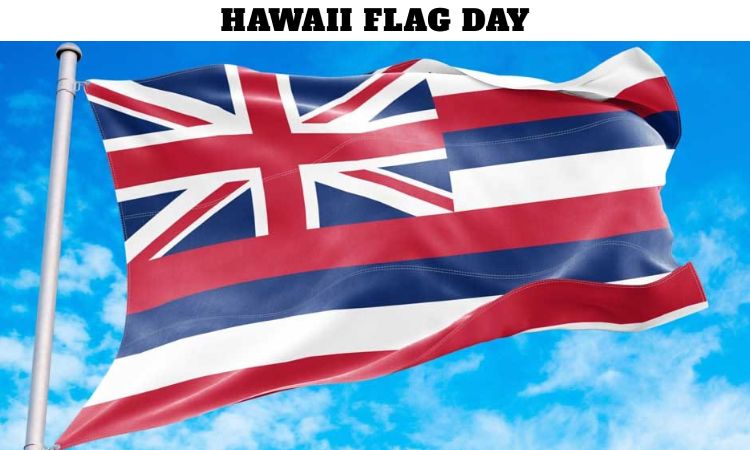
Hawaii Flag Day is observed every year on July 31 to honor the official state flag of Hawaii and its rich historical significance. The day commemorates the adoption of the Hawaiian flag, a unique symbol that reflects the islands’ fascinating cultural heritage and historical relationship with both the Hawaiian Kingdom and international powers. Unlike the flags of other U.S. states, Hawaii’s flag stands out because it features the British Union Jack in its canton while displaying eight horizontal stripes representing the major Hawaiian Islands.
The observance is an opportunity for residents, educators, historians, and visitors to learn about Hawaii’s remarkable journey from an independent kingdom to becoming the 50th state of the United States. Hawaii Flag Day also serves as a reminder of the islands’ multicultural identity, respect for tradition, and enduring pride in Hawaiian history.
Every July 31, schools, government institutions, museums, and local organizations recognize the importance of the Hawaiian flag through educational programs, flag displays, historical discussions, and community events. Although it is not a federal holiday, Hawaii Flag Day remains an important observance that encourages appreciation for one of America’s most distinctive state flags.
What Is the History Behind Hawaii Flag Day?
The history of Hawaii Flag Day dates back to the early nineteenth century when King Kamehameha I sought a flag that would represent the Kingdom of Hawaii while maintaining peaceful diplomatic relationships with powerful nations. During this period, both Great Britain and the United States had growing influence in the Pacific Ocean, and Hawaii relied heavily on trade with both countries.
According to historical accounts, King Kamehameha initially flew the British flag because of his friendly relations with British naval officers. However, this created concerns among American traders who interpreted the British flag as a sign of exclusive British influence. To avoid political tension and demonstrate neutrality, the Hawaiian Kingdom introduced a new national flag that combined elements representing both nations.
The resulting design included the British Union Jack in the upper-left corner while adding eight alternating horizontal stripes of white, red, and blue. This design symbolized Hawaii’s unique position as an independent kingdom maintaining diplomatic friendships with multiple countries.
July 31 became associated with Hawaii Flag Day because it marks the official recognition and continued celebration of this historic national symbol. Even after Hawaii became a U.S. territory in 1898 and later achieved statehood in 1959, the flag remained unchanged, preserving an important connection to the islands’ royal heritage.
What Makes the Hawaii State Flag Unique?
The Hawaii state flag is unlike any other state flag in the United States. It is the only U.S. state flag that prominently features the British Union Jack, making it instantly recognizable and historically significant.
The flag contains eight horizontal stripes arranged in alternating white, red, and blue colors. These stripes represent Hawaii’s eight major inhabited islands:
Hawaii (Big Island), Maui, Oahu, Kauai, Molokai, Lanai, Niihau, and Kahoolawe.
The Union Jack in the canton reflects Hawaii’s historical friendship with Great Britain during the reign of King Kamehameha I. Rather than representing British ownership, it symbolizes diplomatic relations and the kingdom’s efforts to maintain peaceful international alliances.
This combination of British and American influences illustrates Hawaii’s distinctive political history, making the flag one of the most historically meaningful state flags in the nation.
How Did the Hawaiian Kingdom Influence the Flag’s Design?
The Hawaiian Kingdom played a central role in shaping the flag’s design. During the late eighteenth and early nineteenth centuries, Hawaii was becoming an important hub for trade, whaling, and naval travel across the Pacific Ocean.
King Kamehameha I understood that maintaining positive relationships with major world powers was essential for protecting Hawaiian independence. Instead of choosing one nation’s flag over another, he approved a design that reflected Hawaii’s diplomatic neutrality.
The flag demonstrated that Hawaii welcomed trade and friendship with multiple countries while preserving its own sovereignty. It became the official flag of the Hawaiian Kingdom and continued to fly throughout the reigns of successive monarchs.
Even after political changes led to the overthrow of the Hawaiian Kingdom in 1893, followed by annexation by the United States, the flag remained an important symbol of Hawaiian identity. Its continued use today highlights respect for the islands’ historical legacy.
Why Does Hawaii Keep the Same Flag Today?
One of the most interesting aspects of Hawaii’s history is that its flag has remained virtually unchanged for more than a century. While many governments redesign national or state symbols following political transitions, Hawaii chose to preserve its historic flag.
When Hawaii became a U.S. territory in 1898, officials retained the existing flag because it had already become widely recognized throughout the islands. Later, when Hawaii joined the United States as the 50th state in 1959, the flag once again remained unchanged.
Keeping the original design honors the cultural traditions, historical experiences, and royal heritage of Hawaii. It serves as a bridge connecting modern Hawaii with its independent kingdom, reminding future generations of the islands’ unique journey through history.
The flag has become a powerful symbol not only of state pride but also of Hawaiian resilience, identity, and respect for cultural traditions.
How Is Hawaii Flag Day Celebrated?
Although Hawaii Flag Day is not a public holiday with widespread closures, it is celebrated in meaningful ways throughout the islands.
Government buildings proudly display the Hawaiian flag alongside the United States flag. Schools often incorporate lessons about Hawaiian history, the monarchy, and the symbolism of the state flag into classroom activities.
Museums may organize exhibits highlighting the Hawaiian Kingdom, early diplomatic relations, and the evolution of the flag. Historical societies frequently host lectures discussing King Kamehameha I and the importance of preserving Hawaiian heritage.
Many families use the occasion to teach younger generations about Hawaiian culture, traditions, and history. Community organizations sometimes hold flag ceremonies, educational presentations, and cultural performances celebrating the islands’ unique identity.
Tourists visiting Hawaii during late July may also encounter exhibits, historical landmarks, and cultural programs that explain the significance of the Hawaiian flag.
Why Is Hawaii Flag Day Important for Hawaiian Culture?
Hawaii Flag Day represents much more than the celebration of a piece of fabric. The flag symbolizes centuries of Hawaiian history, diplomacy, cultural preservation, and national identity.
For many Native Hawaiians, the flag reflects the legacy of the Hawaiian Kingdom and serves as a reminder of the islands’ sovereign past. For other residents, it represents the multicultural society that defines modern Hawaii.
The observance encourages conversations about Hawaiian history that may not always receive national attention. It helps preserve knowledge of the monarchy, the constitutional government, international diplomacy, and the cultural achievements of the Hawaiian people.
Educational initiatives associated with Hawaii Flag Day also promote civic pride while encouraging respect for Hawaii’s diverse communities and traditions.
What Are Some Interesting Facts About the Hawaii Flag?
The Hawaii flag is filled with fascinating historical details that make it one of the most unique state flags in America.
It is the only U.S. state flag that includes the British Union Jack. The flag originally served as the national flag of the independent Kingdom of Hawaii before statehood. The eight horizontal stripes symbolize Hawaii’s eight principal islands rather than the number of counties or regions.
The flag has remained largely unchanged despite Hawaii transitioning from an independent kingdom to a republic, a U.S. territory, and finally the 50th U.S. state.
Because of its royal origins, the Hawaiian flag is respected not only as a government symbol but also as an important cultural artifact representing centuries of island history.
Its distinctive appearance often attracts historians, educators, and flag enthusiasts interested in studying world vexillology, the scholarly study of flags.
How Can You Celebrate Hawaii Flag Day?
Anyone can celebrate Hawaii Flag Day by learning about the islands’ remarkable history and sharing that knowledge with others.
Reading books about the Hawaiian Kingdom, King Kamehameha I, and Hawaiian culture offers valuable insight into the origins of the flag. Visiting museums or historical sites in Hawaii provides firsthand opportunities to explore the state’s heritage.
Teachers can organize classroom discussions about Hawaiian history, geography, and state symbols. Families may display the Hawaiian flag respectfully while discussing its meaning and historical importance.
Watching documentaries about Hawaii’s monarchy or attending cultural festivals can also deepen appreciation for the islands’ traditions.
Those living outside Hawaii can celebrate by learning about Hawaiian customs, supporting Native Hawaiian cultural organizations, or exploring Hawaiian music, language, and history through educational resources.
What Can We Learn from Hawaii Flag Day?
Hawaii Flag Day reminds people that flags often represent much more than political boundaries. They preserve stories of diplomacy, leadership, resilience, and cultural identity across generations.
The Hawaiian flag demonstrates how nations can embrace international friendships while maintaining their own unique traditions. It also illustrates the importance of preserving historical symbols that connect modern communities with their past.
By celebrating Hawaii Flag Day each July 31, people recognize the enduring legacy of the Hawaiian Kingdom, the cultural richness of the islands, and the value of respecting history in an increasingly interconnected world.
The observance encourages education, cultural appreciation, and civic pride while honoring one of the world’s most recognizable and historically significant flags. Whether someone is a lifelong resident of Hawaii or simply fascinated by its history, Hawaii Flag Day offers an opportunity to reflect on the remarkable story behind a flag that continues to unite people through heritage, identity, and tradition.
Frequently Asked Questions (FAQs)
1. When is Hawaii Flag Day celebrated?
Hawaii Flag Day is celebrated every year on July 31.
2. Why is Hawaii Flag Day important?
It honors the history, symbolism, and cultural significance of Hawaii’s unique state flag.
3. What makes the Hawaii flag different from other U.S. state flags?
It is the only U.S. state flag that features the British Union Jack.
4. What do the eight stripes on the Hawaii flag represent?
They represent the eight major Hawaiian Islands.
5. Who created the Hawaii flag?
The flag was developed during the reign of King Kamehameha I in the early nineteenth century.
6. Was the Hawaii flag originally a state flag?
No. It originally served as the national flag of the independent Kingdom of Hawaii.
7. Did Hawaii change its flag after becoming a U.S. state?
No. Hawaii retained the same historic flag after achieving statehood in 1959.
8. Is Hawaii Flag Day a public holiday?
No. It is an observance rather than an official public holiday.
9. How do people celebrate Hawaii Flag Day?
People celebrate through flag displays, educational programs, museum visits, cultural events, and history lessons.
10. Why does the Hawaii flag include the British Union Jack?
It reflects the historical friendship between the Hawaiian Kingdom and Great Britain during King Kamehameha I’s reign.