

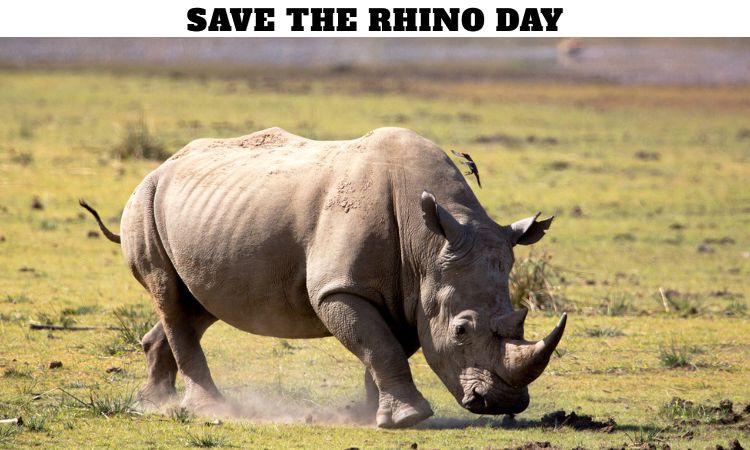
Save The Rhino Day, observed every year on May 1, is a global call to action dedicated to the protection and survival of one of Earth’s most extraordinary and endangered animals—the rhino. Across continents, we unite to raise awareness about the threats rhinos face, including poaching, habitat destruction, illegal wildlife trade, and climate-related pressures. This day is not merely symbolic; it is a vital reminder that rhinos are fighting for survival and that collective human effort remains essential to preserving these magnificent creatures for future generations.
Rhinos have roamed the Earth for millions of years, surviving natural changes that wiped out countless species. Yet within just a few centuries, human activity has pushed them to the brink of extinction. Save The Rhino Day strengthens global conservation efforts, educates communities, supports wildlife organizations, and inspires stronger laws against poaching.
What Is the History Behind Save The Rhino Day?
Save The Rhino Day was established to spotlight the urgent conservation needs of rhino species worldwide. Although rhino conservation has been active for decades, this observance gained traction through the work of wildlife organizations committed to preserving rhino populations in Africa and Asia.
Historically, rhinos once thrived across vast regions of Europe, Asia, and Africa. Today, only five species remain:
- White Rhino
- Black Rhino
- Indian Rhino
- Javan Rhino
- Sumatran Rhino
Each species faces different challenges, but all share one devastating common threat—human exploitation. Rhino horns, falsely believed in some cultures to possess medicinal properties, have fueled a deadly black market. This demand has caused catastrophic declines in rhino populations, particularly in the 20th and 21st centuries.
Save The Rhino Day emerged as an international platform to counter this crisis through awareness, fundraising, and education.
Why Are Rhinos So Important to Our Ecosystem?
Rhinos are not just iconic animals; they are ecosystem engineers. Their presence directly influences biodiversity and habitat balance.
When we protect rhinos, we protect entire ecosystems because:
- Rhinos shape landscapes by grazing and browsing vegetation
- They create pathways used by smaller animals
- Their dung disperses seeds and enriches the soil
- They help maintain grassland health
- Their existence supports eco-tourism economies
Without rhinos, certain habitats can become overgrown or imbalanced, negatively affecting other wildlife species. Saving rhinos means preserving biodiversity on a broader scale.
What Threats Are Driving Rhinos Toward Extinction?
The survival of rhinos remains under severe threat due to multiple human-driven factors:
Poaching for Rhino Horn
Poaching remains the greatest danger. Rhino horns are illegally sold for use in traditional medicine, ornaments, and status symbols despite lacking scientific medicinal value.
Habitat Loss
Urbanization, agriculture, and infrastructure projects continue to destroy natural rhino habitats.
Political Instability
In some regions, conservation suffers due to weak governance, making anti-poaching enforcement difficult.
Climate Change
Changing weather patterns impact food sources and water availability.
Low Reproduction Rates
Rhinos reproduce slowly, making population recovery difficult even with conservation success.
How Many Rhinos Are Left in the World Today?
While conservation has achieved progress in certain areas, rhino populations remain fragile:
- White Rhino: Approximately 15,000+
- Black Rhino: Around 6,000+
- Indian Rhino: Roughly 4,000+
- Sumatran Rhino: Fewer than 80
- Javan Rhino: Around 70
These figures reveal a critical truth: some species remain dangerously close to extinction. Every rhino matters.
How Does Save The Rhino Day Make a Difference?
Save The Rhino Day transforms awareness into practical conservation action by:
- Funding anti-poaching patrols
- Supporting wildlife sanctuaries
- Promoting habitat restoration
- Educating local communities
- Encouraging sustainable tourism
- Strengthening international wildlife laws
Global campaigns on May 1 also encourage schools, zoos, NGOs, and governments to engage the public in conservation discussions.
What Conservation Success Stories Give Us Hope?
Despite the challenges, rhino conservation has produced inspiring victories.
Indian Rhino Recovery
Through strict conservation policies in India and Nepal, greater one-horned rhino populations have rebounded significantly.
Black Rhino Population Growth
Although still critically endangered, black rhino numbers have increased due to dedicated breeding and anti-poaching measures.
Protected Reserves
National parks and reserves in Africa and Asia continue to serve as crucial rhino strongholds.
These successes prove that strategic conservation works when governments, organizations, and communities collaborate.
How Can We Personally Help Save Rhinos?
Every individual can contribute meaningfully to rhino conservation:
- Donate to trusted wildlife organizations
- Avoid products linked to wildlife trafficking
- Raise awareness on social media
- Support eco-tourism initiatives
- Educate children about endangered species
- Advocate for stricter anti-poaching laws
- Participate in Save The Rhino Day campaigns
Protecting rhinos is not limited to scientists or governments; global citizens play a critical role.
What Role Do Wildlife Organizations Play in Rhino Survival?
Conservation organizations remain the backbone of rhino survival efforts. Their work includes:
- Monitoring rhino populations
- Veterinary intervention
- Community partnerships
- Intelligence-led anti-poaching operations
- Captive breeding programs
- International advocacy
Groups such as Save the Rhino International and WWF continue to push forward despite enormous challenges.
Why Must We Act Now for Rhino Conservation?
Time is not on the rhino’s side. Species such as the Javan and Sumatran rhinos face immediate extinction risks if action slows. Delayed intervention can mean irreversible biodiversity loss.
By treating Save The Rhino Day as a global movement rather than a one-day event, we create long-term momentum for:
- Species recovery
- Habitat protection
- Cultural change
- Sustainable ecosystems
Rhinos symbolize resilience, strength, and natural heritage. Their survival reflects humanity’s willingness to protect vulnerable life on Earth.
What Is the Future of Rhinos If We Continue Conservation Efforts?
With stronger policies, advanced technology, global education, and financial support, rhino populations can stabilize and even recover. Drones, DNA tracking, horn devaluation campaigns, and community conservation models are shaping a more hopeful future.
The fate of rhinos depends on our sustained action. Save The Rhino Day reminds us that extinction is preventable when humanity chooses protection over exploitation.
Frequently Asked Questions (FAQs)
1. When is Save The Rhino Day celebrated?
Save The Rhino Day is observed annually on May 1.
2. Why are rhinos endangered?
Rhinos are endangered mainly due to poaching, habitat loss, and illegal wildlife trade.
3. How many rhino species exist today?
There are five surviving rhino species.
4. Which rhino species is the rarest?
The Javan and Sumatran rhinos are among the rarest.
5. What is rhino horn used for illegally?
Rhino horn is sold for traditional medicine myths, carvings, and status symbols.
6. Can rhino populations recover?
Yes, with proper conservation, protection, and breeding programs.
7. Where do most rhinos live?
Rhinos mainly live in Africa and parts of Asia.
8. How can children help save rhinos?
Children can learn, spread awareness, and support conservation campaigns.
9. Are rhinos aggressive animals?
Rhinos can be defensive but are generally peaceful unless threatened.
10. Why is Save The Rhino Day important?
It raises global awareness and supports urgent conservation efforts.