

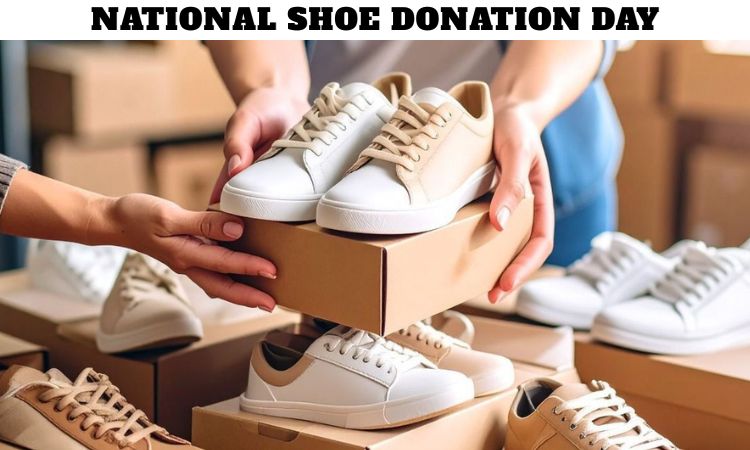
What Is National Shoe Donation Day?
National Shoe Donation Day is observed on August 15 as a day dedicated to encouraging people to donate shoes they no longer need to individuals and communities who may not have adequate footwear. Shoes are often overlooked when people think about charitable donations, yet a good pair can provide comfort, protection, confidence, and greater freedom of movement.
For many people, footwear is more than a fashion choice. Shoes protect feet from rough surfaces, extreme temperatures, rain, dirt, and injuries. Children need properly fitting shoes to attend school comfortably, while adults may depend on durable footwear for work and everyday responsibilities.
National Shoe Donation Day encourages people to look inside their closets and consider whether shoes that are sitting unused could be useful to someone else. Instead of allowing wearable shoes to gather dust or eventually end up in the trash, people can give them a second life through responsible donation.
The day also promotes generosity and reminds communities that even a simple contribution can have a meaningful impact.
Why Is National Shoe Donation Day Celebrated?
National Shoe Donation Day highlights the importance of sharing resources with people who may be experiencing financial difficulties or limited access to essential items. While clothing drives and food donations are common charitable activities, footwear deserves attention because it is an everyday necessity.
A person may have clothing but still struggle to afford suitable shoes. This can become especially difficult for children who quickly outgrow their footwear. Adults may also need sturdy shoes for employment, walking, school, or other daily activities.
The day provides an opportunity to turn an ordinary household item into something valuable for another person. A pair of shoes that no longer fits one family member may be exactly what another person needs.
It also encourages people to think about responsible consumption. Donating usable products can reduce unnecessary waste while extending the useful life of items that still have plenty of wear left in them.
How Can Donated Shoes Help People in Need?
Donated shoes can provide practical benefits in several ways. First, they offer basic protection. Walking without appropriate footwear can expose feet to sharp objects, hot pavement, cold weather, moisture, and other environmental hazards.
Shoes can also support education. For children, having suitable footwear can make going to school more comfortable and practical. In some communities, the lack of basic clothing or footwear can become a barrier to regular attendance.
For adults, shoes can support employment. Workers in construction, hospitality, retail, agriculture, delivery services, and other industries may spend long hours standing or walking. Durable footwear can therefore be an important everyday necessity.
There is also a personal and emotional benefit. Receiving a clean, good-quality pair of shoes can help someone feel cared for and respected. Charity is not simply about giving away unwanted possessions; it can also communicate compassion and community support.
What Types of Shoes Can You Donate?
The types of shoes accepted depend on the organization receiving the donation, but many charitable programs accept a wide range of clean and wearable footwear.
Common examples include sneakers, school shoes, sandals, casual shoes, boots, work shoes, athletic footwear, and children’s shoes. Some organizations may also accept formal shoes or specialized footwear if there is demand.
Before donating, inspect the shoes carefully. Ask yourself whether another person could realistically wear them. Shoes with excessive holes, broken soles, severe damage, mold, or other serious problems may not be suitable for donation.
A good rule is simple: donate shoes that are still useful rather than treating donation as a way to dispose of damaged items.
How Should You Prepare Shoes Before Donating Them?
Preparing shoes properly can make the donation process easier and more respectful for the recipient.
Start by cleaning the shoes. Remove dirt, mud, and obvious stains where possible. Allow wet shoes to dry completely before donating them. Check the soles, laces, straps, and other components to make sure they are secure.
If the shoes have removable insoles, check that they are reasonably clean. Tie or secure pairs together so that one shoe does not become separated from its matching pair.
You can place the shoes in a reusable bag or appropriate packaging if the donation organization recommends it. Avoid donating footwear that is severely damaged simply because you do not want to throw it away.
The goal is to make the donated shoes ready for someone else to use.
Where Can You Donate Shoes on National Shoe Donation Day?
There are several potential places where people can donate shoes. Local charities, community organizations, shelters, schools, churches, nonprofit groups, clothing drives, and donation centers may accept footwear.
Some organizations conduct special donation campaigns around particular dates, while others accept shoes throughout the year.
Before taking your shoes somewhere, contact the organization or check its current donation requirements. Different groups have different policies regarding shoe condition, sizes, types, and packaging.
You can also look for community donation drives organized specifically for children, families, homeless individuals, disaster relief efforts, or low-income communities. Choosing a program that matches the type of footwear you have can increase the likelihood that your donation will reach someone who needs it.
How Can Families Celebrate National Shoe Donation Day?
Families can turn National Shoe Donation Day into a simple community activity. Parents can encourage children to look through their shoes and identify pairs they have outgrown but that are still in good condition.
This can become an opportunity to teach children about generosity, sustainability, and responsible consumption. Rather than simply throwing away items they no longer use, children can learn that those items may still have value to someone else.
Families can clean the shoes together, pair them correctly, and prepare them for donation. Parents can also explain why donating useful belongings is different from getting rid of damaged items.
A family donation does not need to be large. Even one or two pairs of wearable shoes can contribute to a larger charitable effort.
Can Businesses and Schools Participate in National Shoe Donation Day?
Absolutely. Businesses and schools can organize shoe donation campaigns to involve larger groups of people.
A school could establish a collection point where students and families bring clean, wearable shoes. The school can then work with a local charity or nonprofit organization to distribute the collected footwear.
Businesses can organize employee donation drives or place collection boxes in suitable areas. Retailers may also choose to support charitable footwear programs as part of their community initiatives.
These activities can create a sense of shared purpose. Instead of one person making a small donation independently, an entire organization can work together to collect dozens or even hundreds of pairs.
However, organizations should always establish clear guidelines so that people understand what types of shoes are acceptable.
What Should You Consider Before Donating Shoes?
The most important consideration is condition. A donation should be useful to the person receiving it.
Check whether the shoes are clean, wearable, and reasonably comfortable. Consider whether the soles still provide adequate support and whether the fasteners, laces, and straps work properly.
Size is another consideration. Children’s footwear can be especially useful because children frequently need new sizes as they grow. However, adult footwear is also important and should not be overlooked.
It is also helpful to think about seasonal needs. Sandals may be more appropriate in warm climates, while waterproof or closed footwear can be useful during rainy or colder seasons.
Finally, always check the requirements of the organization before donating. A little preparation can help ensure that your contribution is genuinely useful.
How Does Shoe Donation Support Sustainability?
Shoe donation can contribute to a more responsible approach to consumption by extending the life of usable products.
When wearable shoes are passed to another person, they may remain useful instead of immediately becoming waste. This does not eliminate the environmental impact associated with footwear production, but extending product life can help reduce unnecessary disposal.
Donation also encourages people to reconsider the habit of buying, using, and quickly discarding products. When consumers understand that unwanted items can have value beyond their own household, they may become more conscious about what they purchase and what they throw away.
Responsible donation works best when the donated item is genuinely usable. Damaged footwear that cannot reasonably be worn should be handled through appropriate recycling or waste-management options where available.
What Are Some Simple Ways to Observe National Shoe Donation Day?
Observing National Shoe Donation Day does not require a complicated event. You can begin by checking your own closet.
Look for shoes that you have not worn for a long time but that remain in good condition. Clean them, pair them, and identify a suitable local organization.
You could also encourage friends, relatives, neighbors, or coworkers to participate. A small collection campaign can quickly turn several individual donations into a meaningful community contribution.
Another option is to spread awareness through social media or community groups. You can explain the purpose of the day and encourage people to donate wearable footwear rather than leaving unused shoes in their closets.
The most important part of the day is not the size of the donation. It is the willingness to recognize that something you no longer need may still be valuable to someone else.
Why Does a Simple Pair of Shoes Matter?
A pair of shoes may seem like an ordinary household possession, but its importance can become much clearer when someone does not have adequate footwear.
Shoes can make walking safer and more comfortable. They can help children participate in school activities, allow adults to travel to work, and provide protection during everyday activities.
Donation also creates a direct connection between people. Someone who has extra resources can share them with someone who has fewer.
National Shoe Donation Day therefore represents a simple idea: useful items should not automatically become waste simply because one person no longer needs them.
By donating responsibly, people can combine generosity with sustainability and make an everyday product useful again.
How Can You Make Shoe Donation a Year-Round Habit?
Although National Shoe Donation Day is observed on August 15, helping others does not have to happen only once a year.
One practical approach is to review your footwear whenever you purchase a new pair. If an older pair is still wearable but no longer needed, consider donating it instead of leaving it unused.
Families can maintain a small donation bag or box for clean, useful clothing and footwear. Once enough items have been collected, they can be delivered to an appropriate charity.
You can also support organizations that distribute footwear regularly. Volunteering, organizing donation drives, or encouraging others to donate can extend the impact beyond a single day.
National Shoe Donation Day can therefore serve as an annual reminder to develop a more generous and responsible habit throughout the year.
What Is the Main Message of National Shoe Donation Day?
The main message of National Shoe Donation Day is that small acts of generosity can make a practical difference.
A pair of shoes sitting unused in a closet may have little value to its current owner, but it could be extremely useful to another person. Donating responsibly gives that item another opportunity to serve a purpose.
August 15 is a good time to look beyond our own needs and consider the needs of others. Whether you donate one pair, organize a community collection, or simply encourage someone else to participate, the spirit of the day is about sharing useful resources.
National Shoe Donation Day ultimately reminds us that generosity does not always require a major financial contribution. Sometimes, helping someone begins with something as simple as giving away a pair of shoes that you no longer need.
Frequently Asked Questions (FAQs)
1. When is National Shoe Donation Day celebrated?
National Shoe Donation Day is observed on August 15. The day encourages people to donate clean and wearable shoes to individuals, charities, and communities that may need them.
2. What is the purpose of National Shoe Donation Day?
The purpose is to encourage footwear donations and raise awareness about the importance of access to usable shoes while promoting generosity and responsible reuse.
3. What shoes can I donate?
You can generally donate clean and wearable sneakers, sandals, boots, school shoes, casual shoes, work shoes, and children’s footwear. Requirements vary by organization.
4. Can I donate old shoes?
Yes, provided the shoes are still in good, wearable condition. Shoes that are severely damaged, moldy, or unsafe should generally not be donated.
5. Should donated shoes be cleaned first?
Yes. Cleaning shoes before donating them is a considerate practice and makes them more suitable for another person to use.
6. Can children participate in National Shoe Donation Day?
Yes. Children can participate by identifying shoes they have outgrown, helping clean them, and learning about generosity and responsible reuse.
7. Where can I donate shoes?
Possible donation locations include local charities, nonprofit organizations, shelters, community centers, schools, clothing drives, and donation centers. Always check an organization’s current requirements first.
8. Can businesses organize shoe donation drives?
Yes. Businesses can encourage employees and customers to donate footwear and can partner with an appropriate charitable organization for collection and distribution.
9. Does donating shoes help the environment?
Donating usable shoes can extend their useful life and may help reduce unnecessary disposal. It is most beneficial when the footwear is genuinely wearable and goes to someone who can use it.
10. How can I celebrate National Shoe Donation Day?
You can celebrate by donating one or more pairs of wearable shoes, organizing a collection drive, encouraging friends and family to participate, or supporting an organization that provides footwear to people in need.