

What Is National Hairball Awareness Day, and Why Is It Observed on April 24?
National Hairball Awareness Day, observed annually on April 24, is dedicated to educating pet owners about the causes, prevention, and treatment of hairballs in cats. This awareness day highlights a common yet often overlooked health issue that affects feline companions worldwide.
We observe this day to encourage responsible pet care, improve awareness about digestive health in cats, and promote preventive measures that enhance the overall well-being of pets. It is a valuable opportunity for pet owners better to understand their cats’ grooming habits and health needs.
What Are Hairballs and How Do They Form in Cats?
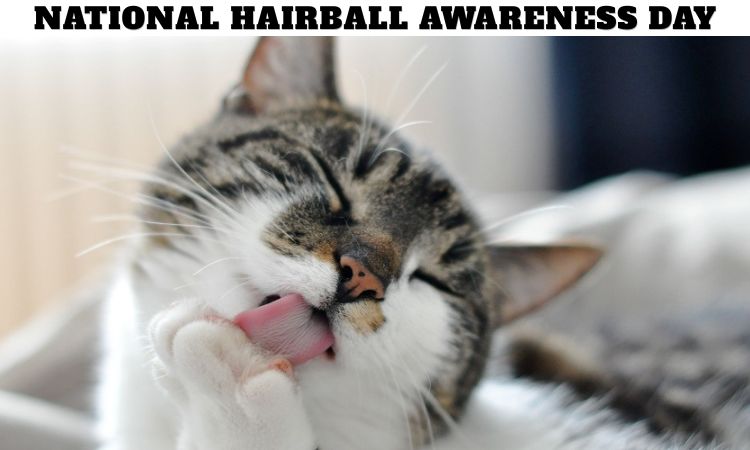
Hairballs, scientifically known as trichobezoars, are clumps of hair that accumulate in a cat’s digestive system. Cats naturally groom themselves by licking their fur, and in the process, they ingest loose hair.
Most of this hair passes through the digestive tract without issue. However, some hair remains in the stomach and forms into a compact mass. When the buildup becomes significant, the cat expels it by vomiting.
We recognize that hairballs are a natural byproduct of grooming, but frequent occurrences may indicate underlying health concerns.
Why Are Hairballs Common in Cats?
Hairballs are particularly common in cats due to their meticulous grooming behavior. Factors that contribute to hairball formation include:
- Frequent self-grooming habits
- Long or dense fur
- Seasonal shedding periods
- Digestive issues or slow intestinal movement
We observe that certain breeds, especially long-haired cats, are more prone to hairballs due to increased fur ingestion.
What Are the Symptoms of Hairballs in Cats?
Recognizing the symptoms of hairballs is essential for timely intervention. Common signs include:
- Coughing or gagging sounds
- Vomiting hairball-shaped masses
- Loss of appetite
- Lethargy or discomfort
In some cases, hairballs may cause blockages in the digestive tract, leading to more serious symptoms such as constipation or persistent vomiting. We emphasize the importance of monitoring these signs closely.
How Can Hairballs Affect a Cat’s Health?
While occasional hairballs are normal, frequent or severe cases can impact a cat’s health. Potential risks include:
- Digestive blockages requiring medical attention
- Dehydration from repeated vomiting
- Nutritional deficiencies due to reduced appetite
We stress that persistent hairball issues should not be ignored, as they may indicate underlying health problems.
How Can Pet Owners Prevent Hairballs in Cats?
Preventing hairballs involves a combination of grooming, diet, and lifestyle adjustments. Effective strategies include:
- Regular brushing to remove loose fur
- Providing a balanced diet rich in fiber
- Ensuring adequate hydration
- Encouraging physical activity to support digestion
We recommend establishing a consistent grooming routine to minimize the amount of hair ingested during self-cleaning.
What Role Does Diet Play in Managing Hairballs?
Diet plays a crucial role in reducing hairball formation. Specialized cat foods are designed to:
- Promote healthy digestion
- Facilitate the passage of hair through the digestive tract
- Reduce shedding through improved coat health
We observe that high-fiber diets and nutrient-rich foods can significantly decrease the frequency of hairballs.
How Is National Hairball Awareness Day Celebrated?
National Hairball Awareness Day is observed through various educational and community activities, including:
- Veterinary clinics offering consultations and advice
- Pet care workshops and awareness campaigns
- Social media initiatives promoting pet health tips
- Discounts on grooming and pet care products
We encourage pet owners to use this day as an opportunity to learn more about feline health and improve their pet care practices.
When Should You Consult a Veterinarian About Hairballs?
While occasional hairballs are normal, certain situations require veterinary attention. We recommend consulting a veterinarian if:
- Hairballs occur frequently or excessively
- The cat shows signs of pain or distress
- There is persistent vomiting without hairball expulsion
- Changes in appetite or behavior are observed
Early intervention can prevent complications and ensure the cat’s well-being.
How Can You Make National Hairball Awareness Day Meaningful?
Making this day meaningful involves proactive steps to improve your pet’s health:
- Scheduling a grooming session
- Reviewing your cat’s diet and nutrition
- Learning about preventive care techniques
- Sharing awareness with other pet owners
We believe that informed pet care leads to healthier and happier animals.
Frequently Asked Questions (FAQs)
1. What is National Hairball Awareness Day?
It is a day dedicated to educating pet owners about hairballs and feline health.
2. What causes hairballs in cats?
Hairballs are caused by cats ingesting loose fur أثناء grooming.
3. Are hairballs normal for cats?
Yes, occasional hairballs are normal, but frequent ones may indicate issues.
4. How can I prevent hairballs?
Regular grooming, proper diet, and hydration can help prevent hairballs.
5. What are the symptoms of hairballs?
Symptoms include coughing, gagging, and vomiting, and hair masses.
6. Can hairballs be dangerous?
Yes, severe cases can cause digestive blockages.
7. What type of diet helps reduce hairballs?
High-fiber and specially formulated cat foods help reduce hairballs.
8. When should I see a veterinarian?
If hairballs are frequent or accompanied by other symptoms.
9. Do all cats get hairballs?
Most cats experience them, especially long-haired breeds.
10. How can I celebrate this day?
By improving pet care routines and spreading awareness.