

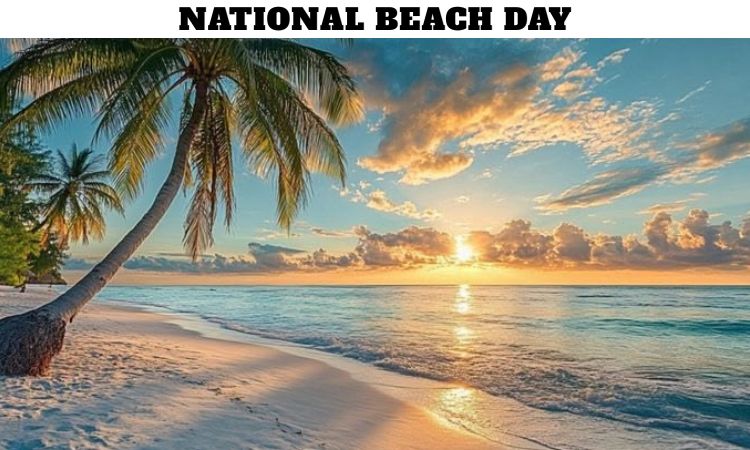
Few places bring people as much joy, calm, and connection to nature as the beach. The sound of waves, the feel of warm sand underfoot, and the endless horizon where sky meets sea have a way of resetting the mind and lifting the spirit. That universal love for the coast is exactly why the United States set aside August 30 each year to celebrate National Beach Day. Whether you live near the ocean, a lake, or nowhere close to open water at all, this late-summer holiday offers a reason to pause, appreciate the natural beauty of coastlines, and think about how to protect them for future generations.
What Is National Beach Day?
National Beach Day is an annual observance held on August 30 that celebrates the beauty, recreation, and ecological importance of beaches. It is a day meant to encourage people to visit the shore, enjoy the outdoors, and reflect on the role that beaches play in both human wellbeing and the natural environment. Unlike some holidays that are strictly commercial or historical, National Beach Day is more of a lifestyle celebration — it invites people to slow down, get outside, and appreciate one of nature’s most restorative landscapes.
The holiday falls near the tail end of summer in the Northern Hemisphere, making it a fitting send-off to the beach season. For many families, it lands close to the last long weekends before school resumes, giving it a bittersweet, “one more trip to the shore” quality. It’s a reminder that even as summer winds down, there’s still time to soak up sun, sand, and surf.
When Did National Beach Day Start, and Who Created It?
Unlike national holidays established by government proclamation, National Beach Day is what’s often called an “unofficial” holiday — one that grew organically through popular use rather than a formal act of Congress. Its exact origins are difficult to pin down with certainty, which is common for many modern observance days that spread largely through word of mouth and social media rather than official channels.
What is clear is that the day has been recognized for years by beach towns, tourism boards, environmental organizations, and everyday beachgoers as an occasion to celebrate coastal life. Communities along the Atlantic, Pacific, and Gulf coasts, as well as around the Great Lakes, have embraced the day as an opportunity to host cleanups, festivals, and family-friendly beach events. Because it isn’t tied to a single founder or origin story the way some holidays are, National Beach Day has taken on a somewhat grassroots identity — belonging less to any one institution and more to the millions of people who simply love spending time by the water.
Why Does August 30 Matter for Beaches and Coastal Communities?
Choosing a date in late August is no accident. By this point in the year, most of the Northern Hemisphere has enjoyed a full summer season of beach visits, and coastal economies have felt the impact of that tourism. Beaches are enormous economic engines: they support fishing industries, hospitality businesses, small shops, restaurants, and recreational services that many communities depend on throughout the year.
August 30 also serves as a symbolic checkpoint. It arrives just before the unofficial end of summer (Labor Day in the United States), making it a natural moment to reflect on the season that’s passing and to make the most of the days that remain. For coastal towns, the timing offers one more opportunity to draw visitors before the crowds thin out and the pace of life along the shore slows down for autumn.
Beyond economics, the date carries ecological significance too. Late summer is a critical period for many coastal species — sea turtle hatchlings are often making their way to the ocean, shorebirds are preparing for migration, and dune vegetation is at a delicate stage of its growth cycle. Celebrating the beach at this time of year is a natural invitation to also think about protecting it.
How Do People Celebrate National Beach Day?
Celebrations of National Beach Day vary widely depending on location, but they share a common thread: getting outside and enjoying the coast. Here are some of the most popular ways people mark the occasion:
- Taking a beach trip. For many, the simplest celebration is heading to the nearest beach for a day of swimming, sunbathing, and relaxation.
- Participating in a beach cleanup. Many environmental groups and local governments organize volunteer cleanups around this time of year, turning celebration into conservation.
- Hosting a beach-themed gathering. Even people who live far from the coast join in by throwing beach-themed parties — think tiki decorations, tropical drinks, sandcastle-building contests, and beach volleyball in a backyard or park.
- Trying water sports. Surfing, paddleboarding, kayaking, and snorkeling are popular ways to engage more actively with the day.
- Sharing beach memories online. Social media plays a large role in modern observance days, and National Beach Day is no exception. Many people share photos of favorite beach trips, sunsets, and coastal wildlife using hashtags related to the day.
- Supporting local coastal economies. Visiting beachfront restaurants, renting equipment from local shops, or booking a stay at a coastal bed-and-breakfast are simple ways to give back to the communities that maintain these spaces.
Because the day isn’t tied to any specific religious, cultural, or governmental tradition, there’s a lot of flexibility in how it’s celebrated — which is part of its charm.
Why Should We Care About Protecting Beaches?
Beaches are far more than recreational destinations; they are dynamic ecosystems that provide essential environmental services. Dunes and beach grasses act as natural buffers against storm surges and erosion, protecting inland communities from the worst effects of hurricanes and coastal storms. Wetlands and estuaries near beaches serve as nurseries for countless fish species, supporting both biodiversity and commercial fishing industries.
Unfortunately, beaches around the world face mounting pressures. Rising sea levels, increased storm intensity, plastic pollution, and unsustainable development have all taken a toll on coastal environments. Studies have repeatedly shown that marine debris — much of it plastic — accumulates on beaches at alarming rates, harming wildlife and degrading the natural beauty that draws people to the shore in the first place.
National Beach Day offers a meaningful opportunity to shift from passive enjoyment to active stewardship. A single beach cleanup might seem small, but collectively, these community efforts remove significant amounts of debris and raise public awareness about the fragility of coastal ecosystems. Simple everyday choices — reducing single-use plastics, respecting protected dune areas, and properly disposing of trash — also make a lasting difference.
What Are Some Fun Facts About Beaches Worth Knowing?
Beaches are as fascinating as they are beautiful, and a few fun facts can add extra appreciation to the day:
- Sand is not the same everywhere. It can be made of quartz, coral fragments, volcanic rock, or even shell debris, which is why beaches range in color from white and tan to pink, black, and even green.
- The world’s longest beach is often cited as being in Brazil, stretching for hundreds of miles along the coastline.
- Beaches are constantly changing. Waves, tides, and currents reshape shorelines over time, meaning the beach you visit today may look noticeably different in just a few years.
- Some beaches glow at night due to bioluminescent plankton, creating a magical blue glow in the waves after dark.
- Many coastal dunes take decades to form naturally, which is why they are so vulnerable to damage from foot traffic and development.
These small wonders are part of what makes beaches such compelling places to celebrate — not just for their beauty, but for the complex natural systems working beneath the surface.
How Can You Celebrate National Beach Day If You Don’t Live Near the Coast?
Not everyone has easy access to an ocean beach, but that doesn’t mean the spirit of the day is out of reach. People far from the coast often celebrate by visiting lakeside beaches, riverbanks, or even community pools designed with a beach-like feel. Others bring the beach to them through themed meals, tropical music, documentaries about ocean life, or by donating to organizations focused on ocean and coastal conservation.
Some people use the day as inspiration to start planning a future beach vacation, browsing destinations and setting savings goals for a trip down the road. Others take the opportunity to learn more about marine ecosystems through books, nature documentaries, or virtual tours of famous beaches around the world.
Final Thoughts: Why National Beach Day Is Worth Celebrating
National Beach Day, observed every August 30, is a light-hearted yet meaningful reminder of how much beaches contribute to both human happiness and environmental health. Whether it’s spent barefoot in the sand, volunteering for a coastal cleanup, or simply enjoying a beach-themed evening at home, the day encourages a moment of gratitude for one of the planet’s most cherished landscapes.
As summer draws to a close, National Beach Day offers a final, joyful nod to the season — and a gentle nudge to remember that these beautiful shorelines need care and protection long after the last beach towel is packed away.
Frequently Asked Questions (FAQs)
1. When is National Beach Day?
National Beach Day is observed annually on August 30.
2. Is National Beach Day an official U.S. holiday?
No. It’s an unofficial observance that grew popular through tourism boards, coastal communities, and social media rather than a government proclamation.
3. Who started National Beach Day?
There’s no single, verified founder. It emerged organically as beach towns, environmental groups, and beachgoers began recognizing the day.
4. Why is National Beach Day celebrated on August 30 specifically?
Late August marks the tail end of the Northern Hemisphere summer, just before Labor Day, making it a natural last call to enjoy the beach season and reflect on coastal tourism’s impact.
5. How can I celebrate National Beach Day?
Popular ways include visiting a beach, joining a coastal cleanup, hosting a beach-themed party, trying water sports like surfing or paddleboarding, and sharing beach photos online.
6. What if I don’t live near an ocean?
You can celebrate at a lake, river, or pool with a beach vibe, host a beach-themed gathering at home, watch ocean documentaries, or donate to a coastal conservation group.
7. Does National Beach Day have an environmental purpose?
Yes. Many people use the day to organize or join beach cleanups and raise awareness about plastic pollution, erosion, and threats to coastal ecosystems.
8. What’s a good beach cleanup activity for National Beach Day?
Grab gloves and trash bags, focus on the high-tide line where debris collects, sort recyclables from trash, and log findings if a local organization is tracking cleanup data.
9. Are there other beach-related holidays throughout the year?
Yes, there are several coastal and ocean-themed observances year-round, though National Beach Day in late August is one of the most widely recognized in the U.S.
10. Is National Beach Day the same in every country?
Not necessarily. While August 30 is recognized mainly in the U.S., many countries have their own beach or coastal celebration days tied to local tourism seasons or environmental campaigns.