

Why Is National Arizona Day Celebrated on June 21?
National Arizona Day is celebrated annually on June 21 to recognize the rich history, diverse culture, remarkable landscapes, and lasting contributions of the state of Arizona. The observance is part of a broader effort to honor each U.S. state and highlight the unique qualities that make it special.
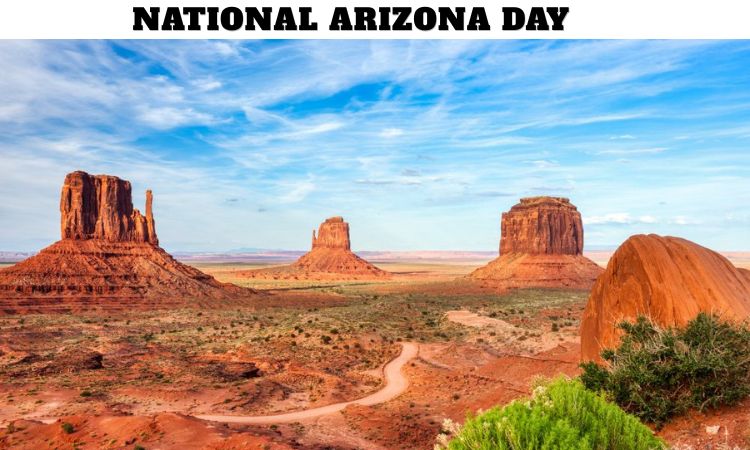
Arizona is known for its breathtaking deserts, majestic canyons, vibrant cities, Native American heritage, and significant role in the history of the American Southwest. National Arizona Day provides an opportunity for residents and visitors alike to appreciate the state’s achievements and traditions.
The day encourages people to learn more about Arizona’s historical milestones, natural beauty, and cultural diversity. It also inspires pride among Arizonans while introducing others to the state’s fascinating stories and attractions.
From iconic landscapes to thriving communities, Arizona represents a blend of tradition and progress that continues to shape its identity. National Arizona Day serves as a reminder of the state’s enduring significance and the many ways it contributes to the nation.
Every June 21, the observance celebrates the spirit of Arizona and the people who call it home.
What Is National Arizona Day?
National Arizona Day is a commemorative observance dedicated to recognizing Arizona’s history, culture, geography, and achievements. It highlights the state’s journey from a frontier territory to one of the most dynamic and rapidly growing states in the United States.
The day offers an opportunity to reflect on Arizona’s unique character and the factors that have influenced its development. Communities, educators, historians, and residents often use the occasion to share stories, explore landmarks, and celebrate state pride.
National Arizona Day also encourages appreciation for Arizona’s natural wonders, cultural traditions, and economic contributions. Through educational activities and community engagement, people gain a deeper understanding of what makes the state unique.
The observance helps preserve Arizona’s heritage while inspiring future generations to continue building upon its legacy.
How Did Arizona Become a State?
Arizona’s path to statehood reflects a fascinating chapter in American history. Before becoming a state, the region was home to Indigenous peoples who developed thriving communities and cultures over many centuries.
The area later became part of Spanish and Mexican territories before eventually coming under United States control following significant historical events during the nineteenth century.
As settlement increased and communities grew, Arizona developed its own identity and governance structures. The territory experienced rapid changes through mining, ranching, agriculture, and transportation development.
On February 14, 1912, Arizona officially became the 48th state admitted to the Union. It was the last of the contiguous states to achieve statehood.
National Arizona Day celebrates this journey and honors the determination and resilience of the people who helped shape Arizona’s history.
Why Is Arizona Known as the Grand Canyon State?
Arizona is often called the Grand Canyon State because it is home to one of the world’s most famous natural landmarks, the Grand Canyon. This immense geological formation attracts millions of visitors each year and stands as a symbol of the state’s natural beauty.
Carved over millions of years by the Colorado River, the Grand Canyon showcases layers of rock that reveal Earth’s geological history. Its vast size, dramatic colors, and breathtaking views make it one of the most recognizable natural wonders in the world.
The canyon has become closely associated with Arizona’s identity and tourism industry. It serves as a source of pride for residents and a destination for travelers from across the globe.
National Arizona Day recognizes not only the Grand Canyon but also the many other natural treasures that contribute to the state’s reputation for extraordinary landscapes.
What Makes Arizona’s Geography Unique?
Arizona’s geography is among the most diverse in the United States. While many people associate the state with deserts, Arizona includes a wide variety of landscapes ranging from high mountains and forests to rivers, plateaus, and canyons.
The Sonoran Desert, known for its iconic saguaro cactus, covers much of the southern region. Northern Arizona features cooler climates, pine forests, and elevated terrain that contrast sharply with desert environments.
This geographic diversity creates opportunities for numerous outdoor activities, including hiking, camping, fishing, mountain biking, and wildlife observation.
Arizona’s unique landscapes also support diverse ecosystems and plant species that contribute to the state’s environmental significance.
National Arizona Day celebrates these natural features and encourages appreciation for Arizona’s remarkable geography.
How Has Native American Heritage Shaped Arizona?
Native American heritage is a fundamental part of Arizona’s identity. Indigenous communities have lived in the region for thousands of years, developing rich cultural traditions, languages, art forms, and social systems.
Today, Arizona is home to numerous tribal nations that continue to preserve and share their cultural heritage. Their contributions influence art, architecture, cuisine, storytelling, and community life throughout the state.
Ancient archaeological sites provide insight into early civilizations and demonstrate the ingenuity of Indigenous peoples who adapted to the region’s diverse environments.
The preservation of cultural traditions and historical knowledge remains an important part of Arizona’s character and educational landscape.
National Arizona Day offers an opportunity to recognize and respect the enduring contributions of Native American communities to the state’s history and future.
What Role Has Arizona Played in American Development?
Arizona has contributed significantly to American growth and development through industries such as mining, agriculture, transportation, technology, and tourism.
Mining played a major role in Arizona’s early economy, helping attract settlers and investment. The state’s rich mineral resources supported economic expansion and infrastructure development.
Agriculture flourished through irrigation systems that transformed arid land into productive farmland. Arizona became known for producing crops that contributed to regional and national food supplies.
In recent decades, Arizona has emerged as a center for technology, education, research, and innovation. Growing metropolitan areas continue to attract businesses and skilled professionals.
National Arizona Day recognizes the many ways the state has supported economic progress and contributed to national prosperity.
What Are Some Famous Attractions in Arizona?
Arizona offers a wide range of attractions that appeal to nature enthusiasts, history lovers, and adventure seekers. Scenic landscapes, cultural landmarks, and outdoor recreation opportunities draw visitors from around the world.
The state’s deserts, mountains, and canyons provide spectacular settings for exploration and photography. Historical sites offer insights into Indigenous cultures, frontier history, and the development of the American Southwest.
Arizona’s cities combine modern amenities with distinctive regional character. Museums, cultural centers, festivals, and art communities enrich the visitor experience while preserving local traditions.
Outdoor recreation remains one of Arizona’s greatest attractions, offering opportunities to experience the state’s diverse environments firsthand.
National Arizona Day encourages people to discover the destinations that make Arizona one of America’s most fascinating states.
How Do People Celebrate National Arizona Day?
People celebrate National Arizona Day in various ways that reflect appreciation for the state’s culture and heritage. Educational activities often focus on Arizona’s history, geography, and notable achievements.
Schools may organize projects that teach students about state symbols, historical events, and cultural traditions. Museums and historical organizations frequently host exhibits and special programs.
Many residents celebrate by exploring parks, hiking trails, and scenic destinations that showcase Arizona’s natural beauty. Others participate in community events, cultural festivals, and local gatherings.
Families may use the day to learn about Arizona’s past, visit historical landmarks, or enjoy regional foods and traditions.
National Arizona Day provides an opportunity for people to connect with the state’s heritage and strengthen community pride.
What Can We Learn From Arizona’s History?
Arizona’s history teaches important lessons about resilience, adaptation, and cultural diversity. The state’s development reflects the influence of Indigenous communities, explorers, settlers, entrepreneurs, and innovators who contributed to its growth.
Its history demonstrates how people can thrive in challenging environments through creativity, determination, and cooperation. The state’s transformation from frontier territory to a modern economic center illustrates the power of vision and perseverance.
Arizona also highlights the importance of preserving natural resources and cultural heritage while pursuing development and progress.
The experiences of different communities throughout Arizona’s history emphasize the value of mutual respect, learning, and collaboration.
National Arizona Day encourages reflection on these lessons and their relevance to contemporary society.
Why Does National Arizona Day Continue to Matter?
National Arizona Day remains important because it celebrates a state known for its extraordinary landscapes, diverse cultures, and significant contributions to the United States. The observance helps preserve historical knowledge while encouraging appreciation for Arizona’s unique identity.
The day fosters state pride and promotes greater understanding of the people, places, and events that have shaped Arizona over time. It also inspires future generations to learn about their heritage and contribute positively to their communities.
As Arizona continues to grow and evolve, National Arizona Day serves as a reminder of the values, traditions, and achievements that define the state.
Every June 21, the celebration honors Arizona’s past, recognizes its present accomplishments, and looks forward to its future with optimism and pride.
Frequently Asked Questions (FAQs)
1. What is National Arizona Day?
National Arizona Day is an annual observance that celebrates Arizona’s history, culture, geography, and achievements.
2. When is National Arizona Day celebrated?
It is celebrated every year on June 21.
3. Why is Arizona called the Grand Canyon State?
Arizona is known as the Grand Canyon State because it is home to the world-famous Grand Canyon.
4. When did Arizona become a state?
Arizona became the 48th state of the United States on February 14, 1912.
5. What is Arizona famous for?
Arizona is famous for its deserts, canyons, Native American heritage, outdoor recreation, and unique landscapes.
6. What is the largest city in Arizona?
Phoenix is the largest city and capital of Arizona.
7. How is National Arizona Day celebrated?
People celebrate through educational activities, cultural events, outdoor exploration, and community gatherings.
8. Why is Arizona important to American history?
Arizona has contributed through mining, agriculture, transportation, technology, and cultural heritage.
9. What makes Arizona’s geography unique?
Arizona features deserts, mountains, forests, rivers, and canyons, creating exceptional geographic diversity.
10. Why is National Arizona Day important?
The day honors Arizona’s heritage, achievements, culture, and contributions to the nation.