

Why Is International Yoga Day Celebrated on June 21?
International Yoga Day is celebrated every year on June 21 to promote the physical, mental, and spiritual benefits of yoga. The observance encourages people around the world to embrace yoga as a holistic practice that supports health, balance, and overall well-being.
June 21 was chosen because it is the summer solstice in the Northern Hemisphere, the longest day of the year. In many traditions, this day holds special significance and symbolizes light, energy, and transformation. The date reflects the deeper philosophy of yoga, which seeks harmony between the body, mind, and spirit.
International Yoga Day has become a global movement that brings together people from different cultures, backgrounds, and age groups. Through public events, workshops, and community gatherings, the day highlights yoga’s universal appeal and its ability to foster wellness and unity.
The celebration also serves as a reminder that maintaining health involves more than physical fitness. Yoga encourages mindfulness, self-awareness, relaxation, and inner peace, making it a valuable practice in today’s fast-paced world.
Every June 21, millions of people participate in yoga sessions and awareness activities that emphasize healthy living and personal growth.
What Is International Yoga Day?
International Yoga Day is a global observance dedicated to raising awareness about yoga and its positive impact on health and well-being. The day promotes yoga as a practice that can benefit individuals regardless of age, fitness level, or cultural background.
Yoga is an ancient discipline that combines physical postures, breathing techniques, meditation, and mindfulness. While many people initially approach yoga for its physical benefits, the practice extends beyond exercise and encourages a balanced lifestyle.
International Yoga Day provides an opportunity for individuals and communities to learn about yoga, try new techniques, and deepen their understanding of its principles.
The observance also encourages discussions about preventive healthcare, stress management, and the importance of maintaining a healthy relationship between body and mind.
As participation continues to grow globally, International Yoga Day has become one of the most widely recognized wellness observances in the world.
What Is the History of Yoga?
Yoga has a history that spans thousands of years. Originating in ancient India, it developed as a comprehensive system designed to promote physical health, mental clarity, ethical living, and spiritual growth.
Over time, yoga evolved into various schools and traditions, each emphasizing different aspects of the practice. Some forms focus primarily on physical postures, while others emphasize meditation, breathing, or philosophical teachings.
Ancient texts and teachings describe yoga as a path toward self-awareness and inner harmony. Practitioners sought to understand the connection between mind, body, and consciousness.
As yoga spread across the world, it adapted to different cultures while retaining its core principles. Today, people practice yoga in homes, schools, fitness centers, workplaces, and community spaces worldwide.
International Yoga Day celebrates this rich heritage and recognizes yoga’s continuing relevance in modern society.
Why Has Yoga Become So Popular Worldwide?
Yoga’s popularity continues to grow because it offers benefits that address many modern health challenges. People often seek effective ways to manage stress, improve physical fitness, and achieve greater mental balance.
Unlike some forms of exercise, yoga can be adapted to various ages and abilities. Beginners and experienced practitioners alike can find approaches that suit their needs and goals.
The practice also encourages mindfulness, which helps individuals become more aware of their thoughts, emotions, and habits. This awareness can contribute to improved decision-making and emotional resilience.
Yoga’s accessibility and versatility have made it appealing across cultures and communities. Whether practiced for relaxation, flexibility, strength, or personal growth, yoga offers something valuable to a wide range of individuals.
International Yoga Day highlights the global reach of yoga and its ability to bring people together through a shared commitment to wellness.
What Are the Physical Benefits of Yoga?
Yoga offers numerous physical benefits that contribute to overall health and fitness. Regular practice can improve flexibility by gently stretching muscles and increasing joint mobility.
Many yoga postures also help build strength by engaging different muscle groups throughout the body. Improved balance and coordination are additional benefits that support daily movement and physical function.
Yoga encourages proper posture and body awareness, which may help reduce discomfort associated with prolonged sitting and repetitive activities. Breathing exercises can further enhance physical well-being by supporting relaxation and efficient oxygen use.
The practice can also complement other forms of exercise by promoting recovery, mobility, and injury prevention.
International Yoga Day encourages people to explore these physical benefits while recognizing that yoga supports health in a balanced and sustainable manner.
How Does Yoga Support Mental Well-Being?
Mental wellness is one of the most valued aspects of yoga. Through controlled breathing, meditation, and mindful movement, yoga helps calm the mind and reduce feelings of stress.
Many practitioners find that yoga provides an opportunity to disconnect from daily distractions and focus on the present moment. This mindful approach can improve concentration, emotional balance, and self-awareness.
Regular practice often promotes relaxation and encourages healthier responses to challenges and pressures. The combination of movement and mindfulness can create a sense of inner stability and calm.
Yoga also supports personal reflection, allowing individuals to develop a deeper understanding of their thoughts and emotions.
International Yoga Day emphasizes the importance of mental health and highlights yoga as a valuable tool for maintaining emotional well-being.
Why Is Breathing Important in Yoga?
Breathing plays a central role in yoga practice. Conscious breathing techniques help connect physical movement with mental focus, creating a more integrated experience.
Controlled breathing encourages relaxation and supports the body’s natural ability to manage stress. By slowing and deepening the breath, practitioners often experience greater calm and concentration.
Breathing exercises can also enhance body awareness and improve the ability to remain present during practice. This connection between breath and movement distinguishes yoga from many other forms of physical activity.
In addition to supporting relaxation, proper breathing contributes to endurance, comfort, and overall effectiveness during yoga sessions.
International Yoga Day highlights the importance of breath as a foundation of yoga and overall wellness.
How Is International Yoga Day Celebrated Around the World?
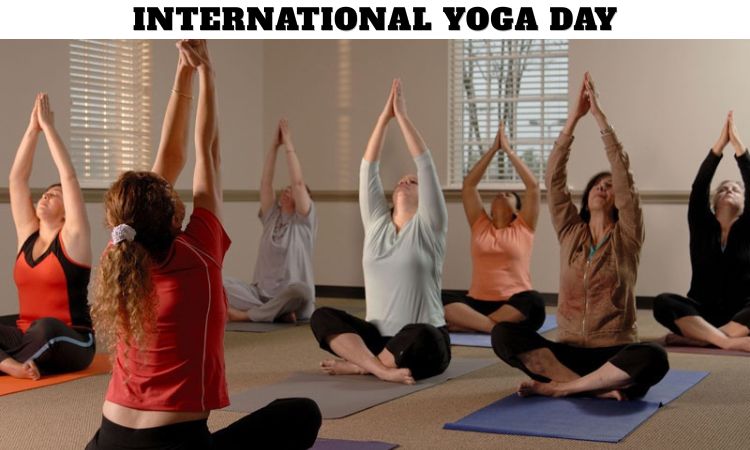
International Yoga Day is celebrated through a wide variety of activities that promote awareness and participation. Public yoga sessions are among the most common events, often bringing together large groups of people in parks, community centers, schools, and public spaces.
Educational workshops introduce participants to yoga philosophy, breathing techniques, and wellness practices. Many organizations also host seminars focused on health, mindfulness, and stress management.
Online classes and virtual events have expanded access to International Yoga Day activities, allowing people to participate regardless of location.
Schools, businesses, healthcare institutions, and community groups often organize special programs that encourage healthy lifestyles and physical activity.
These celebrations reflect yoga’s universal appeal and its ability to unite people around shared goals of health and well-being.
Who Can Practice Yoga?
One of yoga’s greatest strengths is its accessibility. People of different ages, fitness levels, and backgrounds can participate in yoga practices tailored to their individual needs.
Children can benefit from improved focus, flexibility, and body awareness. Adults often use yoga to maintain fitness, manage stress, and support overall health. Older adults may practice modified forms that emphasize mobility, balance, and relaxation.
Many styles of yoga offer variations that accommodate beginners, experienced practitioners, and individuals with specific physical considerations.
Because yoga emphasizes personal growth rather than competition, participants can progress at their own pace and focus on their unique goals.
International Yoga Day promotes the idea that yoga is for everyone and encourages inclusive participation worldwide.
How Can People Participate in International Yoga Day?
There are many ways to participate in International Yoga Day. Individuals can attend community yoga events, join online classes, or practice independently at home.
Learning about yoga philosophy and mindfulness can provide a deeper understanding of the practice beyond physical postures. Reading, workshops, and educational programs offer valuable opportunities for growth.
Families and friends may choose to practice together, creating positive experiences that strengthen relationships while promoting health.
Some participants use the day to begin a yoga journey, while others deepen existing practices by exploring new techniques or setting wellness goals.
International Yoga Day encourages people to take meaningful steps toward healthier and more balanced lifestyles.
Why Does International Yoga Day Continue to Matter?
International Yoga Day remains important because it promotes a holistic approach to health that addresses physical fitness, mental wellness, and personal development. In a world where stress and lifestyle-related health concerns are increasingly common, yoga offers practical tools for achieving balance and resilience.
The observance encourages preventive healthcare by emphasizing healthy habits and self-care. It also fosters a sense of global community by bringing together people from diverse backgrounds through a shared practice.
Yoga’s enduring popularity demonstrates its ability to adapt to changing times while preserving timeless principles of mindfulness and well-being.
Every June 21, International Yoga Day reminds people of the importance of caring for both body and mind and encourages a lifelong commitment to health, harmony, and personal growth.
Frequently Asked Questions (FAQs)
1. What is International Yoga Day?
International Yoga Day is a global observance dedicated to promoting yoga and its benefits for health and well-being.
2. When is International Yoga Day celebrated?
It is celebrated every year on June 21.
3. Why was June 21 chosen for International Yoga Day?
June 21 is the summer solstice in the Northern Hemisphere and holds symbolic significance in many traditions.
4. What is yoga?
Yoga is an ancient practice that combines physical postures, breathing techniques, meditation, and mindfulness.
5. What are the physical benefits of yoga?
Yoga can improve flexibility, strength, balance, posture, and overall physical wellness.
6. How does yoga support mental health?
Yoga promotes relaxation, mindfulness, stress management, and emotional well-being.
7. Can beginners practice yoga?
Yes, yoga can be adapted for beginners and individuals of all fitness levels.
8. How is International Yoga Day celebrated?
People celebrate through yoga sessions, workshops, educational programs, and wellness activities.
9. Is yoga only about physical exercise?
No, yoga also includes breathing practices, meditation, mindfulness, and personal development.
10. Why is International Yoga Day important?
It raises awareness about the benefits of yoga and encourages healthier lifestyles worldwide.