

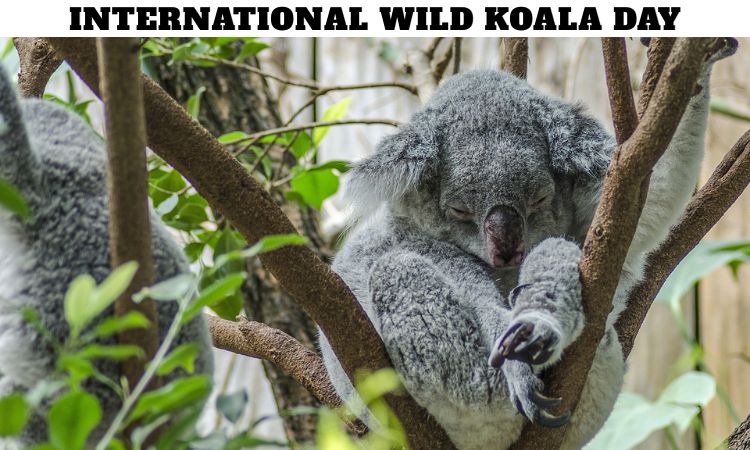
What Is International Wild Koala Day, and Why Is It Observed on May 3?
International Wild Koala Day, observed annually on May 3, is a global awareness day dedicated to protecting one of the world’s most beloved marsupials—the wild koala. This special day focuses on raising awareness about the urgent threats koalas face in their natural habitats, including deforestation, climate change, disease, habitat fragmentation, and bushfires.
Native to Australia and admired worldwide for their distinctive appearance and gentle nature, koalas are far more than iconic animals. They are essential components of Australian ecosystems and powerful symbols of wildlife conservation. International Wild Koala Day encourages governments, environmental organizations, educators, and individuals to take meaningful action to preserve koala populations and the eucalyptus forests they depend on.
As habitat loss and environmental pressures continue to intensify, this observance serves as a critical reminder that koala survival depends on immediate conservation efforts.
What Is a Wild Koala and Why Is It Unique?
The koala is a tree-dwelling marsupial native to Australia, scientifically known as Phascolarctos cinereus. Often mistakenly called a “koala bear,” koalas are not bears at all. They belong to the marsupial family, meaning females carry and nurture their young, called joeys, in a pouch.
Koalas are unique for several reasons:
- They feed almost exclusively on eucalyptus leaves
- They sleep up to 18–22 hours a day
- They have specialized digestive systems to process toxic eucalyptus compounds
- Their fingerprints are remarkably similar to human fingerprints
- They are highly adapted to arboreal life
These adaptations make koalas one of nature’s most specialized mammals, but specialization also makes them vulnerable when ecosystems change.
Why Was International Wild Koala Day Created?
International Wild Koala Day was established to draw attention to the declining state of wild koala populations and to emphasize the distinction between koalas in zoos and koalas surviving in shrinking natural habitats.
The day was created by conservation advocates who recognized that while koalas are globally adored, many people remain unaware of the severe dangers they face in the wild. Habitat destruction from urban development, agriculture, mining, and road expansion has dramatically reduced koala populations across Australia.
By dedicating May 3 to wild koalas, conservationists seek to inspire public action, policy reform, and habitat restoration efforts.
Why Are Koalas Important to the Environment?
Koalas play an important ecological role in maintaining healthy eucalyptus forests. As selective feeders, they influence tree growth patterns and contribute to nutrient cycling through waste decomposition.
Their presence also serves as an indicator of ecosystem health. Protecting koalas means protecting broader biodiversity, including birds, insects, reptiles, and plant species that share their habitats.
Koala conservation supports:
- Forest preservation
- Carbon storage through tree protection
- Biodiversity maintenance
- Ecotourism economies
- Indigenous ecological heritage
Saving koalas is not only about preserving one species but also about sustaining entire ecosystems.
What Threats Do Wild Koalas Face Today?
Wild koalas face multiple serious threats, many caused by human activity.
Habitat Loss:
Land clearing for housing, agriculture, and infrastructure is the greatest threat.
Bushfires:
Intense fires, worsened by climate change, devastate koala habitats and populations.
Climate Change:
Rising temperatures and drought reduce eucalyptus quality and water availability.
Disease:
Chlamydia infections significantly affect koala health and reproduction.
Vehicle Collisions and Dog Attacks:
Urban expansion increases encounters with roads and domestic animals.
These combined pressures have led to steep declines in many koala populations, with some regions now listing koalas as endangered.
How Did Bushfires Impact Koalas?
Recent Australian bushfires highlighted the vulnerability of koalas to environmental disasters. Massive wildfires destroyed millions of hectares of habitat, killing or displacing thousands of koalas.
Koalas are particularly vulnerable because:
- They move slowly
- They depend on specific trees
- Fire can destroy both shelter and food sources
Post-fire recovery can take years or decades, especially when habitat fragmentation limits migration.
International Wild Koala Day emphasizes the need for fire prevention strategies, habitat corridors, and climate action.
How Can We Celebrate International Wild Koala Day?
People around the world can participate in meaningful ways:
Support Koala Conservation Organizations:
Donate to wildlife rescue and habitat restoration groups.
Plant Native Trees:
Supporting eucalyptus reforestation helps koala habitats recover.
Raise Awareness:
Share educational resources about koala conservation.
Adopt Sustainable Practices:
Reducing carbon footprints supports climate resilience.
Participate in Fundraisers or Educational Events:
Schools and communities often host wildlife awareness programs.
Celebration should focus on practical conservation, not just admiration.
What Is the Difference Between Wild Koalas and Captive Koalas?
Captive koalas in zoos or sanctuaries often receive medical care, stable food supplies, and protection from predators. Wild koalas, however, face daily challenges related to habitat quality, disease, and environmental change.
International Wild Koala Day specifically emphasizes wild koalas because preserving natural populations is essential for species survival.
Wild koalas need:
- Connected habitats
- Healthy eucalyptus forests
- Climate resilience
- Reduced human threats
Conservation success depends on protecting natural ecosystems rather than relying solely on captive care.
How Do Koalas Reproduce and Raise Their Young?
Koalas have relatively slow reproductive rates, which contributes to population vulnerability.
A female koala typically gives birth to one joey per year. The joey remains in the mother’s pouch for about six months, then rides on her back while learning survival skills.
This slow reproductive cycle means population recovery after habitat loss or disasters can be extremely slow.
Protecting breeding females and safe habitats is therefore crucial for long-term survival.
Why Is Eucalyptus So Important to Koalas?
Koalas rely almost entirely on eucalyptus leaves for food and hydration. However, not all eucalyptus species are suitable, and koalas are selective feeders.
Eucalyptus provides:
- Nutrients
- Moisture
- Shelter
Because koalas depend on specific tree species, deforestation can be catastrophic even if some forest remains. Habitat quality matters as much as habitat quantity.
Conservation efforts must therefore prioritize preserving the right eucalyptus ecosystems.
What Role Do Indigenous Australians Play in Koala Conservation?
For many Indigenous Australian communities, koalas hold cultural, spiritual, and ecological significance. Indigenous land stewardship practices, including traditional ecological knowledge, play a valuable role in habitat protection and fire management.
Collaborative conservation efforts that include Indigenous leadership can improve biodiversity outcomes while honoring cultural heritage.
International Wild Koala Day also recognizes the importance of Indigenous ecological wisdom in preserving native species.
How Can Governments Protect Koalas?
Effective government action is essential for koala survival. Key strategies include:
- Stronger land-clearing regulations
- Protected habitat zones
- Wildlife corridors
- Bushfire resilience planning
- Disease research funding
- Climate action policies
Conservation requires systemic solutions, not just individual awareness.
What Does the Future Hold for Wild Koalas?
The future of wild koalas depends on immediate, coordinated action. Without stronger protections, habitat destruction and climate pressures could continue to push populations toward severe decline.
However, there is hope. Through conservation science, public advocacy, habitat restoration, and sustainable policy, koala populations can recover.
International Wild Koala Day inspires this hope by mobilizing people worldwide to protect one of Earth’s most recognizable species.
Why Does International Wild Koala Day Matter?
International Wild Koala Day on May 3 is a powerful call to protect wild koalas before habitat loss and environmental pressures become irreversible. Koalas are not just charming animals; they are living symbols of biodiversity, ecological resilience, and the urgent need for conservation.
By preserving koalas, we preserve forests, ecosystems, and the environmental balance that sustains countless species.
This day reminds us that admiration must lead to action. Protecting koalas requires habitat restoration, climate responsibility, education, and policy reform.
The survival of wild koalas depends on what we choose to do now.
Frequently Asked Questions (FAQs)
1. When is International Wild Koala Day celebrated?
It is observed annually on May 3.
2. What is the purpose of International Wild Koala Day?
It raises awareness about protecting wild koalas and their habitats.
3. Are koalas bears?
No, koalas are marsupials, not bears.
4. Where do wild koalas live?
Wild koalas are native to Australia.
5. What do koalas eat?
They primarily eat eucalyptus leaves.
6. Why are koalas endangered?
Habitat loss, bushfires, disease, and climate change are major threats.
7. How long do koalas sleep?
Koalas can sleep 18–22 hours a day.
8. What is the biggest threat to koalas?
Habitat destruction is their greatest threat.
9. How can people help koalas?
Support conservation groups, plant trees, and advocate for habitat protection.
10. Why are koalas important?
They support ecosystem health and symbolize wildlife conservation.