

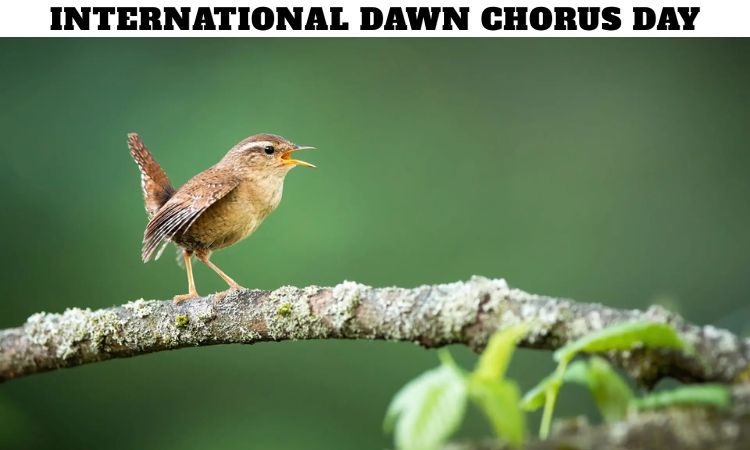
Every year on May 3, nature lovers, birdwatchers, conservationists, and communities around the globe rise before sunrise to celebrate International Dawn Chorus Day—a unique observance dedicated to experiencing one of nature’s most enchanting daily events: the dawn chorus. This extraordinary phenomenon occurs when birds begin singing at daybreak, filling forests, parks, gardens, and countryside landscapes with a vibrant natural orchestra.
International Dawn Chorus Day is more than a celebration of birdsong. It is a global reminder of our connection to wildlife, biodiversity, and the fragile ecosystems that support bird populations. As we gather in the early morning stillness to listen, we reconnect with nature in one of its purest forms.
What Is International Dawn Chorus Day?
International Dawn Chorus Day is an annual worldwide event held on the first Sunday of May, often falling around May 3, depending on the calendar year. It encourages people to wake before sunrise and immerse themselves in the melodic songs of birds as they greet the new day.
This celebration began as a conservation and awareness initiative to highlight the beauty of birdsong while emphasizing the importance of protecting bird habitats. Today, schools, environmental organizations, bird clubs, and families participate by organizing early morning bird walks, educational events, and live broadcasts from natural habitats.
The dawn chorus itself refers to the collective singing of birds at sunrise, particularly during the spring breeding season when male birds sing to establish territory, attract mates, and communicate.
Why Is the Dawn Chorus So Special?
The dawn chorus is often described as one of the most magical sounds in nature because of its complexity, harmony, and emotional impact. Birds sing at dawn because environmental conditions are ideal: cooler air, reduced wind, and lower ambient noise allow their songs to travel farther.
Different species join the chorus in sequence, creating layers of sound. Common participants include:
- Robins
- Blackbirds
- Thrushes
- Wrens
- Sparrows
- Finches
Each species contributes its own distinct melody, producing a natural symphony unmatched by artificial music. Listening closely can reveal patterns, territorial calls, and mating songs.
How Did International Dawn Chorus Day Begin?
The origins of International Dawn Chorus Day trace back to the United Kingdom in the 1980s, when environmental enthusiasts organized early birdwatching events to celebrate birdlife and promote conservation.
What started as a local activity quickly grew into an international movement as radio stations and environmental groups began broadcasting live dawn chorus recordings from various countries. This expansion transformed it into a global event, connecting people across continents through shared appreciation of birdsong.
Today, the event symbolizes both celebration and activism, encouraging awareness of declining bird populations due to habitat destruction, climate change, pollution, and urbanization.
Why Do Birds Sing More at Dawn?
Birdsong peaks at dawn for biological and environmental reasons:
1. Territorial Defense:
Male birds sing to claim territory and warn rivals.
2. Mate Attraction:
The strongest singers often demonstrate health and fitness, attracting potential mates.
3. Optimal Sound Conditions:
Cool morning air carries sound farther, increasing communication efficiency.
4. Low Light Activity:
Before sufficient daylight for foraging, singing is an effective use of time.
These factors combine to make dawn the perfect time for birds to perform their daily vocal displays.
How Can We Celebrate International Dawn Chorus Day?
Participating in International Dawn Chorus Day can be simple yet deeply rewarding. We can:
Wake Up Early for a Birdsong Walk
Visit a nearby park, forest, wetland, or garden before sunrise and listen carefully.
Join Community Birdwatching Events
Many wildlife groups organize guided walks with bird identification experts.
Create a Bird-Friendly Garden
Install feeders, bird baths, and native plants to encourage local bird populations.
Record and Share Birdsong
Nature enthusiasts often document bird sounds to contribute to citizen science projects.
Teach Children About Birds
Introducing younger generations to bird conservation strengthens environmental stewardship.
What Are the Environmental Benefits of Celebrating This Day?
International Dawn Chorus Day serves as a conservation tool by reminding us that birds are essential ecological indicators. Healthy bird populations often reflect healthy ecosystems.
Birds contribute to:
- Pollination
- Seed dispersal
- Pest control
- Biodiversity balance
By celebrating this day, we strengthen support for preserving forests, wetlands, grasslands, and urban green spaces.
Which Birds Are Commonly Heard During Dawn Chorus?
The exact species vary by region, but some frequently recognized dawn singers include:
- European Robin: Often one of the earliest singers.
- Blackbird: Known for rich, flute-like melodies.
- Song Thrush: Repetitive and powerful notes.
- Wren: Surprisingly loud for its size.
- Warblers: Complex, energetic songs.
In India, species such as bulbuls, mynas, koels, and tailorbirds often dominate morning soundscapes.
How Does Urbanization Affect Dawn Chorus?
Urban expansion significantly impacts birdsong patterns. Artificial lighting, traffic noise, habitat loss, and pollution can alter bird behavior.
Some birds adapt by singing earlier or louder to compete with city sounds, but many species decline due to habitat disruption. International Dawn Chorus Day highlights the need to protect green spaces even within cities.
Urban conservation efforts can include:
- Planting native trees
- Reducing pesticide use
- Creating bird sanctuaries
- Limiting excessive nighttime lighting
Why Is Listening to Birdsong Good for Human Well-Being?
Scientific studies increasingly show that birdsong positively affects mental health. Listening to natural sounds can reduce stress, improve mood, and promote mindfulness.
Benefits include:
- Reduced anxiety
- Improved concentration
- Enhanced emotional well-being
- Stronger connection to nature
The peaceful ritual of participating in dawn chorus events offers a powerful antidote to digital overload and urban stress.
How Can We Protect Bird Populations Beyond May 3?
While International Dawn Chorus Day is an annual celebration, bird conservation requires year-round commitment. We can help by:
- Supporting wildlife charities
- Protecting natural habitats
- Avoiding harmful pesticides
- Keeping cats indoors during nesting seasons
- Installing bird-safe windows
- Participating in citizen science bird counts
Small daily actions can collectively safeguard bird diversity for future generations.
What Makes International Dawn Chorus Day Globally Important?
This day transcends borders, languages, and cultures because birdsong is universal. From forests in Europe to gardens in Asia, wetlands in Africa, and woodlands in the Americas, birds greet sunrise with remarkable consistency.
International Dawn Chorus Day reminds us that nature’s rhythms unite humanity and that preserving wildlife is a shared global responsibility.
Why Should We Rise Early on May 3?
International Dawn Chorus Day is a celebration of biodiversity, mindfulness, and environmental stewardship. By stepping outside before sunrise, we witness a timeless natural event that has inspired humans for centuries.
The songs we hear are not merely beautiful sounds; they are signals of life, survival, reproduction, and ecological health. On May 3, we honor birds not only by listening but by committing to protect the habitats they need.
As dawn breaks and the chorus begins, we are invited to pause, listen, and remember that nature’s greatest concert is free, fragile, and worth preserving.
Frequently Asked Questions (FAQs)
1. When is International Dawn Chorus Day celebrated?
It is celebrated annually on the first Sunday of May, often around May 3.
2. What is the dawn chorus?
The dawn chorus is the collective singing of birds at sunrise.
3. Why do birds sing at dawn?
Birds sing to attract mates, defend territory, and communicate in ideal sound conditions.
4. Who started International Dawn Chorus Day?
It originated in the United Kingdom as a bird conservation awareness event.
5. Can city residents participate?
Yes, parks, gardens, and urban green spaces can offer excellent dawn chorus experiences.
6. What should we bring to a dawn chorus event?
Binoculars, weather-appropriate clothing, a notebook, and patience.
7. Is birdsong scientifically beneficial?
Yes, birdsong can reduce stress and improve mental well-being.
8. Which month has the strongest dawn chorus?
Spring is typically the peak season due to breeding activity.
9. How can children join?
Families can organize birdwatching walks or backyard listening sessions.
10. Why is bird conservation important?
Birds support ecosystems through pollination, pest control, and biodiversity maintenance.