

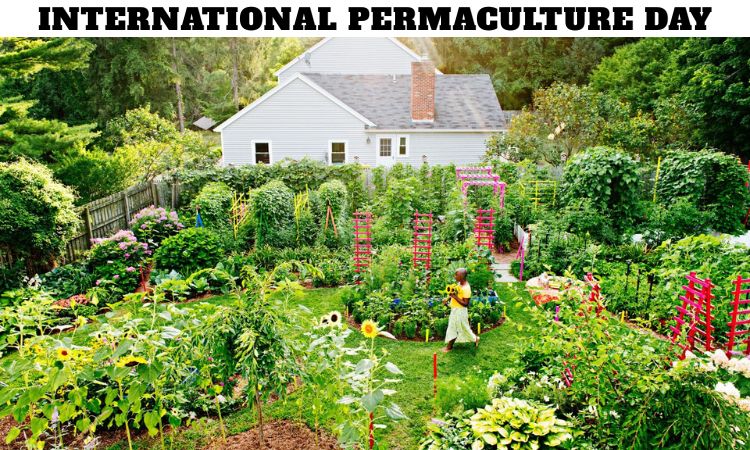
What Is International Permaculture Day, and Why Is It Celebrated on May 3?
International Permaculture Day, observed annually on the first Sunday in May and celebrated around May 3, is a global event dedicated to promoting the principles of permaculture, a sustainable design philosophy that works with nature rather than against it. This important day encourages individuals, communities, farmers, educators, and environmentalists to explore regenerative living practices that create healthy ecosystems, resilient food systems, and sustainable communities.
Permaculture is more than gardening. It is a comprehensive system of ecological design rooted in ethics, sustainability, and long-term environmental stewardship. International Permaculture Day serves as a worldwide reminder that our choices about food, land use, water, housing, and community can restore the planet instead of depleting it.
Across the globe, people celebrate by hosting workshops, garden tours, seed swaps, educational seminars, and community projects that showcase how permaculture can address modern challenges such as climate change, food insecurity, biodiversity loss, and resource depletion.
What Does Permaculture Mean and Where Did It Begin?
The term permaculture combines “permanent agriculture” and “permanent culture.” It was developed in the 1970s by Australian ecologists Bill Mollison and David Holmgren, who envisioned agricultural systems modeled after natural ecosystems.
Permaculture began as a response to industrial agriculture’s harmful effects, including soil degradation, water pollution, monoculture dependency, and excessive fossil fuel use. Mollison and Holmgren created a design system that integrates land, resources, people, and the environment into mutually beneficial systems.
Today, permaculture has expanded beyond farming into architecture, urban planning, economics, social systems, and education. It emphasizes designing environments where human needs are met while enhancing biodiversity and ecological health.
What Are the Core Ethics of Permaculture?
Permaculture is guided by three foundational ethics:
- Earth Care: Protect and regenerate the natural environment.
- People Care: Support human well-being and community resilience.
- Fair Share: Distribute surplus resources responsibly and limit consumption.
These ethics shape every permaculture practice, from composting kitchen scraps to building food forests and creating water-efficient landscapes. International Permaculture Day highlights these values by inspiring practical solutions that benefit both humanity and the Earth.
Why Is International Permaculture Day Important in Today’s World?
In a time of environmental crises, International Permaculture Day carries profound relevance. Modern societies face serious issues, including:
- Climate change
- Deforestation
- Soil erosion
- Water scarcity
- Food system instability
- Plastic pollution
Permaculture offers a practical framework for addressing these interconnected problems through regenerative design.
By celebrating this day, communities raise awareness about sustainable food production, renewable energy, biodiversity conservation, and local resilience. It encourages a shift from extractive systems to regenerative practices that rebuild ecosystems.
How Does Permaculture Work With Nature Instead of Against It?
Permaculture designs mimic natural ecosystems where plants, animals, soil, water, and humans interact harmoniously.
For example:
- Rainwater harvesting reduces water waste
- Companion planting improves crop health
- Composting enriches soil naturally
- Food forests replicate woodland ecosystems
- Natural building uses local, renewable materials
Instead of relying heavily on synthetic chemicals, permaculture focuses on observation, biodiversity, and strategic design. This approach creates systems that are productive, efficient, and resilient over time.
What Are the Twelve Principles of Permaculture?
David Holmgren outlined twelve widely recognized permaculture principles that guide sustainable design:
- Observe and interact
- Catch and store energy
- Obtain a yield
- Apply self-regulation
- Use renewable resources
- Produce no waste
- Design from patterns to details
- Integrate rather than segregate
- Use small and slow solutions
- Value diversity
- Use edges and value the marginal
- Creatively use and respond to change
These principles are practical tools for designing everything from backyard gardens to entire communities.
How Is International Permaculture Day Celebrated Around the World?
People celebrate International Permaculture Day through diverse events that educate and inspire action.
Common activities include:
- Open permaculture garden tours
- Workshops on composting and soil health
- Community gardening projects
- Seed exchanges
- Sustainable cooking demonstrations
- Water conservation training
- Tree planting initiatives
- Educational webinars
These events connect people with hands-on learning opportunities and demonstrate real-world applications of ecological living.
Can Permaculture Be Practiced in Cities?
Yes, permaculture is highly adaptable to urban environments. International Permaculture Day increasingly highlights urban sustainability because cities play a major role in resource consumption.
Urban permaculture strategies include:
- Rooftop gardens
- Balcony food production
- Vertical gardening
- Community gardens
- Rainwater collection
- Composting systems
- Edible landscaping
Urban residents can use permaculture to reduce waste, lower food costs, increase biodiversity, and create greener neighborhoods.
How Does Permaculture Help Fight Climate Change?
Permaculture directly addresses climate challenges by reducing carbon emissions and restoring ecosystems.
Key climate benefits include:
- Carbon Sequestration: Healthy soils and trees capture atmospheric carbon.
- Reduced Fossil Fuel Dependence: Local food systems reduce transportation emissions.
- Water Efficiency: Swales, mulching, and rainwater harvesting conserve water.
- Biodiversity Restoration: Diverse systems support pollinators and wildlife.
- Waste Reduction: Composting diverts organic waste from landfills.
By encouraging regenerative systems, International Permaculture Day promotes solutions that mitigate environmental degradation.
What Is a Food Forest and Why Is It a Permaculture Icon?
A food forest is one of permaculture’s most recognizable concepts. It is a layered agricultural system designed to imitate a natural forest while producing edible crops.
Food forests often include:
- Canopy trees
- Fruit trees
- Shrubs
- Herbs
- Ground covers
- Root crops
- Vines
This layered approach maximizes productivity while improving soil, conserving water, and supporting biodiversity. Food forests represent permaculture’s philosophy of abundance through ecological harmony.
How Can Beginners Start Practicing Permaculture?
International Permaculture Day is an ideal time to begin. Newcomers can start with simple steps:
- Compost food scraps
- Plant native species
- Reduce lawn space
- Harvest rainwater
- Learn companion planting
- Support local farmers
- Build raised garden beds
- Observe sunlight and water flow patterns
Permaculture does not require large land ownership. Even small actions can contribute to sustainable living.
Why Does Education Matter in the Permaculture Movement?
Education is central to permaculture’s global growth. Knowledge-sharing empowers people to redesign systems for sustainability.
Permaculture courses often teach:
- Soil regeneration
- Organic gardening
- Water systems
- Ecological design
- Renewable energy
- Community planning
International Permaculture Day helps spread this knowledge by making sustainable education accessible to wider audiences.
What Are the Long-Term Benefits of Permaculture?
Permaculture’s benefits extend far beyond environmental conservation.
- Economic Benefits: Lower resource costs and increased local resilience.
- Health Benefits: Access to fresh, nutritious food.
- Social Benefits: Stronger community networks.
- Ecological Benefits: Soil restoration, cleaner water, and biodiversity support.
By integrating sustainable practices into everyday life, permaculture builds systems that are resilient for future generations.
How Does International Permaculture Day Inspire Global Change?
International Permaculture Day catalyzes local and global transformation. It encourages people to rethink how they grow food, design homes, manage resources, and build communities.
Its message is clear: sustainable living is not about sacrifice but intelligent design that benefits all life.
As climate and environmental concerns intensify, permaculture offers a hopeful path forward—one rooted in regeneration, cooperation, and resilience.
Why Should We Embrace International Permaculture Day?
International Permaculture Day on May 3 is more than an environmental observance—it is a celebration of regenerative possibility. It reminds us that sustainable systems can nourish people while healing the Earth.
By adopting permaculture ethics and principles, we can create healthier food systems, restore ecosystems, strengthen communities, and build a future based on resilience rather than depletion.
Whether through planting a garden, conserving water, composting waste, or supporting local ecosystems, each action contributes to a more sustainable world.
International Permaculture Day inspires us to move from passive awareness to active stewardship, proving that meaningful environmental change begins with thoughtful design.
Frequently Asked Questions (FAQs)
1. When is International Permaculture Day celebrated?
It is celebrated annually on the first Sunday in May, often around May 3.
2. What is permaculture?
Permaculture is a sustainable design system that works with nature to create regenerative environments.
3. Who founded permaculture?
Bill Mollison and David Holmgren developed permaculture in the 1970s.
4. What are permaculture’s three ethics?
Earth Care, People Care, and Fair Share.
5. Can permaculture work in small spaces?
Yes, balconies, rooftops, and urban gardens can all use permaculture principles.
6. What is a food forest?
A food forest is a layered planting system that mimics natural forests while producing food.
7. How does permaculture help climate change?
It reduces emissions, restores soil, conserves water, and supports biodiversity.
8. Is permaculture only about gardening?
No, it also includes architecture, community design, economics, and resource management.
9. How can beginners start permaculture?
Begin with composting, planting native species, and learning ecological design basics.
10. Why is International Permaculture Day important?
It promotes sustainable living and raises awareness about regenerative environmental solutions.