

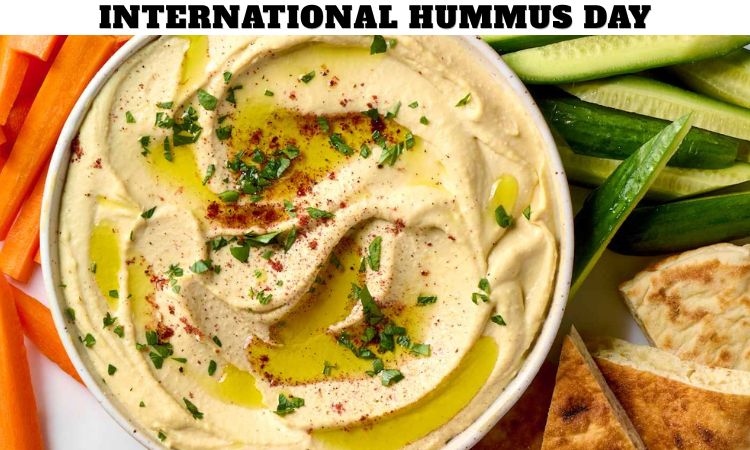
What Is International Hummus Day, and Why Is It Celebrated on May 13?
International Hummus Day, celebrated every year on May 13, is a global food celebration dedicated to one of the world’s most beloved and nutritious dishes: hummus. This creamy spread made primarily from chickpeas, tahini, olive oil, lemon juice, and garlic has become a culinary favorite across continents. The day honors hummus not only as a delicious food but also as a symbol of cultural connection, healthy eating, and shared traditions.
International Hummus Day encourages food lovers, chefs, restaurants, and families to enjoy hummus in creative ways while appreciating its deep roots in Middle Eastern cuisine. The observance has grown into a worldwide event with cooking demonstrations, tasting events, social media celebrations, and restaurant promotions taking place in many countries.
Hummus is valued for its versatility, nutritional benefits, and universal appeal. Whether served as a dip, spread, side dish, or snack, it continues to gain popularity among people of all ages and dietary preferences.
How Did International Hummus Day Begin?
International Hummus Day was established to celebrate the global popularity of hummus and promote cultural appreciation through food. The idea gained momentum as hummus became increasingly recognized around the world for its flavor, simplicity, and health benefits.
Food enthusiasts and culinary organizations saw an opportunity to dedicate a day to this iconic dish that brings people together across cultures. Over time, restaurants, chefs, and hummus brands embraced the celebration by organizing events, sharing recipes, and encouraging people to enjoy hummus in creative ways.
The observance also highlights the importance of traditional Middle Eastern cuisine and its influence on modern global food culture. Today, International Hummus Day is celebrated in homes, cafes, food festivals, and online communities around the world.
What Is Hummus Made From?
Traditional hummus is made from a simple combination of wholesome ingredients that create its smooth texture and rich flavor. The main ingredients include:
- Chickpeas
- Tahini
- Olive oil
- Lemon juice
- Garlic
- Salt
Chickpeas provide the creamy base and nutritional value, while tahini adds a nutty flavor and silky consistency. Olive oil contributes richness, and lemon juice gives hummus its refreshing taste.
Some modern recipes include additional ingredients such as roasted red peppers, avocado, herbs, olives, jalapeños, or beetroot to create unique flavor variations.
The simplicity of hummus is one reason for its widespread popularity. It can be prepared easily at home and customized according to personal preferences.
Why Is Hummus Considered a Healthy Food?
Hummus is widely recognized as a nutritious food packed with essential vitamins, minerals, fiber, and plant-based protein. It fits well into many healthy eating plans and is especially popular among vegetarians and vegans.
Some major health benefits of hummus include:
- High protein content
- Rich source of dietary fiber
- Contains healthy fats from olive oil and tahini
- Supports digestion
- Helps maintain energy levels
- Provides vitamins and minerals such as iron, magnesium, and folate
Hummus is also lower in unhealthy saturated fats compared to many processed snacks and dips. When paired with vegetables, whole-grain bread, or crackers, it becomes a balanced and satisfying snack option.
Its nutritional profile has contributed significantly to its global success in health-conscious food markets.
What Is the Cultural Importance of Hummus?
Hummus holds deep cultural significance in Middle Eastern and Mediterranean cuisines. It has been enjoyed for centuries in countries such as Lebanon, Israel, Palestine, Syria, Jordan, and Turkey.
In many cultures, hummus is more than just food. It represents hospitality, family traditions, and communal dining. It is often served during gatherings, celebrations, and shared meals where people eat together from a common plate.
The popularity of hummus has also helped introduce global audiences to Middle Eastern culinary traditions. Restaurants and food festivals worldwide now feature hummus as a staple menu item.
The dish symbolizes how food can connect people across different cultures, languages, and traditions through shared enjoyment and appreciation.
How Has Hummus Become Popular Around the World?
Hummus gained international popularity due to changing food trends, growing interest in healthy eating, and increased appreciation for global cuisines. Its rise in supermarkets, restaurants, and cafes transformed it from a regional specialty into a worldwide favorite.
Several factors contributed to its global success:
- Demand for healthy snack options
- Growth of vegetarian and vegan diets
- Popularity of Mediterranean cuisine
- Expansion of international food markets
- Social media food culture
- Convenience and versatility
Today, hummus is available in numerous flavors and varieties across grocery stores worldwide. It is commonly used in sandwiches, wraps, salads, bowls, and appetizers.
Its broad appeal comes from its ability to suit different dietary lifestyles while offering rich flavor and nutrition.
Why Is Hummus Popular Among Vegetarians and Vegans?
Hummus has become an essential food for vegetarians and vegans because it provides plant-based protein and healthy nutrients without relying on animal products.
Many people following meat-free diets use hummus as:
- A sandwich spread
- A protein-rich dip
- A salad topping
- A side dish
- A snack with vegetables or bread
The chickpeas in hummus are an excellent source of plant protein, while tahini adds healthy fats and minerals. This combination makes hummus both filling and nutritious.
Its creamy texture and savory taste also make it a satisfying alternative to dairy-based spreads and dips.
How Can People Celebrate International Hummus Day?
There are many enjoyable ways to celebrate International Hummus Day at home or within communities. Food lovers often use the occasion to explore different recipes and flavors while sharing meals with friends and family.
Popular ways to celebrate include:
- Making homemade hummus
- Visiting Middle Eastern restaurants
- Trying new hummus flavors
- Hosting hummus tasting parties
- Sharing recipes online
- Pairing hummus with healthy snacks
- Learning about Middle Eastern cuisine
Many restaurants and food companies also offer special promotions and limited-edition hummus dishes during the celebration.
The day encourages culinary creativity and appreciation for healthy global cuisine.
What Are the Most Popular Types of Hummus?
Traditional hummus remains the most widely enjoyed version, but modern culinary trends have introduced countless creative variations.
Popular hummus flavors include:
- Roasted garlic hummus
- Roasted red pepper hummus
- Spicy jalapeño hummus
- Beetroot hummus
- Avocado hummus
- Olive hummus
- Lemon herb hummus
- Sun-dried tomato hummus
These varieties allow people to experiment with taste while maintaining the creamy texture and nutritional benefits of traditional hummus.
Different regions and chefs also adapt hummus recipes using local ingredients and culinary influences.
How Does Hummus Fit Into Modern Healthy Eating Trends?
Modern consumers increasingly seek foods that are nutritious, natural, and minimally processed. Hummus aligns perfectly with these preferences due to its wholesome ingredients and balanced nutritional profile.
Health-focused diets often include hummus because it supports:
- Plant-based eating
- Mediterranean diets
- High-fiber nutrition plans
- Protein-rich snacking
- Weight management strategies
Hummus is frequently recommended as a healthier alternative to processed dips and high-calorie spreads. Its ability to satisfy hunger while providing essential nutrients makes it popular among fitness enthusiasts and health-conscious consumers.
The rise of wellness culture has further strengthened hummus’s place in global food markets.
What Role Does Chickpea Farming Play in Hummus Production?
Chickpeas are the foundation of hummus production, making agriculture an essential part of the dish’s global popularity. Chickpeas are grown in many countries and are valued for their nutritional benefits and environmental sustainability.
Compared to some other crops, chickpeas require relatively less water and can improve soil quality through nitrogen fixation. This makes them important for sustainable agriculture.
As global demand for hummus increases, chickpea farming continues expanding in regions such as:
- India
- Turkey
- Australia
- Canada
- Middle Eastern countries
The agricultural importance of chickpeas contributes not only to food production but also to rural economies and global trade.
Why Does International Hummus Day Continue to Grow in Popularity?
International Hummus Day continues growing because hummus appeals to modern food trends while maintaining strong cultural traditions. It combines flavor, nutrition, convenience, and versatility in a way few foods can match.
People across the world appreciate hummus because it suits various lifestyles and dietary preferences. It can be enjoyed as a healthy snack, party appetizer, meal ingredient, or traditional comfort food.
The celebration also reflects growing global interest in cultural exchange through cuisine. As more people explore international flavors, hummus serves as an accessible and beloved introduction to Middle Eastern food culture.
Its continued popularity ensures that International Hummus Day remains an exciting and meaningful annual celebration.
Frequently Asked Questions (FAQs)
1. When is International Hummus Day celebrated?
International Hummus Day is celebrated every year on May 13.
2. What is hummus made from?
Hummus is traditionally made from chickpeas, tahini, olive oil, lemon juice, garlic, and salt.
3. Why is hummus considered healthy?
Hummus contains protein, fiber, healthy fats, vitamins, and minerals that support balanced nutrition.
4. Where did hummus originate?
Hummus originated in the Middle East and remains an important part of Middle Eastern cuisine.
5. Is hummus suitable for vegans?
Yes, traditional hummus is completely plant-based and suitable for vegans.
6. How can people celebrate International Hummus Day?
People can celebrate by making hummus, trying new flavors, visiting restaurants, or hosting tasting events.
7. What are some popular hummus flavors?
Popular flavors include roasted garlic, red pepper, beetroot, avocado, and spicy jalapeño hummus.
8. Why are chickpeas important in hummus?
Chickpeas provide the creamy texture, protein, and nutritional value of hummus.
9. Can hummus be part of a healthy diet?
Yes, hummus is often included in healthy eating plans because it is nutritious and filling.
10. Why has hummus become globally popular?
Hummus became popular due to its health benefits, versatility, and growing interest in Mediterranean and Middle Eastern cuisine.