

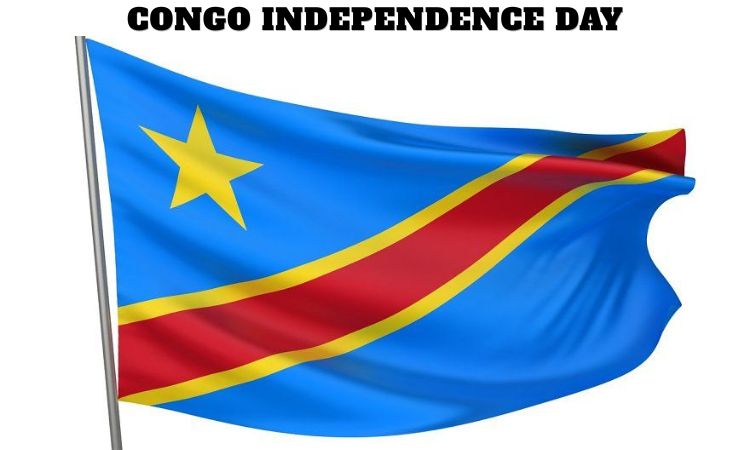
Why Is Congo Independence Day Celebrated on June 30?
Congo Independence Day is celebrated annually on June 30 to commemorate the independence of the Democratic Republic of the Congo from Belgian colonial rule in 1960. The day marks a pivotal moment in the nation’s history, symbolizing freedom, sovereignty, and self-determination for the Congolese people.
Before independence, the Congo endured decades of colonial administration under Belgium, a period marked by political, economic, and social challenges. The struggle for independence reflected the aspirations of the Congolese people to govern themselves and shape their own future. June 30, 1960, became a historic date when the country officially gained independence and emerged as a sovereign nation.
Today, Congo Independence Day serves as both a celebration of national freedom and a time for reflection on the country’s past, present, and future. Citizens honor the sacrifices made by independence leaders and reaffirm their commitment to national unity, peace, and development.
What Is the Historical Background of Congo Independence Day?
The history of Congo Independence Day is deeply connected to the country’s colonial experience. During the late nineteenth century, the territory that is now the Democratic Republic of the Congo came under the control of King Leopold II of Belgium as his personal possession, known as the Congo Free State.
The administration of the Congo Free State became infamous for widespread exploitation and human rights abuses. International criticism eventually forced the Belgian government to take direct control of the territory in 1908, renaming it the Belgian Congo.
Although colonial rule brought some infrastructure and administrative development, political participation for Congolese citizens remained extremely limited. By the mid-twentieth century, growing nationalist movements across Africa inspired Congolese leaders to demand self-government and independence.
Political activism intensified during the 1950s, with leaders advocating for equal rights and national sovereignty. One of the most prominent figures in the independence movement was Patrice Lumumba, who became a powerful voice for Congolese nationalism.
Following negotiations between Belgian authorities and Congolese representatives, independence was officially granted on June 30, 1960. On that day, the Republic of the Congo, later known as the Democratic Republic of the Congo, was born as an independent nation.
Who Were the Key Leaders in Congo’s Independence Movement?
Several influential leaders played critical roles in the struggle for Congolese independence. Among them, Patrice Lumumba remains one of the most celebrated national heroes.
Lumumba advocated strongly for immediate independence and national unity. He became the country’s first Prime Minister after independence and is remembered for his powerful speeches promoting freedom and dignity for the Congolese people.
Another important figure was Joseph Kasa-Vubu, who served as the nation’s first President. Kasa-Vubu played a significant role in political negotiations leading up to independence and helped guide the country during its early years as a sovereign state.
Numerous regional leaders, activists, intellectuals, trade unionists, and ordinary citizens also contributed to the independence movement. Their collective efforts helped achieve self-rule and inspired future generations.
The legacy of these leaders continues to influence the country’s national identity and democratic aspirations.
Why Is Congo Independence Day Important?
Congo Independence Day is one of the most significant national holidays in the Democratic Republic of the Congo because it commemorates the end of colonial rule and the beginning of self-governance.
The holiday symbolizes freedom, national pride, and the right of people to determine their own political future. It provides an opportunity for citizens to reflect on the sacrifices made by earlier generations in the pursuit of independence.
The observance also promotes patriotism and national unity in a country characterized by remarkable ethnic, linguistic, and cultural diversity. By celebrating together, citizens reaffirm their shared identity and commitment to building a stronger nation.
Additionally, the day encourages reflection on ongoing challenges and achievements. It serves as a reminder that independence is not only a historical event but also an ongoing process that requires responsible leadership, civic participation, and social progress.
How Is Congo Independence Day Celebrated?
Congo Independence Day is celebrated throughout the Democratic Republic of the Congo with various official and community events. The celebrations reflect national pride and cultural diversity.
Official ceremonies are usually organized by government institutions and often include speeches by political leaders, flag-raising ceremonies, and tributes to national heroes. These events emphasize the importance of unity, peace, and development.
Military parades are frequently held in major cities, showcasing the country’s armed forces and honoring those who have served the nation.
Cultural performances form an important part of the celebrations. Traditional music, dance performances, theatrical presentations, and artistic exhibitions highlight the rich heritage of the Congolese people.
Schools, universities, and community organizations may organize educational activities, discussions, and historical presentations focused on the independence movement and national history.
Families and communities also gather to celebrate with festive meals, social events, and local celebrations, strengthening social bonds and national pride.
What Challenges Did the Congo Face After Independence?
Although independence brought hope and optimism, the newly independent nation faced significant challenges almost immediately.
Political instability emerged shortly after independence due to internal divisions, regional tensions, and power struggles. The early years were marked by political crises, secessionist movements, and external interventions.
Economic difficulties also posed serious obstacles. The country inherited an economy largely structured to serve colonial interests, making the transition to independent governance particularly challenging.
Over the decades, the Democratic Republic of the Congo has experienced periods of conflict, political instability, and humanitarian crises. Despite these difficulties, the nation has continued to pursue peace, democratic reforms, and economic development.
Congo Independence Day therefore serves not only as a celebration of freedom but also as an opportunity to reflect on the country’s resilience and ongoing journey toward stability and prosperity.
How Does Congo Independence Day Promote National Unity?
The Democratic Republic of the Congo is one of Africa’s most culturally diverse countries, home to hundreds of ethnic groups and languages. In such a diverse nation, national holidays play an important role in fostering unity.
Congo Independence Day brings citizens together regardless of ethnic, regional, or linguistic differences. Shared celebrations strengthen a common sense of identity and belonging.
Educational programs organized during the holiday help younger generations learn about the nation’s history and appreciate the sacrifices made by independence leaders.
Public ceremonies, cultural festivals, and patriotic activities encourage citizens to focus on common aspirations rather than differences. These celebrations reinforce values such as solidarity, mutual respect, and national cohesion.
National unity remains essential for the country’s continued development, making Independence Day an important occasion for strengthening social harmony.
What Role Does Culture Play in Independence Day Celebrations?
Culture occupies a central place in Congo Independence Day celebrations. The Democratic Republic of the Congo is internationally recognized for its vibrant artistic traditions, especially music and dance.
Traditional and contemporary musical performances are featured prominently during celebrations. Congolese rumba and other musical genres reflect the country’s creativity and cultural richness.
Dance performances showcase regional traditions and highlight the diversity that characterizes Congolese society. Traditional attire, crafts, and local cuisine also form important elements of the festivities.
Cultural celebrations help preserve heritage while promoting national pride. They provide opportunities for communities to share traditions with younger generations and ensure that cultural practices continue to thrive.
By celebrating culture, Congo Independence Day strengthens the connection between historical memory and contemporary national identity.
How Can People Meaningfully Observe Congo Independence Day?
There are many meaningful ways to observe Congo Independence Day. Learning about the history of the country’s independence movement is an excellent starting point. Reading about independence leaders and understanding the challenges faced during the struggle for freedom can deepen appreciation for the holiday.
Attending cultural events, educational programs, or community celebrations offers opportunities to engage with Congolese heritage and traditions.
Schools and educational institutions can organize discussions, essay competitions, and exhibitions focused on national history and civic responsibility.
People can also use the occasion to promote values such as peace, unity, and social development. Volunteering in community projects or participating in civic initiatives reflects the spirit of national progress associated with Independence Day.
For members of the Congolese diaspora living abroad, the holiday provides an opportunity to celebrate their heritage and maintain connections with their homeland.
Why Does Congo Independence Day Continue to Matter Today?
Congo Independence Day remains highly relevant because it commemorates a defining moment in the nation’s history while inspiring citizens to work toward a better future.
The observance reminds people of the importance of freedom, self-determination, and responsible citizenship. It encourages reflection on both historical achievements and contemporary challenges.
As the Democratic Republic of the Congo continues to pursue development, peace, and democratic governance, Independence Day serves as a powerful symbol of resilience and hope.
The holiday also reinforces the importance of preserving historical memory. Remembering the struggles and sacrifices that led to independence helps ensure that future generations value freedom and remain committed to national progress.
Ultimately, Congo Independence Day celebrates not only political independence but also the enduring aspirations of the Congolese people for unity, prosperity, and lasting peace.
Frequently Asked Questions (FAQs)
1. When is Congo Independence Day celebrated?
Congo Independence Day is celebrated every year on June 30.
2. What does Congo Independence Day commemorate?
The holiday commemorates the independence of the Democratic Republic of the Congo from Belgium in 1960.
3. Who was Patrice Lumumba?
Patrice Lumumba was a leading independence activist and became the first Prime Minister of the Democratic Republic of the Congo.
4. Who was the first President of independent Congo?
Joseph Kasa-Vubu became the first President of the independent Congo.
5. Why is Congo Independence Day important?
It symbolizes freedom, sovereignty, national unity, and self-governance.
6. How is Congo Independence Day celebrated?
Celebrations include official ceremonies, military parades, cultural performances, educational programs, and community gatherings.
7. When did the Democratic Republic of the Congo gain independence?
The country gained independence on June 30, 1960.
8. What challenges did Congo face after independence?
The country experienced political instability, economic difficulties, and regional conflicts.
9. Why are cultural performances important during the celebrations?
They showcase the country’s rich heritage and strengthen national identity.
10. Why does Congo Independence Day remain relevant today?
It reminds citizens of the importance of freedom, unity, peace, and continued national development.