

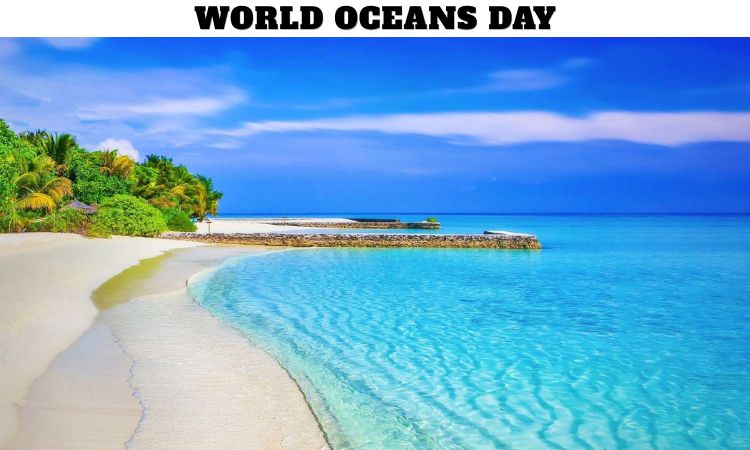
Why Is World Oceans Day Celebrated on June 8?
World Oceans Day is celebrated every year on June 8 to recognize the critical role oceans play in sustaining life on Earth and to encourage global action for their protection. The observance serves as a reminder that oceans are essential to the health of the planet, supporting biodiversity, regulating climate, providing food, generating oxygen, and sustaining millions of livelihoods worldwide.
Covering more than 70 percent of the Earth’s surface, oceans are among the planet’s most valuable natural resources. They connect continents, influence weather patterns, and support countless marine species. Despite their importance, oceans face growing threats from pollution, climate change, overfishing, habitat destruction, and other human activities.
World Oceans Day brings together governments, environmental organizations, researchers, businesses, educators, and individuals to promote awareness and inspire action. Through educational programs, conservation initiatives, and community events, people around the world work to protect marine ecosystems and ensure a sustainable future for generations to come.
The observance highlights the fact that everyone has a role to play in preserving ocean health, regardless of where they live. Even people far from coastlines can contribute to protecting marine environments through responsible choices and environmental stewardship.
What Is the History of World Oceans Day?
The concept of World Oceans Day was first proposed during the Earth Summit held in Rio de Janeiro, Brazil, in 1992. The idea was introduced by Canada to raise awareness about the importance of oceans and encourage global cooperation in marine conservation.
For many years, organizations and communities observed the day through various educational and environmental activities. In 2008, the United Nations officially recognized June 8 as World Oceans Day, providing international support and visibility for the observance.
Since then, World Oceans Day has grown into a global movement involving millions of participants from different countries. Annual themes often focus on pressing marine issues and encourage collaborative efforts to address environmental challenges.
The observance continues to serve as a platform for promoting ocean literacy, scientific research, sustainable practices, and international cooperation aimed at preserving one of Earth’s most important ecosystems.
Why Are Oceans Important to Life on Earth?
Oceans are fundamental to life on Earth. They play a crucial role in regulating the planet’s climate by absorbing heat and distributing it around the globe through ocean currents. These processes help maintain weather patterns and influence temperatures across continents.
Marine ecosystems also produce a significant portion of the oxygen people breathe. Tiny marine plants known as phytoplankton generate much of the world’s oxygen through photosynthesis, making healthy oceans essential for atmospheric balance.
Oceans provide food for billions of people and support industries such as fishing, tourism, transportation, and renewable energy. Coastal communities depend heavily on marine resources for economic stability and cultural identity.
Additionally, oceans are home to an extraordinary diversity of life. Coral reefs, deep-sea habitats, mangrove forests, and open-water ecosystems support countless species, many of which remain undiscovered.
The health of oceans directly affects human well-being, environmental stability, and global prosperity.
What Challenges Do Oceans Face Today?
Despite their importance, oceans face numerous environmental challenges. One of the most significant threats is pollution, particularly plastic waste. Millions of tons of plastic enter marine environments each year, harming wildlife and disrupting ecosystems.
Climate change is another major concern. Rising global temperatures contribute to ocean warming, sea-level rise, and changes in marine habitats. Warmer waters can affect species distribution and disrupt ecological balance.
Ocean acidification, caused by increased carbon dioxide absorption, threatens shell-forming organisms and coral reefs. These changes can have widespread consequences for marine food chains and biodiversity.
Overfishing also poses serious risks. Unsustainable fishing practices can deplete fish populations, damage habitats, and threaten the livelihoods of communities that depend on marine resources.
Habitat destruction, coastal development, and pollution from industrial and agricultural activities further contribute to environmental stress on ocean ecosystems.
World Oceans Day raises awareness of these challenges and promotes solutions aimed at protecting marine environments.
How Do Oceans Help Regulate Climate?
Oceans act as one of Earth’s most effective climate regulators. They absorb large amounts of solar energy and help distribute heat through currents that circulate around the globe. This process moderates temperatures and influences weather systems.
Marine ecosystems also play a key role in carbon storage. Oceans absorb significant quantities of carbon dioxide from the atmosphere, helping reduce the impact of greenhouse gas emissions.
Coastal ecosystems such as mangroves, seagrass meadows, and salt marshes are particularly effective at storing carbon. These habitats are often referred to as blue carbon ecosystems because of their ability to capture and retain carbon over long periods.
By helping regulate climate and store carbon, healthy oceans contribute to global efforts to address climate change and maintain environmental stability.
Protecting marine ecosystems is therefore essential not only for ocean health but also for broader climate resilience.
What Is the Role of Biodiversity in Ocean Health?
Biodiversity refers to the variety of living organisms within an ecosystem. In the ocean, biodiversity supports ecological balance and resilience.
Marine species perform important functions that contribute to healthy ecosystems. Fish, marine mammals, coral reefs, plankton, and countless other organisms interact in complex food webs that sustain life in the ocean.
High biodiversity helps ecosystems recover from disturbances such as storms, disease outbreaks, and environmental changes. Diverse ecosystems are generally more stable and better able to adapt to challenges.
Coral reefs, often called the rainforests of the sea, provide habitat for thousands of marine species. Similarly, mangroves and seagrass beds serve as important breeding and nursery grounds for fish and other wildlife.
Protecting biodiversity is a central goal of many conservation efforts because healthy ecosystems support both environmental and human well-being.
How Can Individuals Help Protect Oceans?
World Oceans Day emphasizes that everyone can contribute to ocean conservation. Small actions taken by individuals can collectively make a significant difference.
Reducing single-use plastics is one of the most effective ways to decrease marine pollution. Choosing reusable bags, bottles, and containers helps prevent plastic waste from entering waterways and oceans.
Proper waste disposal and recycling also support cleaner environments. Participating in local cleanup efforts can help remove litter before it reaches marine ecosystems.
Consumers can make informed choices by supporting sustainable seafood practices and environmentally responsible businesses. Conserving water and reducing energy consumption can also indirectly benefit oceans by reducing environmental impacts.
Education is another important tool. Learning about marine conservation and sharing knowledge with others helps build awareness and encourages positive action.
By adopting sustainable habits, individuals contribute to the protection of marine resources and ecosystems.
How Is World Oceans Day Celebrated Around the World?
World Oceans Day is observed through a wide variety of educational, environmental, and community-based activities. Schools often organize lessons, workshops, and projects focused on marine science and conservation.
Environmental organizations host beach cleanups, awareness campaigns, public events, and educational seminars. These activities encourage community participation and promote understanding of ocean-related issues.
Aquariums, museums, and research institutions frequently hold special programs that highlight marine biodiversity and conservation efforts. Exhibits, lectures, and interactive experiences help engage audiences of all ages.
Governments and international organizations may use the occasion to announce new conservation initiatives, policy commitments, or research findings related to marine protection.
Many people celebrate by spending time in nature, learning about marine ecosystems, and taking actions that support environmental sustainability.
Why Is Ocean Conservation Important for Future Generations?
The decisions made today will influence the health of oceans for decades to come. Future generations will depend on oceans for food, climate regulation, economic opportunities, and environmental stability.
Healthy oceans support fisheries that provide essential nutrition for billions of people. They also contribute to employment and economic development through industries such as tourism and transportation.
Protecting marine ecosystems ensures that future generations can continue to benefit from biodiversity, scientific discoveries, and natural resources. Conservation efforts help maintain ecosystem services that are critical to human survival and well-being.
Failure to address environmental threats could result in significant ecological and economic consequences. World Oceans Day encourages proactive measures that safeguard marine environments for future generations.
What Is the Future of Ocean Protection?
The future of ocean protection depends on collaboration among governments, scientists, businesses, communities, and individuals. Advances in technology are improving our ability to monitor marine ecosystems, track pollution, and develop sustainable solutions.
Marine protected areas are expanding in many parts of the world, helping preserve critical habitats and biodiversity. Scientific research continues to enhance understanding of ocean processes and environmental challenges.
International agreements and conservation initiatives play important roles in addressing issues such as pollution, overfishing, and climate change. Public awareness campaigns encourage behavioral changes that support sustainability.
World Oceans Day serves as a reminder that the future of oceans is closely linked to the future of humanity. By working together to protect marine ecosystems, people can help ensure that oceans remain healthy, productive, and resilient for generations to come.
Frequently Asked Questions (FAQs)
1. When is World Oceans Day celebrated?
World Oceans Day is celebrated annually on June 8.
2. What is the purpose of World Oceans Day?
The day raises awareness about the importance of oceans and promotes actions to protect marine ecosystems.
3. Who established World Oceans Day?
The idea was proposed during the 1992 Earth Summit, and the United Nations officially recognized the observance in 2008.
4. Why are oceans important?
Oceans regulate climate, produce oxygen, support biodiversity, provide food, and sustain livelihoods worldwide.
5. What are the biggest threats to oceans?
Major threats include pollution, climate change, overfishing, habitat destruction, and ocean acidification.
6. How do oceans help combat climate change?
Oceans absorb heat and carbon dioxide, helping regulate global temperatures and climate systems.
7. What is ocean biodiversity?
Ocean biodiversity refers to the variety of marine life that supports healthy and resilient ecosystems.
8. How can individuals help protect oceans?
People can reduce plastic use, recycle, support sustainable seafood, conserve resources, and participate in cleanups.
9. What are marine protected areas?
Marine protected areas are regions designated for conservation to safeguard ecosystems and biodiversity.
10. Why is World Oceans Day important?
It encourages global awareness, environmental responsibility, and collective action to protect the world’s oceans.