

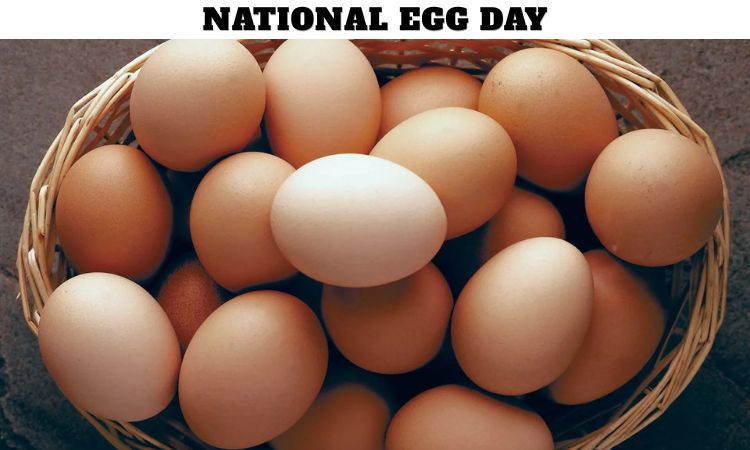
Why Is National Egg Day Celebrated on June 3?
National Egg Day is celebrated annually on June 3 to recognize one of the most versatile, nutritious, and widely consumed foods in the world. Eggs have been a staple ingredient in human diets for thousands of years and continue to play an essential role in countless cuisines and culinary traditions. The day honors the importance of eggs in cooking, baking, nutrition, and food culture while encouraging people to appreciate their remarkable versatility.
Whether served as a simple breakfast, incorporated into baked goods, or used as a key ingredient in complex recipes, eggs contribute flavor, texture, structure, and nutrition to a vast range of dishes. Their affordability and accessibility have made them a dietary staple for people across different cultures and economic backgrounds.
National Egg Day provides an opportunity to celebrate the many ways eggs enrich meals while also recognizing their nutritional value and significance in global food systems.
What Is the History of Eggs in Human Diets?
Eggs have been consumed by humans for thousands of years. Archaeological evidence suggests that ancient civilizations collected and ate eggs from wild birds long before domesticated poultry became common. As farming practices evolved, chickens were domesticated and became a reliable source of eggs for communities around the world.
Ancient cultures in Asia, Europe, Africa, and the Middle East incorporated eggs into their diets because they were nutritious, portable, and relatively easy to obtain. Over time, eggs became important ingredients in traditional recipes and culinary practices.
The widespread domestication of chickens significantly increased egg availability, making them a regular part of everyday meals. Advances in agriculture, transportation, and refrigeration further expanded access to eggs and contributed to their popularity.
Today, eggs remain one of the most commonly consumed foods worldwide and continue to serve as a cornerstone of countless culinary traditions.
Why Are Eggs Considered a Nutritional Powerhouse?
Eggs are often described as a nutritional powerhouse because they contain a wide range of essential nutrients in a relatively compact package. They provide high-quality protein, which contains all nine essential amino acids required by the human body.
In addition to protein, eggs contain vitamins and minerals such as vitamin A, vitamin D, vitamin B12, riboflavin, selenium, phosphorus, and choline. These nutrients support various bodily functions, including immune health, brain development, energy production, and bone maintenance.
Eggs are also valued because they provide significant nutritional benefits at a relatively low cost. Their nutrient density makes them an efficient food choice for people seeking balanced diets.
National Egg Day highlights the role eggs play in supporting healthy eating habits and providing important nutrients for individuals of all ages.
How Have Eggs Influenced Culinary Traditions Around the World?
Eggs have become an essential ingredient in cuisines across the globe. Different cultures have developed unique methods of preparing and incorporating eggs into their traditional dishes.
In many countries, eggs are commonly served as breakfast foods, appearing in omelets, scrambles, poached dishes, and fried preparations. In other culinary traditions, eggs are featured in soups, rice dishes, noodles, curries, and savory pastries.
Eggs also play a central role in baking. Cakes, cookies, breads, custards, and desserts often rely on eggs to provide structure, moisture, texture, and richness.
The adaptability of eggs has allowed them to become integrated into countless regional recipes, making them one of the most universally appreciated ingredients in global cuisine.
What Makes Eggs Such a Versatile Ingredient?
One reason eggs are so widely used is their remarkable versatility. Few ingredients can perform as many culinary functions as eggs. Depending on how they are prepared, eggs can act as a primary ingredient, binding agent, thickener, emulsifier, leavening component, or decorative element.
In baking, eggs help create structure and stability. In sauces and dressings, they assist with emulsification, allowing ingredients that would normally separate to blend smoothly. In desserts, eggs contribute richness and creaminess.
Eggs can also be cooked using numerous techniques, including boiling, frying, poaching, scrambling, baking, steaming, and grilling. Each method produces unique textures and flavors.
This extraordinary flexibility explains why eggs remain indispensable in professional kitchens and home cooking alike.
How Do Eggs Support Healthy Eating Habits?
Eggs can contribute to healthy eating habits when consumed as part of a balanced diet. Their high protein content helps promote satiety, which may assist people in feeling full for longer periods after meals.
Protein is essential for muscle maintenance, growth, and repair. Eggs also provide important vitamins and minerals that support overall health and wellness. Because they are relatively low in calories while offering substantial nutritional value, eggs are often included in meal plans focused on balanced nutrition.
Additionally, eggs pair well with vegetables, whole grains, fruits, and other nutritious foods. This makes them a convenient component of healthy meals throughout the day.
National Egg Day encourages people to explore nutritious ways of incorporating eggs into their diets while appreciating their role in supporting wellness.
Why Are Eggs Important in Baking?
Baking would be dramatically different without eggs. They perform several essential functions that contribute to the success of baked goods.
Eggs help bind ingredients together, creating stable structures in cakes, cookies, muffins, and breads. Their proteins coagulate during baking, providing strength and support to finished products.
They also contribute moisture, flavor, and richness while helping baked goods achieve desirable textures. In some recipes, whipped egg whites create air pockets that result in lighter and fluffier products.
Custards, meringues, soufflés, and many classic desserts depend heavily on the unique properties of eggs. Their importance in baking demonstrates why they remain one of the most valued ingredients in culinary arts.
How Are Eggs Produced and Distributed Today?
Modern egg production involves a sophisticated system that ensures eggs reach consumers safely and efficiently. Poultry farms specialize in raising hens that produce eggs for commercial distribution.
After collection, eggs undergo cleaning, inspection, grading, packaging, and transportation. Strict quality control measures help maintain food safety standards and product consistency.
Technological advancements have improved efficiency throughout the production process while enabling broader distribution networks. As a result, fresh eggs are available in supermarkets, grocery stores, and markets throughout much of the world.
National Egg Day also provides an opportunity to recognize the agricultural workers, farmers, distributors, and food industry professionals who contribute to making eggs accessible to consumers.
How Can Families Celebrate National Egg Day?
National Egg Day offers many fun and educational opportunities for families. Preparing egg-based meals together is one of the most popular ways to celebrate. Families can experiment with recipes such as omelets, quiches, frittatas, breakfast sandwiches, or baked goods.
Children may enjoy learning basic cooking skills through simple egg recipes while gaining an appreciation for nutrition and food preparation. Educational activities can include exploring the science behind eggs in cooking and baking.
Some families choose to host brunch gatherings featuring a variety of egg dishes, while others use the day to discover recipes from different cultures. Visiting local farms or farmers’ markets may also provide valuable insights into egg production and agriculture.
These activities help create meaningful experiences centered around food, learning, and family connection.
Why Does National Egg Day Continue to Be Relevant Today?
National Egg Day remains relevant because eggs continue to play a vital role in diets, culinary traditions, and food systems worldwide. Their affordability, nutritional value, and versatility make them an important ingredient for millions of people.
In an era when consumers increasingly seek convenient and nutrient-rich foods, eggs remain a dependable choice. They support a wide range of dietary preferences and cooking styles while offering exceptional flexibility in meal preparation.
The observance also highlights the cultural significance of food and the ways simple ingredients can connect people across generations and communities. Eggs have remained a constant presence in kitchens throughout history, adapting to changing tastes and culinary innovations.
As food trends evolve, eggs continue to maintain their place as one of the world’s most essential and appreciated ingredients. National Egg Day celebrates this enduring legacy while encouraging people to explore the many ways eggs contribute to delicious meals and balanced nutrition.
Every June 3, people come together to recognize the remarkable impact of eggs on cooking, baking, agriculture, and daily life. The holiday serves as a tribute to a humble yet extraordinary food that has nourished humanity for centuries and continues to play an important role in kitchens around the globe.
Frequently Asked Questions (FAQs)
1. When is National Egg Day celebrated?
National Egg Day is celebrated annually on June 3.
2. What is National Egg Day?
It is a food holiday that recognizes the importance, versatility, and nutritional value of eggs.
3. Why are eggs considered nutritious?
Eggs provide high-quality protein, vitamins, minerals, and other essential nutrients that support overall health.
4. How long have humans been eating eggs?
Humans have consumed eggs for thousands of years, dating back to ancient civilizations.
5. Why are eggs important in baking?
Eggs help bind ingredients, provide structure, add moisture, and contribute to texture and flavor.
6. What are some common ways to cook eggs?
Eggs can be boiled, fried, scrambled, poached, baked, steamed, or used in omelets and other dishes.
7. How can families celebrate National Egg Day?
Families can cook egg-based meals, try new recipes, learn about nutrition, or host brunch gatherings.
8. Are eggs used in cuisines around the world?
Yes, eggs are featured in countless dishes across diverse global culinary traditions.
9. What nutrients do eggs contain?
Eggs contain protein, vitamin A, vitamin D, vitamin B12, choline, selenium, and other important nutrients.
10. Why does National Egg Day remain popular?
The holiday celebrates a versatile and widely loved food that continues to play a major role in nutrition and cooking.