

Why Is National Chocolate Macaroon Day Celebrated on June 3?
National Chocolate Macaroon Day is celebrated annually on June 3 to honor one of the most beloved coconut-based desserts in the world. Chocolate macaroons combine the rich flavor of chocolate with the sweet, chewy texture of coconut, creating a treat that has delighted dessert lovers for generations.
Food holidays often recognize dishes and desserts that have earned a special place in culinary traditions, and chocolate macaroons are no exception. Their simplicity, distinctive taste, and versatility have made them a favorite at bakeries, family gatherings, holiday celebrations, and everyday dessert tables.
National Chocolate Macaroon Day provides an opportunity for people to enjoy these delicious treats, learn about their history, and experiment with new recipes. Whether purchased from a bakery or baked at home, chocolate macaroons offer a delightful combination of flavors that continues to attract fans around the world.
What Is a Chocolate Macaroon?
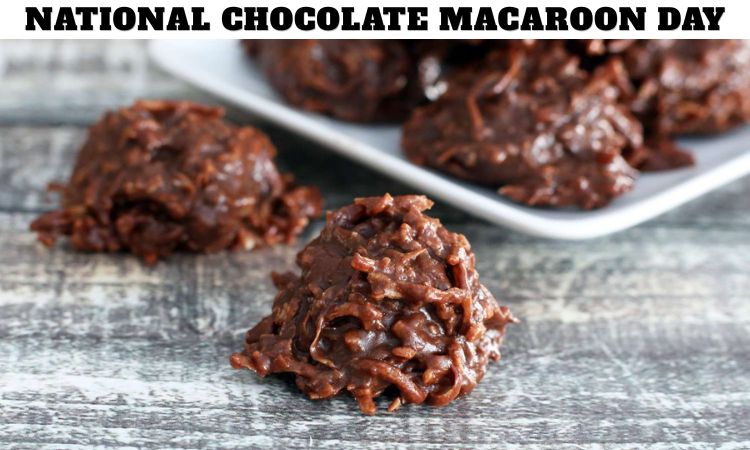
A chocolate macaroon is a sweet cookie-like dessert primarily made from shredded coconut, sugar, and egg whites, with chocolate incorporated into the recipe or used as a coating. The result is a chewy, moist confection with a rich coconut flavor enhanced by chocolate’s sweetness and depth.
Unlike many traditional cookies that rely heavily on flour, macaroons focus on coconut as the main ingredient. This gives them their distinctive texture and appearance. Some chocolate macaroons contain cocoa powder mixed into the batter, while others are dipped in melted chocolate after baking.
Chocolate macaroons are often formed into small mounds before baking, creating their characteristic shape. Once baked, they develop a lightly crisp exterior while remaining soft and chewy inside.
Their unique texture and flavor profile make them a popular dessert choice among people who enjoy coconut and chocolate combinations.
What Is the History of the Macaroon?
The history of the macaroon dates back several centuries and is believed to have roots in Italy. The name “macaroon” is thought to derive from the Italian word referring to a paste made from almonds.
Early macaroon recipes were based on ground almonds, sugar, and egg whites. As the dessert spread throughout Europe, regional variations emerged, adapting the recipe to local ingredients and preferences.
Coconut-based macaroons became particularly popular during the nineteenth century when shredded coconut became more widely available. The ingredient offered a practical alternative to almonds and created a distinct variation that quickly gained popularity.
Over time, bakers introduced chocolate to the recipe, creating the chocolate macaroon that many people enjoy today. The combination of coconut and chocolate proved to be a successful pairing, contributing to the dessert’s lasting appeal.
Why Are Chocolate Macaroons So Popular?
Chocolate macaroons have remained popular because they offer a unique combination of flavors and textures that appeals to a broad audience. The sweetness of coconut complements the richness of chocolate, creating a balanced and satisfying dessert experience.
Another reason for their popularity is their simplicity. The ingredient list is relatively short, and the preparation process is straightforward compared to many other baked goods. This accessibility makes them a favorite among both experienced bakers and beginners.
Chocolate macaroons are also versatile. They can be served as everyday treats, holiday desserts, party snacks, or gifts. Their elegant appearance and rich flavor make them suitable for both casual and formal occasions.
The enduring popularity of chocolate macaroons demonstrates how simple ingredients can create a dessert with widespread appeal.
How Are Chocolate Macaroons Different from French Macarons?
One common source of confusion involves the difference between macaroons and macarons. Although their names are similar, they are distinct desserts with different ingredients and preparation methods.
Chocolate macaroons are coconut-based cookies characterized by a chewy texture and rustic appearance. They are typically made from shredded coconut, sugar, egg whites, and chocolate.
French macarons, on the other hand, are delicate sandwich cookies made from almond flour, egg whites, and sugar. They feature smooth shells and a filling such as buttercream, ganache, or jam.
While both desserts have historical connections to similar culinary traditions, they have evolved into unique treats with separate identities. National Chocolate Macaroon Day specifically celebrates the coconut-based confection rather than the French macaron.
Why Is Coconut an Essential Ingredient in Chocolate Macaroons?
Coconut plays a central role in defining the flavor and texture of chocolate macaroons. Shredded coconut provides the chewiness and structure that distinguish macaroons from many other cookies and desserts.
The natural sweetness and tropical flavor of coconut pair exceptionally well with chocolate, creating a rich and satisfying combination. Coconut also contributes moisture, helping maintain the soft interior that macaroon enthusiasts appreciate.
Beyond flavor and texture, coconut has become closely associated with the identity of the dessert. Without coconut, a macaroon would lose many of the characteristics that make it recognizable.
The ingredient’s popularity in baking has helped chocolate macaroons remain a beloved dessert across multiple generations.
How Have Chocolate Macaroons Evolved Over Time?
Although traditional recipes remain popular, chocolate macaroons have evolved to reflect changing tastes and culinary trends. Modern bakers often experiment with additional ingredients to create unique flavor combinations.
Some recipes incorporate dark chocolate for a richer taste, while others use milk or white chocolate variations. Nuts, dried fruits, caramel, espresso, and sea salt are sometimes added to enhance complexity.
Health-conscious versions may use alternative sweeteners or incorporate organic and natural ingredients. Some recipes also accommodate dietary preferences by being naturally gluten-free.
These innovations demonstrate the adaptability of chocolate macaroons while preserving the core elements that have made them popular for decades.
How Can Families Celebrate National Chocolate Macaroon Day?
National Chocolate Macaroon Day offers numerous opportunities for families to celebrate together. Baking homemade chocolate macaroons is one of the most popular activities because it combines creativity, learning, and enjoyment.
Children can participate in measuring ingredients, shaping the macaroons, and decorating finished treats. This makes the holiday a fun and educational experience for all ages.
Families may also visit local bakeries to sample different macaroon varieties or host dessert gatherings featuring chocolate macaroons alongside other sweets. Sharing recipes and baking traditions can help strengthen family connections while creating lasting memories.
The holiday provides a perfect excuse to enjoy quality time together through the universal appeal of homemade desserts.
What Makes Chocolate Macaroons a Popular Holiday Treat?
Chocolate macaroons are frequently associated with holiday celebrations because of their rich flavor, festive appearance, and ease of preparation. They are commonly included on dessert trays during seasonal gatherings and special occasions.
Their compact size makes them convenient for serving at parties, while their sweet flavor appeals to guests of all ages. Chocolate-dipped macaroons, in particular, often appear elegant enough for formal celebrations.
Many families have traditional macaroon recipes that are passed down through generations. These recipes contribute to the dessert’s emotional significance and help maintain cultural and family traditions.
The combination of nostalgia, flavor, and versatility has helped establish chocolate macaroons as a favorite holiday dessert.
Why Does National Chocolate Macaroon Day Continue to Be Celebrated?
National Chocolate Macaroon Day continues to be celebrated because it honors a dessert that has stood the test of time. Despite changing food trends and the introduction of countless new sweets, chocolate macaroons remain a cherished favorite.
The holiday encourages people to appreciate the artistry and tradition of baking while enjoying a simple yet satisfying treat. It also highlights the role that desserts play in bringing people together and creating joyful experiences.
Social media, food blogs, and culinary enthusiasts have helped sustain interest in chocolate macaroons by sharing recipes, baking tips, and creative variations. As a result, new generations continue to discover and enjoy the dessert.
National Chocolate Macaroon Day serves as a reminder that some of the most beloved foods are those that combine tradition, simplicity, and exceptional flavor. Every June 3, dessert lovers celebrate the rich history and enduring popularity of chocolate macaroons, ensuring that this classic treat remains an important part of culinary culture for years to come.
Frequently Asked Questions (FAQs)
1. When is National Chocolate Macaroon Day celebrated?
National Chocolate Macaroon Day is celebrated annually on June 3.
2. What is a chocolate macaroon?
A chocolate macaroon is a coconut-based dessert made with shredded coconut, sugar, egg whites, and chocolate.
3. Are macaroons and macarons the same thing?
No, macaroons are coconut-based treats, while macarons are French sandwich cookies made with almond flour.
4. What is the main ingredient in a chocolate macaroon?
Shredded coconut is the primary ingredient in most chocolate macaroon recipes.
5. Why are chocolate macaroons popular?
They are loved for their chewy texture, rich chocolate flavor, and sweet coconut taste.
6. Are chocolate macaroons gluten-free?
Many traditional chocolate macaroon recipes are naturally gluten-free, though ingredients should always be checked.
7. How can people celebrate National Chocolate Macaroon Day?
People can bake homemade macaroons, visit bakeries, try new recipes, or share the dessert with friends and family.
8. Where did macaroons originate?
Macaroons are believed to have originated in Italy before spreading throughout Europe and beyond.
9. Can chocolate macaroons be customized?
Yes, bakers often add nuts, caramel, dried fruit, or different types of chocolate to create unique variations.
10. Why is June 3 dedicated to chocolate macaroons?
The day recognizes the popularity, history, and enduring appeal of chocolate macaroons as a beloved dessert.