

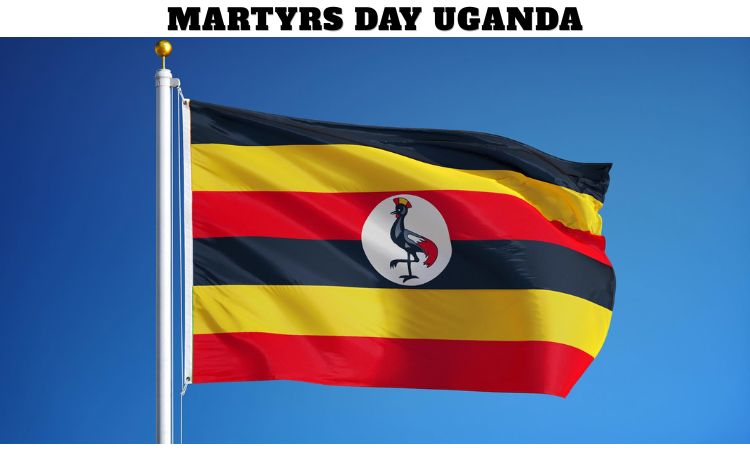
Why Is Martyrs Day Uganda Celebrated on June 3?
Martyrs Day Uganda is observed every year on June 3 to honor the courage, faith, and sacrifice of the Uganda Martyrs, a group of young Christian converts who were executed between 1885 and 1887 in the historical Kingdom of Buganda. The day is one of the most important religious observances in Uganda and attracts millions of pilgrims from across Africa and around the world.
The commemoration recognizes individuals who remained steadfast in their Christian beliefs despite facing persecution and death. Their story has become a powerful symbol of faith, conviction, and spiritual commitment. For many believers, Martyrs Day is not only a remembrance of historical events but also an opportunity for prayer, reflection, and renewal of faith.
Every year, large gatherings take place at important pilgrimage sites where worshippers come together to celebrate the legacy of the martyrs and honor their enduring impact on Christianity in Africa.
Who Were the Uganda Martyrs?
The Uganda Martyrs were a group of Christian converts, including both Catholics and Anglicans, who were executed during the reign of Mwanga II, the king of the Kingdom of Buganda. Most of the martyrs were young men serving in the royal court.
During the late nineteenth century, Christianity was spreading rapidly throughout Buganda through the efforts of missionaries and local converts. Many young people embraced the Christian faith and began practicing its teachings despite increasing opposition from political and traditional authorities.
The martyrs refused to renounce their religious beliefs even when threatened with severe punishment. Their steadfast commitment ultimately led to their execution, making them symbols of religious devotion and courage.
Today, they are remembered as pioneers of Christianity in Uganda and throughout Africa.
What Historical Events Led to the Martyrdom?
The events that led to the martyrdom occurred during a period of significant social, political, and religious change in Buganda. New religious influences, including Christianity and Islam, were entering the kingdom and interacting with established traditions and political structures.
King Mwanga II became increasingly concerned about the growing influence of Christianity among members of his court. He viewed some aspects of the new faith as a challenge to his authority and to traditional customs.
As tensions increased, Christian converts were pressured to abandon their beliefs. Many refused, choosing instead to remain faithful to their convictions. Between 1885 and 1887, numerous converts were arrested and executed for their refusal to renounce Christianity.
These events became a defining chapter in Uganda’s religious history and contributed significantly to the growth of Christianity throughout the region.
Why Are the Uganda Martyrs Important in Christian History?
The Uganda Martyrs hold a special place in Christian history because their sacrifice demonstrated extraordinary faith under persecution. Their willingness to remain committed to their beliefs despite facing death inspired future generations of Christians both in Africa and around the world.
Their story illustrates themes of courage, loyalty, integrity, and spiritual conviction. The martyrs became examples of individuals who placed their faith above personal safety and worldly concerns.
The impact of their witness extended beyond Uganda. Their story encouraged the spread of Christianity across East Africa and helped strengthen Christian communities throughout the continent.
Today, the Uganda Martyrs are recognized as important figures whose legacy continues to inspire believers of different denominations and backgrounds.
What Happened at Namugongo?
The most well-known events associated with the Uganda Martyrs took place at Namugongo, which has become one of Africa’s most significant Christian pilgrimage destinations.
Many of the martyrs were brought to Namugongo and executed there after refusing to abandon their faith. The location later became a place of remembrance and spiritual significance for Christians.
Today, Namugongo is home to major shrines and memorials that commemorate the martyrs’ sacrifice. Every year, millions of pilgrims travel to the site to participate in prayers, religious services, and commemorative events.
The pilgrimage to Namugongo symbolizes devotion, faith, and respect for the individuals whose sacrifice helped shape the history of Christianity in Uganda.
How Did the Uganda Martyrs Influence Christianity in Africa?
The martyrdom of these young believers had a profound impact on the growth of Christianity throughout Africa. Rather than discouraging religious conversion, their sacrifice inspired many people to embrace the Christian faith.
The courage displayed by the martyrs demonstrated that Christianity had taken deep root within local communities. Their example encouraged others to remain committed to their beliefs despite challenges and opposition.
Missionaries and church leaders often pointed to the Uganda Martyrs as evidence of the strength and vitality of African Christianity. Their story helped foster indigenous leadership within Christian communities and contributed to the expansion of churches throughout East Africa.
Today, the Uganda Martyrs are widely regarded as symbols of African Christian identity and spiritual resilience.
Why Is June 3 the Official Date of Commemoration?
June 3 was chosen because it marks the date when a large group of the martyrs was executed at Namugongo in 1886. This event became the central moment in the broader history of persecution and sacrifice associated with the Uganda Martyrs.
Over time, June 3 evolved into the official day of remembrance and celebration. Religious communities, government institutions, and citizens across Uganda observe the day through various activities and ceremonies.
The annual commemoration provides an opportunity to reflect on the values demonstrated by the martyrs and to honor their contributions to the nation’s religious heritage.
As a public holiday in Uganda, June 3 holds both religious and cultural significance for millions of people.
How Do People Celebrate Martyrs Day Uganda?
Martyrs Day Uganda is marked by large-scale religious gatherings, prayer services, processions, and pilgrimages. Many participants travel long distances on foot, sometimes covering hundreds of kilometers, to reach pilgrimage sites such as Namugongo.
Church services form a central part of the celebrations. Worshippers gather for prayer, scripture readings, sermons, and special commemorative ceremonies dedicated to the martyrs.
Pilgrims often spend days preparing spiritually and physically for the journey. Many view the pilgrimage as an act of devotion, sacrifice, and gratitude.
The day also includes educational activities that help people learn about the history of the martyrs and their significance in Uganda’s religious and cultural development.
What Lessons Can Be Learned from the Uganda Martyrs?
The story of the Uganda Martyrs offers valuable lessons about courage, conviction, integrity, and faithfulness. Their lives demonstrate the importance of standing by deeply held beliefs even in the face of adversity.
The martyrs also remind people of the importance of religious freedom and respect for individual conscience. Their experience highlights the challenges that can arise when personal beliefs conflict with political or social pressures.
Many people find inspiration in the martyrs’ willingness to make personal sacrifices for principles they considered sacred. Their story encourages reflection on the values of commitment, perseverance, and moral courage.
These lessons continue to resonate with people of different backgrounds, making the Uganda Martyrs relevant far beyond their historical context.
Why Does Martyrs Day Uganda Remain Significant Today?
Martyrs Day Uganda remains significant because it connects modern generations with an important chapter of the nation’s spiritual and cultural heritage. The observance honors individuals whose sacrifice influenced the religious development of Uganda and much of Africa.
The annual commemoration also promotes unity among believers who gather from different countries, cultures, and denominations to remember a shared history. It serves as a reminder of the enduring power of faith and the impact that individual acts of courage can have on society.
In addition to its religious importance, the day contributes to cultural preservation by keeping the story of the martyrs alive through education, storytelling, and community participation.
Every June 3, millions of people reflect on the legacy of the Uganda Martyrs and the values they embodied. Their example continues to inspire faith, resilience, and dedication more than a century after their sacrifice. Through prayer, pilgrimage, and remembrance, Martyrs Day Uganda honors a remarkable group of individuals whose influence continues to shape lives across generations and continents.
Frequently Asked Questions (FAQs)
1. When is Martyrs Day Uganda celebrated?
Martyrs Day Uganda is celebrated annually on June 3.
2. Who were the Uganda Martyrs?
They were a group of Christian converts executed between 1885 and 1887 in the Kingdom of Buganda for refusing to abandon their faith.
3. Why are the Uganda Martyrs important?
They are honored for their courage, faith, and contribution to the growth of Christianity in Africa.
4. Where were many of the martyrs executed?
Many were executed at Namugongo, which is now a major pilgrimage site in Uganda.
5. Who was King Mwanga II?
Mwanga II was the Kabaka, or king, of Buganda during the period when the martyrs were executed.
6. Why is June 3 significant?
June 3 marks the date when a large group of the Uganda Martyrs was executed at Namugongo in 1886.
7. How do people observe Martyrs Day Uganda?
People participate in pilgrimages, prayer services, religious ceremonies, and educational activities.
8. Is Martyrs Day a public holiday in Uganda?
Yes, June 3 is recognized as a public holiday in Uganda.
9. Why do pilgrims travel to Namugongo?
Pilgrims visit Namugongo to honor the martyrs, pray, and participate in commemorative celebrations.
10. What lessons do the Uganda Martyrs teach?
Their story teaches courage, faithfulness, perseverance, integrity, and commitment to personal beliefs.