

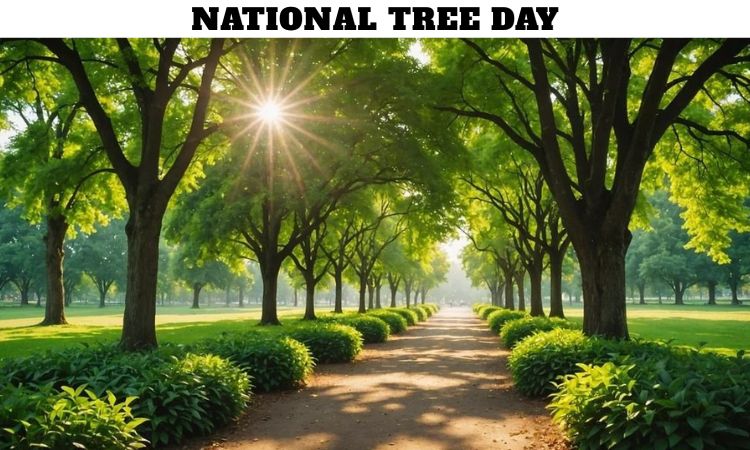
What Is National Tree Day and Why Is It Celebrated on July 26?
National Tree Day, observed on July 26, is a special occasion dedicated to recognizing the incredible value of trees and encouraging people to plant, protect, and preserve them for future generations. Trees are among the most important natural resources on Earth because they provide oxygen, absorb carbon dioxide, improve air quality, conserve water, support wildlife, and create healthier communities. National Tree Day reminds individuals, families, schools, businesses, and organizations that even a single tree can make a meaningful difference in protecting the environment.
As climate change, deforestation, and urban development continue to affect ecosystems worldwide, National Tree Day serves as an opportunity to inspire environmental responsibility. Planting trees is one of the simplest yet most effective actions people can take to improve the planet. Whether someone plants a tree in their backyard, volunteers in a community planting event, or simply learns more about forest conservation, every effort contributes to a greener and healthier world.
The celebration also highlights the emotional, cultural, and economic importance of trees. Throughout history, civilizations have depended on forests for food, shelter, medicine, and livelihoods. Today, trees continue to enrich lives by beautifying neighborhoods, reducing pollution, lowering temperatures, and providing peaceful spaces where people can relax and reconnect with nature.
How Did National Tree Day Begin?
National Tree Day has its roots in environmental conservation movements that encourage communities to appreciate and protect trees. Various countries celebrate Tree Day on different dates, but the underlying purpose remains the same: promoting tree planting and environmental awareness.
The idea gained momentum as governments, schools, environmental organizations, and volunteers recognized that forests were disappearing at an alarming rate due to urbanization, agriculture, logging, and climate change. Tree-planting campaigns became an effective way to involve citizens in conservation efforts while educating younger generations about sustainability.
Over the years, National Tree Day has evolved into a community-driven event where millions of people participate in educational programs, tree-planting activities, environmental workshops, and conservation initiatives. The celebration demonstrates that protecting nature is a shared responsibility that requires collective action from individuals, businesses, and governments alike.
Why Are Trees Essential for Life on Earth?
Trees are often referred to as the lungs of the planet because they produce oxygen through photosynthesis while absorbing carbon dioxide from the atmosphere. This natural process helps maintain a healthy balance of gases that supports life on Earth.
Beyond oxygen production, trees regulate temperatures by providing shade and reducing the urban heat island effect. Their roots stabilize soil, preventing erosion and reducing the risk of landslides and flooding. Forests also play a critical role in the water cycle by absorbing rainfall, replenishing groundwater, and reducing surface runoff.
Trees provide habitats for countless species of birds, mammals, insects, and microorganisms. Biodiversity depends heavily on healthy forests, making tree conservation essential for maintaining balanced ecosystems.
In addition to environmental benefits, trees contribute significantly to human health. Green spaces reduce stress, encourage physical activity, improve mental well-being, and create more attractive communities. Research consistently shows that neighborhoods with abundant trees experience cleaner air, cooler temperatures, and improved quality of life.
How Do Trees Help Fight Climate Change?
Climate change is one of the greatest environmental challenges facing humanity, and trees are powerful allies in addressing this global issue. Trees naturally capture carbon dioxide from the atmosphere and store carbon in their trunks, branches, roots, and surrounding soil. This process reduces greenhouse gases that contribute to global warming.
Large forests serve as carbon sinks, absorbing millions of tons of carbon dioxide each year. Reforestation and afforestation projects are increasingly recognized as essential strategies for slowing climate change and restoring damaged ecosystems.
Trees also reduce energy consumption by shading buildings during summer and acting as windbreaks during winter. This lowers heating and cooling costs while reducing greenhouse gas emissions associated with electricity generation.
Although tree planting alone cannot solve climate change, combining forest conservation with sustainable energy, reduced emissions, and responsible land management creates a stronger environmental strategy for protecting the planet.
What Benefits Do Trees Provide to Communities?
Communities with abundant trees enjoy numerous environmental, economic, and social advantages. Tree-lined streets improve neighborhood aesthetics, increase property values, and create more inviting public spaces.
Businesses located in greener areas often attract more visitors because attractive landscapes encourage people to spend time outdoors. Parks filled with mature trees provide recreational opportunities for families while supporting physical and mental health.
Trees improve public health by filtering pollutants such as dust, smoke, and harmful gases from the air. They also reduce noise pollution by acting as natural sound barriers between busy roads and residential areas.
Children benefit from access to green environments because outdoor activities encourage exercise, creativity, and environmental awareness. Schools that incorporate nature into learning experiences help students develop a lifelong appreciation for conservation and sustainability.
How Can Individuals Celebrate National Tree Day?
National Tree Day offers countless opportunities for meaningful participation regardless of age or location. Planting a tree remains the most popular activity because it creates a lasting environmental contribution that benefits future generations.
People can volunteer with local environmental organizations involved in tree planting, forest restoration, or park maintenance. Families may celebrate by visiting botanical gardens, nature reserves, or national parks to learn about native tree species and ecosystems.
Schools often organize educational projects that teach students about biodiversity, climate change, and forest conservation. Art competitions, science projects, storytelling sessions, and environmental workshops encourage children to become responsible environmental stewards.
Homeowners can also celebrate by caring for existing trees through proper watering, mulching, pruning, and protection from pests or disease. Supporting organizations dedicated to forest conservation represents another valuable way to contribute to environmental preservation.
What Threats Are Trees Facing Around the World?
Despite their importance, trees face numerous threats that continue to reduce forest coverage globally. Deforestation remains one of the most serious challenges, driven by agricultural expansion, urban development, illegal logging, mining, and infrastructure projects.
Climate change creates additional stress through rising temperatures, prolonged droughts, stronger storms, and increased wildfires. Many forests struggle to adapt to rapidly changing environmental conditions, making them more vulnerable to disease and insect infestations.
Pollution also affects tree health by contaminating soil, water, and air. Invasive plant species compete with native trees for nutrients and space, disrupting local ecosystems.
Protecting forests requires coordinated efforts involving governments, conservation organizations, businesses, and individuals. Sustainable forestry practices, stricter environmental regulations, and increased public awareness are essential for preserving tree populations worldwide.
Why Is Teaching Children About Trees Important?
Children represent the future caretakers of the planet, making environmental education an essential part of building sustainable societies. Teaching young people about trees helps them understand the connection between healthy ecosystems and human well-being.
Hands-on activities such as planting saplings, identifying tree species, observing wildlife, and participating in nature walks encourage curiosity and appreciation for the natural world. These experiences often inspire lifelong environmental responsibility.
Schools can integrate tree-related topics into science, geography, biology, and environmental studies, helping students understand ecological processes while developing practical conservation skills.
Parents also play an important role by encouraging outdoor exploration, discussing environmental challenges, and demonstrating sustainable habits at home. Together, families and educators can foster a generation committed to protecting forests and biodiversity.
What Can Everyone Do to Protect Trees Every Day?
Protecting trees extends beyond planting new ones. Everyday choices significantly influence forest conservation and environmental sustainability. Reducing paper waste by using digital alternatives, recycling paper products, and purchasing sustainably sourced wood products helps decrease pressure on forests.
Supporting companies committed to responsible forestry encourages environmentally friendly business practices. Conserving water, reducing energy consumption, and minimizing pollution also contribute to healthier ecosystems where trees can thrive.
Individuals should avoid damaging tree roots during construction or landscaping projects and report illegal logging activities when observed. Participating in local cleanup campaigns helps maintain healthy environments around parks, forests, and urban green spaces.
Small daily actions, when practiced consistently by millions of people, collectively create meaningful environmental improvements that benefit communities and future generations.
How Does National Tree Day Inspire a Greener Future?
National Tree Day is far more than an annual celebration—it is a reminder that the health of humanity is closely connected to the health of forests. Every tree planted today becomes part of a larger environmental legacy that supports cleaner air, healthier ecosystems, greater biodiversity, and improved quality of life.
As environmental challenges continue to grow, tree conservation becomes increasingly important for creating resilient communities capable of adapting to climate change. Governments, organizations, schools, and individuals all share responsibility for preserving forests and expanding green spaces.
The simple act of planting and caring for a tree symbolizes hope, responsibility, and commitment to future generations. National Tree Day encourages everyone to recognize that lasting environmental change begins with small but meaningful actions. By protecting trees today, people help create a healthier, greener, and more sustainable world where both nature and humanity can flourish together.
Frequently Asked Questions (FAQs)
1. When is National Tree Day celebrated?
National Tree Day is observed annually on July 26 to promote tree planting and environmental conservation.
2. What is the purpose of National Tree Day?
The day raises awareness about the importance of trees and encourages individuals and communities to plant and protect them.
3. Why are trees important for the environment?
Trees produce oxygen, absorb carbon dioxide, improve air quality, prevent soil erosion, conserve water, and support wildlife habitats.
4. How can I celebrate National Tree Day?
You can plant a tree, volunteer at a tree-planting event, visit a park, educate others about conservation, or care for existing trees.
5. How do trees help reduce climate change?
Trees capture carbon dioxide from the atmosphere and store carbon, helping reduce greenhouse gases and global warming.
6. Can children participate in National Tree Day activities?
Yes. Children can join tree-planting programs, nature walks, educational workshops, and school environmental projects.
7. What are the biggest threats to trees today?
Deforestation, climate change, pollution, wildfires, invasive species, and unsustainable land use are major threats.
8. How do trees benefit cities?
Trees cool urban areas, improve air quality, reduce noise pollution, increase property values, and create healthier living environments.
9. Why should communities invest in tree planting?
Tree planting improves biodiversity, enhances public health, reduces pollution, and creates greener, more sustainable neighborhoods.
10. What is the message of National Tree Day?
The day encourages everyone to value, plant, protect, and preserve trees to ensure a healthier planet for future generations.