

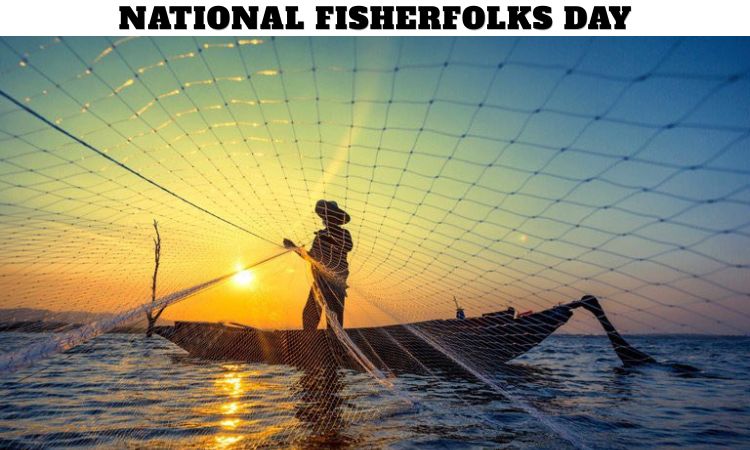
Why Is National Fisherfolks Day Celebrated on May 31?
National Fisherfolks Day, observed annually on May 31, is a special occasion dedicated to recognizing the invaluable contributions of fisherfolk to society, the economy, food security, and cultural heritage. Fishing communities have played a vital role in human civilization for thousands of years, providing food, employment, and economic opportunities while maintaining traditions that connect people to rivers, lakes, seas, and oceans.
This observance serves as a reminder of the hard work, dedication, and resilience of fisherfolk who often face challenging environmental conditions, unpredictable weather, and economic uncertainties. National Fisherfolks Day highlights their importance in sustaining local communities and supporting national economies through fisheries and related industries.
The celebration also emphasizes the need to protect marine ecosystems, promote sustainable fishing practices, and improve the welfare of fishing communities. By honoring fisherfolk, we acknowledge their essential role in maintaining food supplies and preserving valuable cultural traditions that have been passed down through generations.
Who Are Fisherfolk and Why Are They Important?
Fisherfolk are individuals and communities whose livelihoods depend on fishing and related activities. This includes fishers who harvest fish and other aquatic resources, as well as those involved in fish processing, transportation, marketing, boat building, net making, and aquaculture.
These communities form the backbone of the fisheries sector in many countries. Their work provides a critical source of protein and nutrition for millions of people around the world. Fish and seafood remain among the most important food resources globally, contributing significantly to healthy diets and food security.
Beyond food production, fisherfolk support local economies by generating employment opportunities and contributing to trade. Coastal and inland fishing communities often serve as economic centers that sustain markets, businesses, and supporting industries.
National Fisherfolks Day recognizes that the success of fisheries depends on the knowledge, skills, and dedication of these hardworking individuals.
How Did National Fisherfolks Day Begin?
National Fisherfolks Day originated as a way to honor fishing communities and raise awareness about the challenges and opportunities within the fisheries sector. Over time, governments, organizations, and community groups recognized the importance of dedicating a day to acknowledging the contributions of fisherfolk.
The observance encourages public appreciation for those who work in fisheries and promotes discussions about sustainable resource management. It also highlights the social and economic issues affecting fishing communities, including environmental changes, resource conservation, and access to modern technologies.
As awareness of marine conservation and sustainable development has grown, National Fisherfolks Day has become increasingly important. The celebration serves as a platform for recognizing both traditional fishing practices and modern innovations that support responsible fisheries management.
Why Are Fishing Communities Essential to Food Security?
Food security depends on reliable access to nutritious and affordable food sources. Fishing communities play a crucial role in achieving this goal by supplying fish and seafood to local, national, and international markets.
Fish is one of the most widely consumed sources of animal protein in the world. It provides essential nutrients such as omega-3 fatty acids, vitamins, minerals, and high-quality protein that contribute to healthy diets.
For many coastal and island populations, fish serves as a primary source of nutrition and livelihood. Fishing communities ensure that these resources remain available through their daily efforts on rivers, lakes, and oceans.
National Fisherfolks Day highlights the direct connection between fisherfolk and global food systems, reminding society of the importance of supporting sustainable fisheries that can continue providing nutritious food for future generations.
What Challenges Do Fisherfolk Face Today?
Despite their significant contributions, fisherfolk often encounter numerous challenges that affect their livelihoods and well-being.
Climate change is one of the most pressing concerns facing fishing communities. Rising sea temperatures, changing weather patterns, stronger storms, and shifting fish populations can impact fishing operations and reduce catches.
Overfishing and habitat degradation also threaten marine ecosystems and fish stocks. When resources decline, fishing communities may experience economic hardships and reduced income opportunities.
Pollution presents another major challenge. Plastic waste, industrial runoff, and other contaminants can harm aquatic ecosystems and affect fish populations.
Economic difficulties, limited access to modern equipment, fluctuating market prices, and inadequate infrastructure further complicate the lives of many fisherfolk.
National Fisherfolks Day provides an opportunity to raise awareness about these issues and encourage solutions that support sustainable livelihoods.
How Do Fisherfolk Contribute to Local Economies?
The fisheries sector generates employment for millions of people worldwide. Fisherfolk contribute directly to economic growth through harvesting, processing, transporting, and selling fish and seafood products.
Many small businesses depend on fisheries-related activities. Fish markets, seafood restaurants, processing facilities, transportation services, and equipment suppliers all benefit from the work of fishing communities.
In coastal regions, fishing often serves as a major economic driver that supports entire communities. Tourism industries may also benefit from fishing traditions, seafood cuisine, and cultural attractions associated with maritime heritage.
By supporting economic activity across multiple sectors, fisherfolk help create jobs and contribute to regional development.
National Fisherfolks Day recognizes these economic contributions and emphasizes the importance of investing in sustainable fisheries.
Why Is Sustainable Fishing Important?
Sustainable fishing ensures that aquatic resources remain available for future generations while maintaining healthy ecosystems and supporting livelihoods.
Responsible fishing practices help prevent overfishing and protect marine biodiversity. Sustainable approaches include observing catch limits, using environmentally friendly gear, protecting breeding grounds, and respecting seasonal fishing regulations.
Healthy fish populations are essential for maintaining ecological balance within aquatic environments. Sustainable fisheries contribute to the long-term stability of marine ecosystems and help preserve valuable species.
Fishing communities often possess extensive knowledge of local ecosystems and resource management practices. Their participation is essential for developing effective conservation strategies.
National Fisherfolks Day encourages greater awareness of sustainability and highlights the role fisherfolk play in protecting aquatic resources.
How Do Traditional Fishing Practices Preserve Cultural Heritage?
Fishing traditions are deeply woven into the cultural identities of many communities around the world. Techniques, stories, customs, songs, and ceremonies associated with fishing have been passed down through generations.
Traditional fishing methods often reflect centuries of accumulated knowledge about local environments, weather patterns, fish behavior, and resource management. These practices represent valuable cultural heritage that deserves preservation.
Fishing festivals, community gatherings, and cultural celebrations frequently honor maritime traditions and strengthen social bonds within communities.
National Fisherfolks Day recognizes not only the economic importance of fisheries but also their cultural significance. By celebrating fishing traditions, communities help preserve their unique identities and historical connections to aquatic environments.
How Can Communities Support Fisherfolk?
Supporting fisherfolk requires a combination of public awareness, responsible consumer choices, and policy initiatives.
Consumers can contribute by purchasing seafood from sustainable sources and supporting local fishing communities whenever possible. Responsible seafood consumption encourages environmentally sound practices and strengthens local economies.
Governments and organizations can invest in fisheries infrastructure, education, safety programs, and resource management initiatives that benefit fishing communities.
Public awareness campaigns can help people understand the challenges fisherfolk face and encourage greater appreciation for their contributions.
Educational programs that promote marine conservation and sustainable fisheries can also support long-term resource protection.
National Fisherfolks Day serves as an opportunity for individuals, businesses, and policymakers to demonstrate support for fishing communities.
How Is National Fisherfolks Day Celebrated?
National Fisherfolks Day is celebrated through a variety of activities that honor fishing communities and promote awareness of fisheries-related issues.
Many communities organize cultural events, seafood festivals, educational programs, and recognition ceremonies. These activities provide opportunities to celebrate the achievements of fisherfolk and highlight their importance to society.
Schools and educational institutions may host discussions about marine conservation, sustainable fishing practices, and the history of local fishing traditions.
Government agencies and organizations often use the day to launch awareness campaigns focused on fisheries development, environmental protection, and community welfare.
Community gatherings, exhibitions, and public forums encourage dialogue about the future of fisheries and the importance of protecting aquatic resources.
What Can We Learn from National Fisherfolks Day?
National Fisherfolks Day teaches valuable lessons about resilience, sustainability, and the interconnected nature of human societies and natural ecosystems. Fisherfolk demonstrate extraordinary dedication as they work to provide food and support local economies despite numerous challenges.
The observance reminds us that healthy oceans, rivers, and lakes are essential for both environmental and economic well-being. Protecting these resources requires collective responsibility and long-term commitment.
National Fisherfolks Day also encourages appreciation for the individuals whose efforts often remain unseen by consumers. Every fish that reaches a market or dining table represents the hard work, knowledge, and perseverance of fishing communities.
As we observe National Fisherfolks Day on May 31, we celebrate the contributions of fisherfolk around the world. Their role in food security, economic development, cultural preservation, and environmental stewardship makes them an indispensable part of society. By supporting sustainable fisheries and recognizing the value of fishing communities, we help ensure a stronger and more sustainable future for generations to come.
Frequently Asked Questions (FAQs)
1. When is National Fisherfolks Day celebrated?
National Fisherfolks Day is observed annually on May 31.
2. What is National Fisherfolks Day?
It is a day dedicated to honoring fisherfolk and recognizing their contributions to food security, livelihoods, and the economy.
3. Who are fisherfolk?
Fisherfolk are individuals and communities involved in fishing, fish processing, aquaculture, and related activities.
4. Why are fisherfolk important?
They provide food, support local economies, preserve cultural traditions, and contribute to sustainable resource management.
5. What challenges do fisherfolk face?
Challenges include climate change, overfishing, pollution, economic instability, and declining fish stocks.
6. How do fisherfolk support food security?
They supply fish and seafood that provide essential nutrition for millions of people worldwide.
7. What is sustainable fishing?
Sustainable fishing involves harvesting aquatic resources responsibly while protecting ecosystems and future fish populations.
8. How can people support fisherfolk?
People can buy sustainably sourced seafood, support local fishing communities, and promote marine conservation efforts.
9. Why is National Fisherfolks Day significant?
The day raises awareness about the contributions and challenges of fishing communities while encouraging sustainable fisheries management.
10. How is National Fisherfolks Day celebrated?
It is celebrated through community events, educational programs, cultural activities, seafood festivals, and awareness campaigns.