

What Is Rhode Island Independence Day and Why Is It Celebrated on May 4?
Rhode Island Independence Day, observed annually on May 4, commemorates a pivotal moment in American history when the Colony of Rhode Island and Providence Plantations became the first of the original thirteen colonies to formally renounce allegiance to British rule in 1776.
On May 4, 1776—two months before the Continental Congress adopted the Declaration of Independence—Rhode Island’s General Assembly officially repealed its oath of loyalty to King George III. This bold and unprecedented action marked Rhode Island as a revolutionary leader in the American struggle for liberty.
Though often overshadowed by Independence Day on July 4, Rhode Island Independence Day celebrates the courage, foresight, and independent spirit that defined this colony’s role in shaping the United States. It honors Rhode Island’s early resistance to tyranny and its historic commitment to self-governance.
How Did Rhode Island Become the First Colony to Declare Independence?
Rhode Island’s path to independence was shaped by a longstanding culture of autonomy and dissent. Founded by Roger Williams in 1636 as a refuge for religious freedom and political independence, Rhode Island had deep roots in resisting centralized authority.
Several factors pushed Rhode Island toward early separation from Britain:
- Opposition to British taxation without representation
- Resistance to trade restrictions imposed by the Crown
- Strong maritime economy threatened by British control
- Tradition of self-rule and religious liberty
- Growing revolutionary sentiment after events like the Boston Tea Party
By 1776, Rhode Island’s leaders believed British rule no longer served colonial interests. The General Assembly voted to sever legal ties with the monarchy, replacing references to the king in official documents with the authority of the colony itself.
This decisive move made Rhode Island the first colony to formally reject British sovereignty.
Who Was Roger Williams, and How Did His Vision Influence Rhode Island’s Independence?
Roger Williams, founder of Rhode Island, was a powerful advocate for religious freedom, separation of church and state, and individual liberty. Banished from Massachusetts Bay Colony for his beliefs, Williams established Rhode Island as a haven for those seeking freedom of conscience.
His principles created a political culture built on:
- Religious tolerance
- Democratic governance
- Civil liberties
- Resistance to authoritarian rule
These ideals deeply influenced Rhode Island’s revolutionary identity. The colony’s willingness to challenge British authority was rooted in the same spirit of independence that inspired its founding.
Rhode Island Independence Day reflects not only a political act but also the enduring philosophy of freedom championed by Roger Williams.
Why Was Rhode Island’s Declaration So Significant in American History?
Rhode Island’s action on May 4, 1776, was historically groundbreaking because it demonstrated that colonial independence was possible before a unified national declaration existed.
Its significance includes:
- Setting a precedent for colonial rebellion
- Encouraging broader revolutionary action
- Demonstrating leadership among the colonies
- Challenging British legitimacy
- Strengthening momentum for national independence
By acting first, Rhode Island sent a clear message: freedom required decisive action, not hesitation.
This milestone remains one of the earliest formal governmental rejections of British rule in North America.
How Did Rhode Island Contribute to the American Revolution Beyond May 4?
Rhode Island’s revolutionary contributions extended far beyond its declaration.
The colony played key roles through:
- Naval resistance against British trade enforcement
- Participation in Continental Army campaigns
- Support for privateers disrupting British shipping
- Manufacturing and supply efforts
- Hosting strategic military operations
Rhode Island was also home to the Gaspee Affair in 1772, where colonists burned the British customs schooner HMS Gaspee—an event considered one of the first violent acts of rebellion leading to the Revolution.
This legacy of resistance made Rhode Island a cornerstone of America’s fight for independence.
How Is Rhode Island Independence Day Celebrated Today?
While not as nationally prominent as July 4, Rhode Island Independence Day is recognized through historical reflection, educational events, and civic pride.
Celebrations may include:
- Historical reenactments
- Public lectures
- Museum exhibits
- School history programs
- Community ceremonies
- Patriotic events
The day offers Rhode Islanders and history enthusiasts a chance to remember the state’s pioneering role in American freedom.
Many use the occasion to visit landmarks such as:
- Rhode Island State House
- Roger Williams National Memorial
- Colonial-era historic districts
What Makes Rhode Island’s Revolutionary Identity Unique?
Rhode Island’s revolutionary identity was shaped by its independent spirit long before 1776. Unlike some colonies that hesitated, Rhode Island consistently prioritized local governance and personal liberty.
Its unique qualities included:
- Early religious freedom
- Maritime strength
- Political independence
- Revolutionary boldness
- Economic self-interest
Despite being the smallest state, Rhode Island’s influence on liberty was disproportionately powerful.
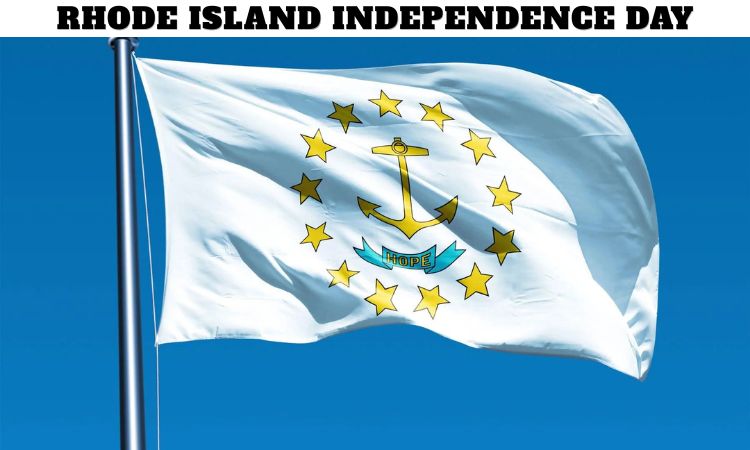
Its motto, “Hope,” continues to symbolize resilience and freedom.
Why Is Rhode Island Called the “Ocean State” and How Did the Sea Influence Independence?
Rhode Island’s geography played a major role in its revolutionary stance. With extensive coastlines and maritime commerce, British trade restrictions directly threatened economic prosperity.
The sea shaped Rhode Island by:
- Driving shipping and trade
- Encouraging international commerce
- Supporting privateering
- Fueling anti-British resistance
British taxation and customs enforcement hit Rhode Island merchants hard, making independence both an ideological and economic necessity.
This maritime legacy helped transform local frustration into revolutionary action.
How Does Rhode Island Independence Day Teach Modern Lessons About Freedom?
This observance reminds us that freedom often begins with courageous local action. Rhode Island’s example teaches:
Leadership matters
Small communities can spark major historical change.
Liberty requires conviction
Standing for principle often demands risk.
Self-governance is foundational
Political freedom begins with accountability.
History shapes identity
Understanding early acts of courage strengthens civic awareness.
Rhode Island Independence Day encourages reflection on how democratic values are protected and preserved.
Why Is Rhode Island Independence Day Often Overlooked Nationally?
Despite its importance, Rhode Island Independence Day is less widely recognized because national celebrations focus heavily on July 4 and the Declaration of Independence.
However, May 4 deserves greater attention because it highlights:
- The first formal colonial break from Britain
- Rhode Island’s leadership role
- The diversity of revolutionary history
- The power of state-level action
Recognizing this day enriches our understanding of America’s path to independence beyond a single national milestone.
How Can We Honor Rhode Island Independence Day Meaningfully?
We can celebrate by:
- Learning colonial history
- Visiting Rhode Island landmarks
- Reading about Roger Williams
- Supporting civic education
- Reflecting on democratic freedoms
- Teaching children about early independence movements
Honoring Rhode Island Independence Day means appreciating the courage of those who acted before independence was guaranteed.
Why Does Rhode Island Independence Day Still Matter Today?
In today’s world, this observance remains a powerful reminder that liberty often begins with bold decisions made by principled individuals and communities.
Rhode Island’s May 4 declaration demonstrates that even the smallest voices can lead to transformative change. It reinforces the enduring American ideals of freedom, self-determination, and courage.
By remembering Rhode Island Independence Day, we celebrate not only a state’s historic first step but also the universal pursuit of liberty.
Frequently Asked Questions (FAQs)
1. When is Rhode Island Independence Day celebrated?
Rhode Island Independence Day is celebrated annually on May 4.
2. Why is May 4 important in Rhode Island history?
On May 4, 1776, Rhode Island became the first colony to formally renounce allegiance to Britain.
3. Was Rhode Island the first colony to declare independence?
Yes, Rhode Island was the first of the thirteen colonies to officially break from British rule.
4. Who founded Rhode Island?
Roger Williams founded Rhode Island in 1636.
5. What was the Gaspee Affair?
The Gaspee Affair was a 1772 act of colonial rebellion against a British customs ship.
6. Why was Rhode Island so independent-minded?
Its culture emphasized religious freedom, self-governance, and resistance to centralized authority.
7. How does Rhode Island Independence Day differ from July 4?
May 4 marks Rhode Island’s own declaration from Britain, while July 4 marks the national Declaration of Independence.
8. How is Rhode Island Independence Day celebrated?
Through educational programs, historical events, and civic reflection.
9. What is Rhode Island’s nickname?
Rhode Island is known as the “Ocean State.”
10. Why is Rhode Island Independence Day historically significant?
It represents the earliest formal colonial step toward American independence.