

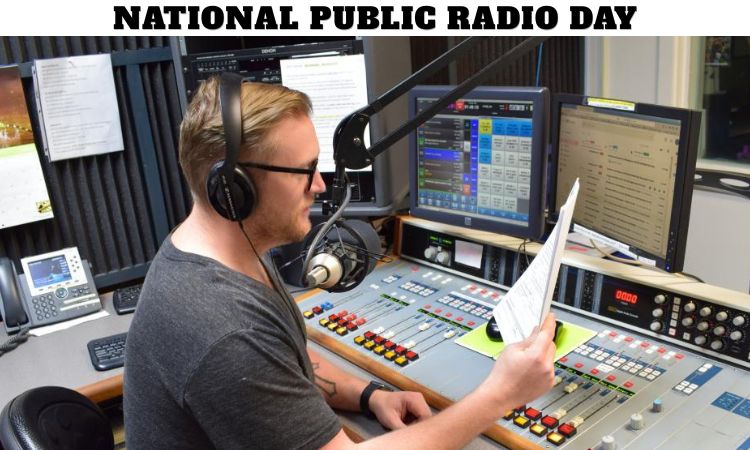
What Is National Public Radio Day, and Why Is It Celebrated on May 3?
National Public Radio Day, observed annually on May 3, honors the enduring impact of public radio as a trusted source of journalism, education, culture, and civic engagement. This day recognizes the role public radio has played in informing communities, amplifying diverse voices, and providing thoughtful programming that prioritizes public service over commercial interests.
National Public Radio Day specifically commemorates the founding and influence of National Public Radio (NPR) in the United States, while also celebrating the broader public broadcasting mission that serves millions of listeners worldwide. Since its establishment in 1970, NPR has become synonymous with in-depth reporting, intelligent storytelling, and meaningful cultural coverage.
This observance is more than a celebration of one institution. It is a tribute to public radio’s commitment to truth, accessibility, and the democratic value of informed citizens.
How Did Public Radio Begin and Why Was It Created?
Public radio emerged from the belief that broadcasting could serve educational and civic purposes beyond entertainment or profit. In the United States, the Public Broadcasting Act of 1967 laid the foundation for public media by establishing the Corporation for Public Broadcasting (CPB).
This legislation aimed to create media that would:
- Educate the public
- Encourage cultural enrichment
- Provide unbiased journalism
- Support local communities
- Promote democratic dialogue
In 1970, NPR was founded as a nonprofit media organization focused on producing and distributing high-quality programming. Its first official broadcast in 1971 covered Senate hearings on the Vietnam War, immediately signaling its dedication to serious journalism.
Public radio became an alternative to commercial broadcasting by prioritizing thoughtful content over ratings-driven programming.
Why Is Public Radio Important in Modern Society?
Public radio remains essential because it provides reliable, in-depth information in an era often dominated by sensationalism and fragmented media. It offers audiences context, nuance, and substance.
Key Functions of Public Radio Include:
- Investigative journalism
- Educational programming
- Cultural storytelling
- Local news coverage
- Emergency information
- Music discovery
- Civic discussion
Unlike many commercial outlets, public radio often focuses on long-form reporting and public interest issues, making it a vital pillar of informed democracy.
National Public Radio Day reminds us that access to trustworthy information strengthens communities.
How Does Public Radio Differ From Commercial Radio?
Public radio and commercial radio operate under fundamentally different priorities.
Public Radio:
- Nonprofit or publicly supported
- Educational mission
- Listener donations and grants
- In-depth reporting
- Diverse programming
Commercial Radio:
- Advertising-driven
- Profit-focused
- Ratings-centered
- Entertainment-heavy
- Sponsored content
This distinction allows public radio to cover stories that may be overlooked by commercial broadcasters while fostering intellectual and cultural enrichment.
What Are Some of the Most Popular Public Radio Programs?
Public radio has produced many influential programs known for quality journalism and storytelling.
Notable Programs Include:
Morning Edition
A flagship news program offering comprehensive daily reporting.
All Things Considered
An evening news magazine known for analysis and feature stories.
Fresh Air
In-depth interviews with influential voices in arts, politics, and culture.
This American Life
Narrative storytelling exploring real-life experiences.
Wait Wait… Don’t Tell Me!
A humorous take on current events.
These programs have shaped public discourse while making journalism engaging and accessible.
How Has Public Radio Supported Local Communities?
One of public radio’s greatest strengths is its local reach. Member stations across cities and rural regions provide programming tailored to community needs.
Local Contributions Include:
- Regional news
- Weather updates
- Educational resources
- Public affairs discussions
- Local arts coverage
- Disaster response information
During emergencies, public radio often becomes a lifeline, delivering accurate updates and critical guidance.
National Public Radio Day celebrates this grassroots connection between broadcasters and communities.
Why Is Listener Support Crucial for Public Radio?
Public radio relies heavily on listener contributions, memberships, grants, and public funding. This support model reinforces accountability to audiences rather than advertisers.
Benefits of Listener-Funded Media:
- Editorial independence
- Reduced corporate influence
- Community investment
- Public trust
- Program diversity
Fundraising drives, often associated with public radio, are not merely financial requests—they are reminders that independent journalism depends on public participation.
How Has Technology Changed Public Radio?
While traditional radio remains important, public radio has evolved significantly with digital innovation.
Modern Platforms Include:
- Podcasts
- Mobile apps
- Live streaming
- Smart speakers
- Digital newsletters
NPR and other public broadcasters have embraced podcasts to reach younger and global audiences. This shift has expanded public radio’s influence beyond airwaves into on-demand media.
Technology ensures public radio remains relevant while preserving its mission.
What Cultural Impact Has Public Radio Had?
Public radio has influenced culture by elevating thoughtful dialogue, independent music, and underrepresented voices. It has provided platforms for:
- Authors
- Musicians
- Scientists
- Historians
- Activists
- Community leaders
Its storytelling style has also shaped modern podcasting and documentary journalism. Public radio’s emphasis on authenticity and depth continues to inspire media creators worldwide.
How Can People Celebrate National Public Radio Day?
There are many meaningful ways to honor this observance:
- Listen to public radio broadcasts
- Donate to local stations
- Explore NPR podcasts
- Share favorite programs
- Learn about public broadcasting history
- Support independent journalism
- Participate in station events
Celebrating National Public Radio Day can also involve reflecting on the importance of media literacy and civic engagement.
Why Does National Public Radio Day Matter More Than Ever?
In a world of misinformation, algorithm-driven content, and shrinking local newsrooms, public radio represents stability, trust, and thoughtful journalism. It provides a space where complexity is respected and public service remains central.
National Public Radio Day reminds us that journalism is not merely content—it is a civic necessity. Public radio helps preserve informed citizenship, cultural understanding, and democratic dialogue.
What Is the Lasting Legacy of Public Radio?
Public radio’s legacy is built on trust, curiosity, and service. For decades, it has informed, educated, and inspired audiences while adapting to technological and cultural changes.
By celebrating National Public Radio Day, we recognize the importance of preserving spaces where truth, learning, and community remain priorities. Public radio is not just a broadcasting model—it is a public good that continues to shape society for the better.
Frequently Asked Questions (FAQs)
1. When is National Public Radio Day celebrated?
National Public Radio Day is celebrated annually on May 3.
2. What does NPR stand for?
NPR stands for National Public Radio.
3. When was NPR founded?
NPR was founded in 1970.
4. What makes public radio different from commercial radio?
Public radio focuses on public service, education, and listener support rather than advertising profits.
5. How is public radio funded?
It is funded through listener donations, grants, sponsorships, and public funding.
6. Why is public radio important?
It provides reliable journalism, cultural programming, and community-focused information.
7. What are some famous public radio shows?
Morning Edition, All Things Considered, Fresh Air, and This American Life.
8. Can public radio be accessed online?
Yes, through websites, apps, podcasts, and streaming platforms.
9. How does public radio support local communities?
It provides regional news, emergency updates, and community-centered programming.
10. How can people celebrate National Public Radio Day?
By listening, donating, exploring programs, and supporting public media.