

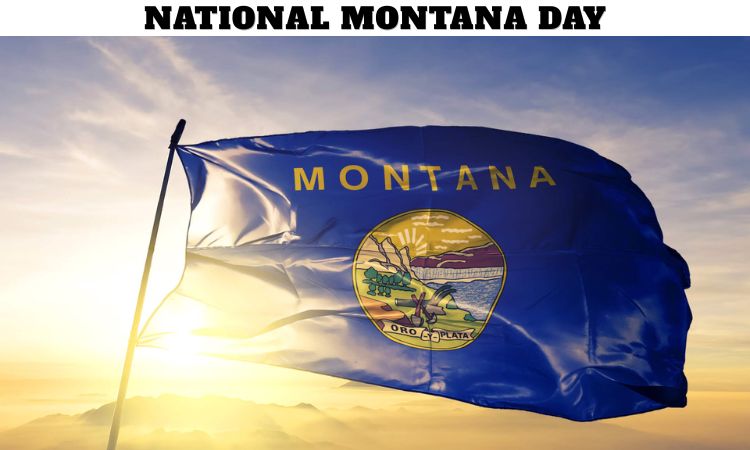
What Is National Montana Day, and Why Is It Celebrated on May 3?
National Montana Day, observed annually on May 3, honors the remarkable history, breathtaking landscapes, cultural significance, and pioneering spirit of the state of Montana. As part of the National Day Calendar’s celebration of U.S. states, this special day recognizes Montana’s unique place in American history and its enduring contributions to the nation’s identity.
Known as “Big Sky Country” and “The Treasure State,” Montana is the fourth-largest state in the United States by area, yet one of the least densely populated. This combination of vast open spaces, towering mountain ranges, rolling plains, and preserved wilderness gives Montana an identity unlike any other state.
National Montana Day is not merely about geography; it is a celebration of resilience, Native American heritage, frontier history, mining wealth, ranching traditions, and outdoor adventure. It invites us to explore what makes Montana extraordinary while appreciating its role in shaping America’s western frontier.
How Did Montana Become a State in American History?
Montana’s path to statehood is deeply connected to exploration, westward expansion, and resource discovery. Before European settlement, Indigenous tribes such as the Crow, Blackfeet, Cheyenne, Assiniboine, and Salish inhabited the region for thousands of years, cultivating rich cultures and traditions.
In the early 19th century, the Lewis and Clark Expedition traversed Montana, documenting its landscapes and Native communities. Their journey introduced the area to broader American awareness.
The discovery of gold in the 1860s dramatically transformed Montana. Mining booms attracted settlers seeking wealth, leading to the rapid establishment of towns and economic infrastructure. On November 8, 1889, Montana officially became the 41st state in the United States.
National Montana Day commemorates this dynamic history, from Indigenous roots to statehood and beyond.
Why Is Montana Called Big Sky Country?
Montana’s nickname, Big Sky Country, reflects its seemingly endless horizons, expansive skies, and dramatic natural beauty. With wide-open landscapes stretching across plains, valleys, and mountains, Montana offers panoramic views that create a profound sense of freedom and wonder.
Visitors and residents alike often describe Montana’s sky as one of its most defining features. Sunrises and sunsets stretch across immense spaces, painting the sky with vivid colors.
This nickname captures Montana’s essence:
- Vast landscapes
- Low population density
- Scenic mountain ranges
- Endless outdoor exploration
- Peaceful rural charm
Big Sky Country symbolizes Montana’s grandeur and timeless beauty.
What Are Montana’s Most Famous Natural Attractions?
Montana is home to some of the most iconic natural landmarks in North America. Its diverse geography makes it a paradise for adventurers, photographers, and nature enthusiasts.
Major Attractions Include:
Glacier National Park
Known for alpine scenery, crystal-clear lakes, and wildlife, Glacier National Park features over one million acres of preserved wilderness.
Yellowstone National Park (partially in Montana)
Although primarily in Wyoming, Montana serves as a key gateway to Yellowstone’s geysers and wildlife.
Rocky Mountains
Montana’s Rocky Mountain ranges offer hiking, skiing, and stunning vistas.
Flathead Lake
One of the largest natural freshwater lakes west of the Mississippi.
Missouri River Headwaters
A historically significant site connected to westward expansion.
National Montana Day encourages exploration of these treasured places.
How Does Montana’s Native American Heritage Shape Its Identity?
Montana’s cultural identity is deeply rooted in Native American history. The state is home to several tribal nations, including:
- Crow Nation
- Northern Cheyenne
- Blackfeet Nation
- Confederated Salish and Kootenai Tribes
- Assiniboine and Sioux Tribes
These communities preserve traditions, languages, ceremonies, and art that remain vital to Montana’s heritage.
Powwows, storytelling, beadwork, and tribal governance continue to shape Montana’s modern cultural landscape. National Montana Day offers an opportunity to recognize and respect these enduring Indigenous contributions.
What Role Did Mining Play in Montana’s Development?
Mining was one of Montana’s most transformative industries. Gold, silver, and especially copper fueled economic growth during the late 19th and early 20th centuries.
The city of Butte became internationally known as “The Richest Hill on Earth” due to its immense copper deposits. Montana’s mining industry contributed significantly to industrialization in the United States by supplying materials for electricity and infrastructure.
Mining also shaped labor movements, immigration, and urban growth. Today, Montana’s mining history remains visible through museums, ghost towns, and preserved landmarks.
Why Is Ranching Important to Montana’s Culture?
Montana’s vast plains and grasslands made it ideal for cattle ranching, which became central to the state’s economy and identity. Cowboys, rodeos, and agricultural traditions remain integral parts of Montana culture.
Ranching in Montana represents:
- Self-reliance
- Hard work
- Western heritage
- Land stewardship
- Community pride
National Montana Day celebrates this enduring agricultural backbone that continues to define much of Montana’s rural life.
What Outdoor Activities Make Montana a Top Travel Destination?
Montana is a dream destination for outdoor enthusiasts because of its year-round recreational opportunities.
Popular Activities Include:
- Hiking
- Fly fishing
- Skiing
- Snowboarding
- Camping
- Wildlife watching
- Whitewater rafting
- Horseback riding
From grizzly bears and elk to trout-filled rivers and snow-capped peaks, Montana offers experiences that connect people to nature in powerful ways.
How Is National Montana Day Celebrated?
People celebrate National Montana Day in various ways, including:
- Visiting state parks
- Learning Montana history
- Exploring Native American heritage
- Supporting Montana businesses
- Sharing Montana photography
- Watching documentaries about the American West
- Participating in educational events
Schools and travel organizations may also use the day to highlight Montana’s significance in American culture.
What Makes Montana Unique Among U.S. States?
Montana stands apart because of its rare combination of wilderness, cultural heritage, and frontier spirit. It offers a sense of scale and authenticity difficult to find elsewhere.
Montana’s Distinctive Qualities Include:
- Fourth-largest U.S. state
- Rich Native American history
- Historic mining legacy
- Glacier National Park
- Low population density
- Iconic western ranching traditions
National Montana Day reminds us that Montana is more than a place—it is a symbol of exploration, endurance, and natural majesty.
Why Should We Appreciate National Montana Day?
National Montana Day is a chance to reflect on one of America’s most awe-inspiring states. Montana’s landscapes, cultures, industries, and stories contribute profoundly to the broader American experience.
By celebrating this day, we honor:
- Indigenous heritage
- State history
- Natural conservation
- Frontier resilience
- Cultural diversity
Montana’s legacy continues to inspire adventure, respect for nature, and appreciation for the American West.
Frequently Asked Questions (FAQs)
1. When is National Montana Day celebrated?
National Montana Day is celebrated every year on May 3.
2. Why is Montana called Big Sky Country?
Because of its vast open landscapes and expansive skies.
3. When did Montana become a state?
Montana became the 41st U.S. state on November 8, 1889.
4. What is Montana famous for?
Montana is known for Glacier National Park, ranching, mining, and scenic beauty.
5. Which Native American tribes are associated with Montana?
Major tribes include the Crow, Blackfeet, Northern Cheyenne, and Salish.
6. What is Montana’s nickname besides Big Sky Country?
It is also called The Treasure State.
7. What major industries shaped Montana’s history?
Mining, ranching, and agriculture were major industries.
8. What outdoor activities is Montana known for?
Hiking, fishing, skiing, camping, and wildlife viewing.
9. What national parks are in Montana?
Glacier National Park and parts of Yellowstone National Park.
10. How can people celebrate National Montana Day?
By exploring Montana history, nature, and cultural traditions.