

What Is Polish Flag Day and Why Is It Celebrated on May 2?
Polish Flag Day, known in Poland as Dzień Flagi Rzeczypospolitej Polskiej, is celebrated every year on May 2 to honor the national flag of Poland and the enduring values it represents. This important observance recognizes the significance of Poland’s white and red colors as symbols of resilience, sovereignty, freedom, and national unity.
Established officially in 2004, Polish Flag Day falls between International Workers’ Day on May 1 and Constitution Day on May 3, creating a patriotic period in Poland that encourages reflection on the nation’s past struggles and achievements. The date was chosen partly because, during the communist era, authorities removed national flags after May 1 celebrations to prevent displays on Constitution Day. By celebrating on May 2, Poland reclaimed this symbolic act of patriotism.
Polish Flag Day serves as both a tribute to the flag itself and a broader celebration of Polish heritage, reminding citizens of the sacrifices made to preserve independence.
What Do the Colors of the Polish Flag Represent?
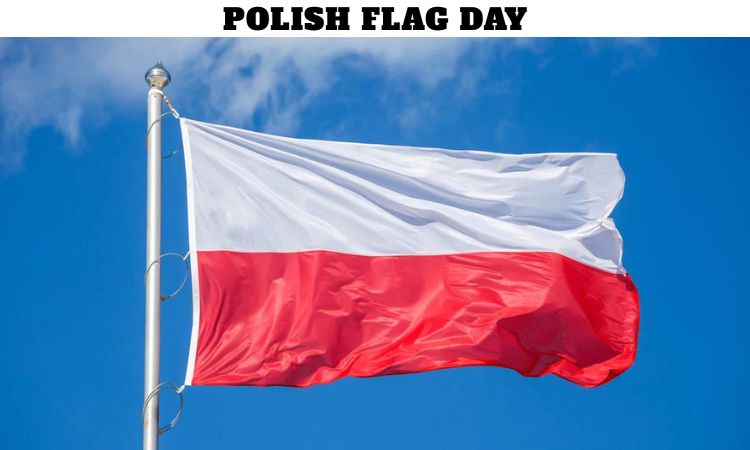
The Polish flag consists of two horizontal stripes: white on the top and red on the bottom. These colors are deeply rooted in Polish heraldry and national symbolism.
The white symbolizes:
- Peace
- Purity
- Hope
- Spiritual values
The red symbolizes:
- Courage
- Bloodshed for freedom
- Strength
- Patriotism
These colors originate from Poland’s historical coat of arms, which features a white eagle on a red shield. Together, the flag’s design reflects centuries of national identity and collective memory.
Polish Flag Day emphasizes not only visual symbolism but also the emotional and historical importance these colors hold for Polish people worldwide.
How Did the Polish Flag Become a National Symbol?
The origins of Poland’s national colors date back to the Middle Ages, but the white and red combination was officially recognized as national colors in 1831 during the November Uprising. This period of resistance against foreign domination strengthened the symbolic role of the flag as a representation of freedom.
Throughout Poland’s turbulent history—including partitions, wars, and occupations—the flag became a powerful emblem of national perseverance. Whether during uprisings or global conflicts, displaying the Polish flag symbolized hope for sovereignty.
Today, Polish Flag Day celebrates this enduring journey by recognizing the flag not merely as a state emblem but as a living reminder of survival and determination.
Why Is Polish Flag Day Important to Polish National Identity?
National symbols help define a country’s shared identity, and the Polish flag is central to that cultural framework. Polish Flag Day encourages citizens to express patriotism while educating younger generations about their heritage.
This observance is important because it:
- Strengthens national unity
- Preserves historical memory
- Promotes civic pride
- Honors independence movements
- Connects global Polish communities
For Poles living abroad, the day also reinforces cultural belonging, allowing diaspora communities to celebrate their roots.
How Do People Celebrate Polish Flag Day?
Polish Flag Day is marked by patriotic displays and community events throughout Poland and internationally. Homes, schools, government buildings, and businesses proudly display the national flag.
Common celebrations include:
- Raising Polish flags
- Participating in parades
- Wearing white and red clothing
- Educational events about Polish history
- Patriotic concerts
- Community gatherings
- Historical exhibitions
Many families also use the day to teach children proper respect for national symbols and the meaning of Polish independence.
What Is the Historical Connection Between May 2 and Polish Patriotism?
May 2 holds profound historical relevance beyond its modern observance. During the final days of World War II, Polish soldiers raised the national flag over Berlin’s Victory Column in 1945, symbolizing bravery and contribution to the defeat of Nazi Germany.
Additionally, the post-war communist suppression of national symbolism made reclaiming May 2 especially meaningful. By officially designating Polish Flag Day, modern Poland restored patriotic pride and historical continuity.
This historical depth transforms May 2 into more than a ceremonial occasion—it becomes a day of remembrance and restored national dignity.
How Does Polish Flag Day Connect to Constitution Day on May 3?
Polish Flag Day sits strategically between Labor Day and Constitution Day, creating a patriotic bridge. Constitution Day celebrates the adoption of the Constitution of May 3, 1791, one of Europe’s earliest democratic constitutions.
Together, these dates form a broader period of reflection on:
- Freedom
- Democracy
- Independence
- National resilience
By placing Polish Flag Day on May 2, Poland highlights the visual symbol of the nation just before commemorating one of its greatest political achievements.
What Are the Proper Ways to Respect the Polish Flag?
Respecting national symbols is an essential part of Polish Flag Day. Proper flag etiquette includes:
- Displaying the flag in good condition
- Avoid placing it on the ground
- Ensuring white remains on top
- Using respectful lighting when displayed at night
- Handling it with dignity during ceremonies
Educational campaigns during Polish Flag Day often focus on these practices, ensuring future generations understand the importance of respectful patriotism.
Why Does Polish Flag Day Matter Beyond Poland?
Polish communities worldwide celebrate this day as a connection to homeland identity. Millions of people of Polish descent across Europe, North America, Australia, and beyond use May 2 to celebrate ancestry and preserve cultural traditions.
For international audiences, Polish Flag Day also serves as a reminder of Poland’s contributions to world history, including:
- Resistance during World War II
- Democratic reforms
- Scientific achievements
- Cultural influence
This observance reinforces that national symbols can unite people across borders and generations.
What Lessons Does Polish Flag Day Teach About Freedom and Heritage?
Polish Flag Day offers universal lessons about the power of resilience, cultural pride, and remembrance. Poland’s history is marked by extraordinary struggles for independence, making its flag a symbol of survival against oppression.
By celebrating this day, we recognize that flags represent more than territory—they embody values, sacrifice, and hope. Polish Flag Day teaches us that honoring heritage strengthens identity while inspiring future generations to preserve freedom.
Frequently Asked Questions (FAQs)
1. When is Polish Flag Day celebrated?
Polish Flag Day is celebrated annually on May 2.
2. What is Polish Flag Day?
It is a national observance honoring Poland’s white and red flag as a symbol of heritage and patriotism.
3. Why are the colors white and red important to Poland?
They represent purity, peace, courage, and the nation’s historic coat of arms.
4. When was Polish Flag Day officially established?
It was officially established in 2004.
5. Why is May 2 significant in Poland?
It bridges Labor Day and Constitution Day while reclaiming patriotic symbolism.
6. What does the Polish flag symbolize?
It symbolizes freedom, resilience, unity, and national pride.
7. How do people celebrate Polish Flag Day?
People celebrate by displaying flags, attending parades, and participating in educational events.
8. Is Polish Flag Day a public holiday?
It is an official observance but not always a full public holiday.
9. What is Poland’s Constitution Day?
Constitution Day on May 3 commemorates the 1791 Polish Constitution.
10. Can Polish communities abroad celebrate Polish Flag Day?
Yes, Polish diaspora communities around the world actively celebrate it.