

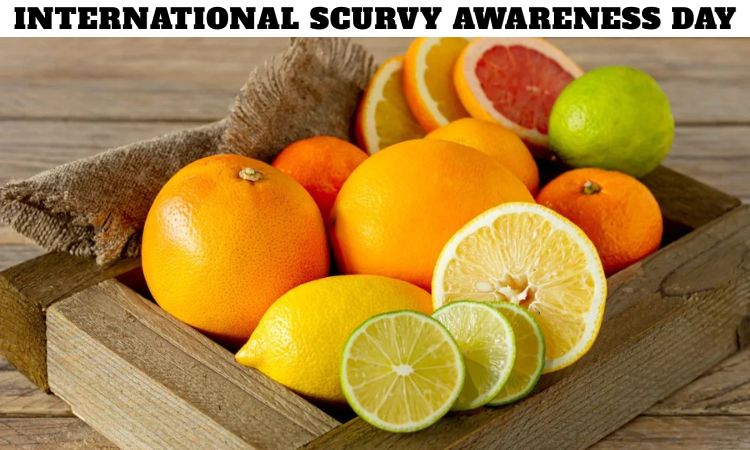
What Is International Scurvy Awareness Day, and Why Is It Observed on May 2?
International Scurvy Awareness Day, observed on May 2, is dedicated to raising awareness about scurvy, a preventable yet historically devastating disease caused by severe vitamin C deficiency. Although often associated with sailors from centuries past, scurvy remains relevant in the modern world due to poor nutrition, food insecurity, restrictive diets, medical conditions, and a lack of awareness about essential nutrients.
This awareness day serves as a reminder that even in an era of advanced medicine, nutritional deficiencies can still pose serious health risks. By highlighting the causes, symptoms, prevention, and treatment of scurvy, International Scurvy Awareness Day encourages healthier eating habits, improved public health education, and better access to nutrient-rich foods.
Scurvy may be ancient, but its lessons remain urgent: proper nutrition is fundamental to human health.
What Exactly Is Scurvy?
Scurvy is a disease caused by prolonged deficiency of vitamin C (ascorbic acid), a crucial nutrient required for collagen production, tissue repair, immune support, and iron absorption. Humans cannot naturally produce vitamin C, which means we must obtain it through food or supplements.
Without sufficient vitamin C, the body struggles to maintain healthy skin, blood vessels, bones, and connective tissue. Over time, deficiency can lead to severe physical deterioration.
Scurvy develops gradually and can become life-threatening if untreated.
Historically, it was notorious among sailors who spent months at sea without fresh fruits or vegetables. Today, while less common, it still affects vulnerable populations, including:
- People with highly restricted diets
- Individuals with eating disorders
- Older adults with poor nutrition
- People experiencing homelessness
- Those with malabsorption disorders
- Individuals with alcohol dependence
Why Was Scurvy So Dangerous Historically?
Scurvy once killed millions, especially during long sea voyages between the 15th and 18th centuries. Sailors often lacked access to fresh produce for months, leading to widespread vitamin C deficiency.
Symptoms such as bleeding gums, fatigue, joint pain, bruising, and tooth loss weakened crews and caused countless deaths. In some naval expeditions, more sailors died from scurvy than from storms or combat.
The turning point came when citrus fruits like lemons and limes were discovered to prevent the disease. This breakthrough revolutionized maritime health and earned British sailors the nickname “limeys.”
International Scurvy Awareness Day reflects on this history while emphasizing that nutritional neglect can still have severe consequences.
What Causes Scurvy in Modern Times?
Though fresh foods are more accessible than in the past, scurvy still occurs due to inadequate vitamin C intake over extended periods.
Modern causes include:
- Extreme fad diets
- Food insecurity
- Autism-related food selectivity
- Chronic illness
- Gastrointestinal disorders
- Smoking, which increases vitamin C needs
- Alcohol use disorder
- Mental health conditions affecting eating habits
People who avoid fruits and vegetables entirely for several months may become at risk.
This makes awareness essential, particularly in communities where nutrition education or food access is limited.
What Are the Symptoms of Scurvy?
Scurvy symptoms often begin subtly but worsen over time.
Common warning signs include:
- Persistent fatigue
- Weakness
- Swollen or bleeding gums
- Loose teeth
- Easy bruising
- Dry or rough skin
- Joint pain
- Poor wound healing
- Corkscrew hairs
- Anemia
In children, scurvy can impair bone growth and development.
Because symptoms may mimic other conditions, scurvy can sometimes be overlooked. Early diagnosis is critical.
How Is Scurvy Diagnosed?
Diagnosis usually involves:
- Medical history review
- Dietary assessment
- Physical examination
- Blood tests for vitamin C levels
- Evaluation of symptoms
Doctors may also assess for related deficiencies or underlying conditions affecting nutrient absorption.
Because symptoms often improve rapidly with treatment, clinical response to vitamin C supplementation can also support diagnosis.
How Is Scurvy Treated?
Scurvy treatment is highly effective and straightforward when identified early.
Treatment generally includes:
- Vitamin C supplements
- Increased intake of vitamin C-rich foods
- Nutritional counseling
- Management of underlying health conditions
Foods rich in vitamin C include:
- Oranges
- Lemons
- Strawberries
- Kiwi
- Bell peppers
- Broccoli
- Tomatoes
- Spinach
Most patients begin improving within days of treatment, with full recovery often possible when addressed promptly.
How Can Scurvy Be Prevented?
Scurvy prevention is simple: maintain regular vitamin C intake.
Prevention strategies include:
- Eating fresh fruits daily
- Including vegetables in meals
- Using fortified foods when necessary
- Taking supplements if medically advised
- Supporting food security initiatives
- Educating children and families about balanced diets
The recommended daily vitamin C intake varies by age, gender, and lifestyle factors such as smoking.
International Scurvy Awareness Day reinforces that prevention is far easier than treatment.
Why Is Vitamin C So Important Beyond Preventing Scurvy?
Vitamin C does much more than prevent one disease. It supports:
- Immune system function
- Skin health
- Collagen production
- Iron absorption
- Antioxidant protection
- Wound healing
Its role in overall wellness makes it one of the most essential nutrients for daily life.
A lack of vitamin C can affect multiple body systems, making nutritional awareness a cornerstone of preventive healthcare.
Who Is Most at Risk for Scurvy Today?
While rare in the general population, higher-risk groups include:
- Elderly individuals living alone
- Children with highly selective eating habits
- People with severe poverty
- Individuals with digestive diseases
- Smokers
- People with substance dependence
Healthcare providers increasingly recognize that scurvy is not just a historical curiosity—it remains a modern health issue in specific populations.
Why Does International Scurvy Awareness Day Matter Today?
This awareness day matters because it highlights the intersection of nutrition, public health, education, and social inequality.
Its goals include:
- Promoting nutritional literacy
- Reducing preventable disease
- Encouraging balanced diets
- Supporting vulnerable populations
- Addressing food insecurity
By focusing on scurvy, we are reminded that even simple nutrients can mean the difference between health and disease.
How Can We Participate in International Scurvy Awareness Day?
People can support this day by:
- Sharing nutrition education resources
- Promoting healthy diets
- Supporting food banks
- Encouraging fruit and vegetable access
- Teaching children about vitamins
- Raising awareness about hidden malnutrition
Through awareness, prevention, and compassion, we can reduce nutritional deficiencies and improve lives.
Frequently Asked Questions (FAQs)
1. When is International Scurvy Awareness Day observed?
It is observed annually on May 2.
2. What causes scurvy?
Scurvy is caused by severe vitamin C deficiency.
3. Is scurvy still a problem today?
Yes, although rare, it still occurs in people with poor nutrition or specific health conditions.
4. What are the early symptoms of scurvy?
Fatigue, weakness, gum issues, and bruising are common early symptoms.
5. Can scurvy be cured?
Yes, scurvy is treatable with vitamin C and dietary improvements.
6. Which foods prevent scurvy?
Citrus fruits, berries, peppers, broccoli, and leafy greens help prevent scurvy.
7. Why did sailors commonly get scurvy?
They lacked access to fresh fruits and vegetables during long sea voyages.
8. Who is most at risk for scurvy today?
People with restrictive diets, malnutrition, or absorption disorders are most at risk.
9. How quickly can treatment work?
Many symptoms begin improving within days of vitamin C treatment.
10. Why is International Scurvy Awareness Day important?
It promotes awareness about nutrition, prevention, and the importance of vitamin C.