

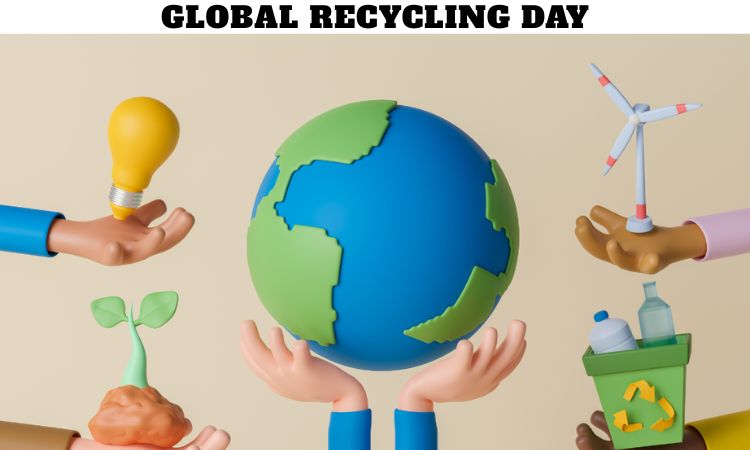
Global Recycling Day, observed annually on March 18, is an important international initiative dedicated to promoting sustainable waste management, environmental protection, and resource conservation. Established to highlight the vital role recycling plays in securing the future of the planet, this day encourages governments, industries, communities, and individuals to recognize waste as a valuable resource rather than a disposable burden.
Organized by the Global Recycling Foundation, Global Recycling Day emphasizes the concept that recyclable materials are the “Seventh Resource,” alongside traditional natural resources such as water, air, oil, natural gas, coal, and minerals. By recognizing the significance of recycling, societies can move toward a circular economy that reduces environmental degradation and promotes sustainable development.
History and Origin of Global Recycling Day
Global Recycling Day was first celebrated in 2018 to unite global stakeholders around the importance of recycling. The initiative sought to create awareness about the increasing challenges of waste generation, climate change, and resource depletion.
As urbanization and industrial growth accelerated worldwide, the amount of municipal and industrial waste rose significantly. Landfills expanded, oceans became polluted with plastic debris, and ecosystems faced growing pressure. Global Recycling Day emerged as a strategic response to these challenges, advocating for innovative recycling practices, policy reforms, and behavioral change.
Since its inception, the observance has gained recognition across continents, with educational campaigns, public events, and corporate sustainability programs contributing to a growing global movement.
Understanding Recycling and Its Importance
Recycling refers to the process of collecting, processing, and transforming waste materials into new products. This practice reduces the need for extracting virgin raw materials, thereby conserving energy and minimizing environmental impact.
Key Benefits of Recycling
Conservation of natural resources
Reduction in landfill waste
Decrease in greenhouse gas emissions
Energy savings in manufacturing processes
Creation of employment opportunities
By integrating recycling into daily life, societies can significantly reduce their ecological footprint and support sustainable economic growth.
Environmental Impact of Recycling
One of the primary objectives of Global Recycling Day is to highlight how recycling contributes to environmental preservation and climate action.
Reduction of Pollution
Improper waste disposal leads to air, soil, and water pollution. Recycling helps prevent harmful substances from entering ecosystems. For example, recycling plastics reduces ocean contamination, protecting marine biodiversity.
Lower Carbon Emissions
Manufacturing products from recycled materials often requires less energy compared to producing them from raw resources. This results in lower carbon dioxide emissions, supporting global climate mitigation efforts.
Protection of Biodiversity
Mining, deforestation, and industrial expansion threaten wildlife habitats. Recycling reduces the demand for these activities, thereby contributing to ecosystem conservation and biodiversity protection.
Economic Advantages of Recycling
Global Recycling Day also underscores the economic potential of recycling industries.
Job Creation and Industry Growth
Recycling sectors generate employment in areas such as:
Waste collection and sorting
Recycling plant operations
Product manufacturing using recycled materials
Research and innovation
These opportunities contribute to inclusive economic development and urban sustainability.
Cost Savings for Governments and Businesses
Recycling programs help municipalities reduce landfill management expenses. Businesses benefit from lower production costs when using recycled inputs, improving resource efficiency and competitiveness.
The Concept of the Circular Economy
A central theme of Global Recycling Day is the promotion of a circular economy, a system where materials are reused, repaired, refurbished, and recycled for as long as possible.
From Linear to Circular Systems
Traditional economies follow a linear model: produce, consume, dispose. In contrast, circular systems prioritize:
Sustainable product design
Waste reduction strategies
Material recovery and reuse
This transformation enhances resilience against resource shortages and environmental crises.
Common Recyclable Materials
Understanding what can be recycled is essential for effective participation.
Paper and Cardboard
Recycling paper saves trees, reduces water consumption, and lowers energy use in manufacturing.
Plastics
Recycling plastic helps prevent environmental pollution and reduces reliance on fossil fuels.
Metals
Aluminum and steel recycling conserves significant energy and reduces mining activities.
Glass
Glass can be recycled indefinitely without losing quality, making it an ideal material for circular production systems.
Challenges Facing Global Recycling Efforts
Despite its benefits, recycling faces several obstacles that Global Recycling Day aims to address.
Lack of Infrastructure
Many regions lack adequate recycling facilities, leading to inefficient waste management systems.
Public Awareness Gaps
Limited understanding of recycling practices results in contamination of recyclable materials and reduced program effectiveness.
Market Fluctuations
Demand for recycled materials can vary, affecting the financial sustainability of recycling industries.
Addressing these challenges requires coordinated action from governments, businesses, and communities.
Technological Innovations in Recycling
Advancements in technology are transforming recycling processes and improving efficiency.
Automated Sorting Systems
Artificial intelligence and robotics enable the precise identification and separation of recyclable materials.
Chemical Recycling
This emerging technology breaks down plastics into their original components, allowing for the production of high-quality recycled products.
Waste-to-Energy Solutions
Certain non-recyclable materials can be converted into energy, reducing landfill dependency and supporting renewable power generation.
Role of Governments and Policies
Effective recycling systems depend on supportive policies and regulations.
Extended Producer Responsibility
Governments increasingly require manufacturers to take responsibility for the lifecycle of their products, encouraging sustainable design and recycling initiatives.
Incentive Programs
Tax benefits, subsidies, and public awareness campaigns promote recycling participation among citizens and businesses.
International Collaboration
Global Recycling Day fosters cooperation among nations to share best practices and develop unified sustainability goals.
How Individuals Can Participate in Global Recycling Day?
Personal actions play a crucial role in achieving environmental sustainability.
Adopting Responsible Consumption Habits
Choosing products with minimal packaging and supporting eco-friendly brands reduces waste generation.
Practicing Waste Segregation
Separating recyclable materials at home improves recycling efficiency and prevents contamination.
Supporting Community Initiatives
Volunteering in local clean-up drives and educational programs helps build awareness and collective responsibility.
Corporate Responsibility and Sustainable Innovation
Businesses are increasingly recognizing the importance of recycling in achieving long-term sustainability.
Green Supply Chains
Companies are redesigning supply chains to incorporate recycled materials and reduce environmental impact.
Product Lifecycle Management
Innovative firms are creating products that are easier to repair, reuse, or recycle.
Transparency and Reporting
Sustainability reporting allows stakeholders to evaluate corporate environmental performance and encourages accountability.
Global Recycling Day and Future Sustainability Goals
The significance of Global Recycling Day continues to grow as climate change and resource scarcity become pressing global concerns.
Alignment with Sustainable Development Goals
Recycling supports objectives such as:
Responsible consumption and production
Climate action
Sustainable cities and communities
Education and Youth Engagement
Empowering younger generations through environmental education ensures continued progress toward sustainability.
Innovation-Driven Growth
Investments in research and technology will enhance recycling efficiency and enable scalable solutions worldwide.
Conclusion
Global Recycling Day on March 18 serves as a powerful reminder that responsible waste management is essential for protecting the environment, strengthening economies, and ensuring resource availability for future generations. By embracing recycling practices, promoting circular economic models, and fostering innovation, societies can address environmental challenges effectively.
Frequently Asked Questions (FAQs)
1. What is Global Recycling Day?
Global Recycling Day is an international observance held on March 18 to promote awareness about recycling, sustainable resource management, and environmental protection.
2. Who established Global Recycling Day?
The day was established by the Global Recycling Foundation to highlight the importance of recycling as a key resource for future sustainability.
3. Why is recycling important for the environment?
Recycling helps reduce pollution, conserve natural resources, save energy, and lower greenhouse gas emissions, contributing to climate change mitigation.
4. What materials can commonly be recycled?
Common recyclable materials include paper, cardboard, plastics, metals, glass, and certain electronic waste items.
5. How does recycling support the economy?
Recycling creates jobs in waste management, manufacturing, and environmental services, while also reducing production costs for businesses.
6. What is meant by the “Seventh Resource”?
The term refers to recyclable materials, which are considered an essential resource alongside traditional natural resources like water and minerals.
7. How can individuals participate in Global Recycling Day?
People can participate by segregating waste, reducing single-use plastics, supporting recycling initiatives, and spreading environmental awareness.
8. What challenges affect recycling efforts worldwide?
Challenges include limited infrastructure, lack of public awareness, contamination of recyclable waste, and fluctuating market demand for recycled materials.
9. How does recycling help fight climate change?
By using recycled materials instead of new raw resources, industries consume less energy and produce fewer carbon emissions, helping reduce global warming.
10. What is the future of recycling globally?
The future involves advanced recycling technologies, stronger environmental policies, increased public participation, and the growth of circular economy models.