

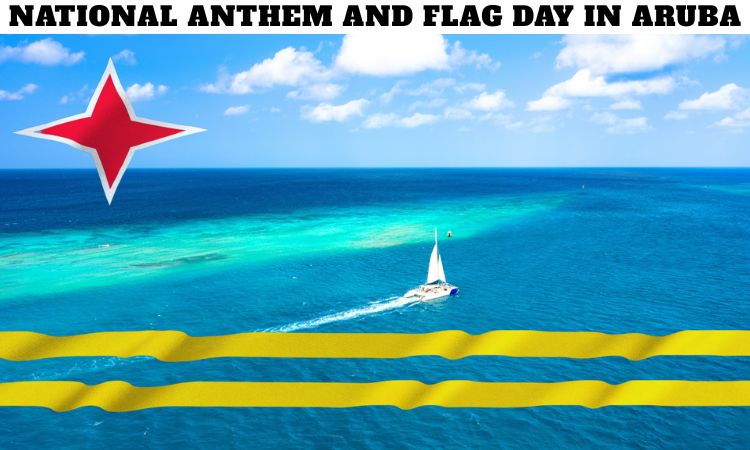
Every year on March 18, the Caribbean island nation of Aruba proudly celebrates National Anthem and Flag Day, a deeply meaningful public holiday that reflects the country’s cultural identity, political development, and patriotic spirit. This important day commemorates the official adoption of Aruba’s national flag and national anthem, symbolizing unity, heritage, and the aspirations of its people.
National Anthem and Flag Day are more than just ceremonial observances. It represents the journey of Aruba toward greater autonomy, the preservation of its unique traditions, and the pride citizens feel in their nation’s achievements. Festivities across the island create a vibrant atmosphere filled with music, parades, cultural performances, and community gatherings.
Historical Background of the Celebration
The observance of National Anthem and Flag Day dates back to 1976, when Aruba officially introduced its national symbols. These symbols were adopted during a period of growing national consciousness and desire for self-determination.
At that time, Aruba was part of the Netherlands Antilles, a former Caribbean constituent country of the Kingdom of the Netherlands. The introduction of a distinct flag and anthem marked a significant milestone in Aruba’s political and cultural evolution. It demonstrated the island’s determination to establish its own identity while maintaining constitutional ties with the Dutch Kingdom.
The decision to designate March 18 as a national holiday allowed citizens to annually honor the legacy of independence movements, cultural resilience, and national pride.
Meaning and Symbolism of the Aruban Flag
The Aruban flag is rich in symbolism and reflects the island’s geography, history, and aspirations.
Design Elements of the Flag
The flag features:
A light blue background
Two narrow horizontal yellow stripes
A red four-pointed star with a white outline in the upper corner
Each element carries a deeper meaning:
Light blue represents the surrounding Caribbean Sea, the sky, peace, hope, and Aruba’s future.
Yellow stripes symbolize wealth derived from natural resources such as gold and the flourishing tourism industry.
The red star represents Aruba itself, highlighting the island’s resilience, cultural diversity, and determination.
The white outline around the star signifies honesty, purity, and the peaceful nature of Aruban society.
Together, these elements form a powerful visual identity that reflects national unity and pride.
The National Anthem: A Voice of Patriotism
Aruba’s national anthem, known as “Aruba Dushi Tera”, translates to “Aruba, Sweet Land.” It is a heartfelt musical tribute celebrating the beauty, traditions, and strength of the nation.
The anthem is sung in Papiamento, the widely spoken creole language that blends influences from Spanish, Portuguese, Dutch, and African languages. This linguistic diversity highlights Aruba’s multicultural heritage and historical connections across continents.
During National Anthem and Flag Day, the anthem is performed at official ceremonies, schools, community events, and cultural programs, reinforcing collective pride and emotional connection among citizens.
Political Significance and Autonomy Movement
National Anthem and Flag Day also hold profound political importance. The adoption of national symbols was a step toward greater autonomy, which Aruba eventually achieved in 1986, when it became a separate constituent country within the Kingdom of the Netherlands.
This transition allowed Aruba to gain more control over its internal affairs, including governance, economic policies, and cultural preservation. March 18 serves as a reminder of the island’s determination to shape its own destiny while maintaining strategic international partnerships.
The celebration reflects not only national pride but also respect for democratic processes and peaceful political evolution.
Cultural Celebrations Across the Island
National Anthem and Flag Day transform Aruba into a lively center of celebration and community spirit.
Parades and Public Events
Colorful parades featuring traditional costumes, marching bands, and dance performances are held in towns and cities across the island. Streets are decorated with Aruban flags, and residents participate enthusiastically in festivities.
Music and Dance Performances
Local musicians perform traditional and contemporary songs that celebrate Aruban heritage. Folk dances and cultural showcases provide opportunities for younger generations to learn about their roots.
Educational Programs
Schools organize special assemblies and activities focused on the history of national symbols. Students recite patriotic poems, perform the national anthem, and participate in art competitions related to the flag and national identity.
Tourism and Global Recognition
National Anthem and Flag Day also contribute to Aruba’s international appeal as a travel destination. Visitors who arrive during this period experience authentic cultural immersion and festive hospitality.
Tourists can witness:
Traditional ceremonies
Community feasts
Cultural exhibitions
Local craft markets
These experiences strengthen Aruba’s reputation as a destination that blends natural beauty with vibrant cultural traditions.
The holiday also reinforces Aruba’s brand as a welcoming and proud nation that values both its heritage and global connections.
Community Unity and Social Impact
One of the most important aspects of National Anthem and Flag Day is its role in fostering social cohesion and national unity.
Citizens from diverse ethnic and cultural backgrounds come together to celebrate shared values. The holiday promotes:
Respect for cultural diversity
Intergenerational learning
Civic participation
Volunteerism and community service
This collective spirit helps strengthen democratic institutions and encourages citizens to contribute positively to national development.
Role of Government and Institutions
Government agencies and cultural organizations play a vital role in organizing official ceremonies and public programs.
Activities often include:
Flag-raising ceremonies
Speeches by national leaders
Cultural exhibitions in museums
Public concerts and fireworks displays
These initiatives ensure that the significance of national symbols remains relevant in modern society.
Economic Influence of the Holiday
National Anthem and Flag Day in Aruba also have a positive economic impact. Increased tourism and local spending boost sectors such as:
Hospitality
Transportation
Retail
Entertainment
Local entrepreneurs benefit from increased demand for traditional food, souvenirs, and cultural experiences. This economic activity supports sustainable growth and job creation.
Preserving Heritage for Future Generations
As globalization continues to influence Caribbean societies, National Anthem and Flag Day serve as an important reminder to preserve cultural identity and national values.
Efforts to document traditional music, language, and historical narratives ensure that Aruba’s heritage remains vibrant. Community workshops, digital archives, and cultural festivals play key roles in maintaining continuity.
Younger generations are encouraged to take pride in their roots while embracing innovation and global opportunities.
Modern Celebrations in the Digital Age
In recent years, technology has transformed how the National Anthem and Flag Day are celebrated.
Social media campaigns, virtual concerts, and online educational resources allow Arubans living abroad to participate in festivities. Digital storytelling initiatives help share Aruba’s history and traditions with global audiences.
These modern approaches ensure that national pride transcends geographical boundaries and continues to inspire unity.
Conclusion: Honoring Identity and National Pride
National Anthem and Flag Day on March 18 is one of Aruba’s most cherished celebrations. It represents the island’s journey toward autonomy, cultural preservation, and national unity. Through vibrant festivities, educational programs, and community engagement, citizens honor the symbols that define their collective identity.
Frequently Asked Questions (FAQs)
1. What is National Anthem and Flag Day in Aruba?
National Anthem and Flag Day is a public holiday celebrated on March 18 in Aruba to honor the adoption of the country’s national flag and national anthem.
2. When was Aruba’s flag and national anthem officially adopted?
Both the national flag and the anthem were officially adopted in 1976, marking an important step in Aruba’s national development and identity.
3. Why is March 18 significant for Aruba?
March 18 is significant because it symbolizes national pride, cultural identity, and Aruba’s journey toward greater political autonomy.
4. What is the name of Aruba’s national anthem?
Aruba’s national anthem is called “Aruba Dushi Tera,” which means “Aruba, Sweet Land.”
5. What language is the national anthem sung in?
The anthem is primarily sung in Papiamento, a creole language widely spoken by the people of Aruba.
6. What do the colors and symbols on the Aruban flag represent?
The blue background represents the sea and sky, the yellow stripes symbolize natural wealth and tourism, and the red star represents the island and its people.
7. How do people celebrate National Anthem and Flag Day?
Celebrations include parades, flag-raising ceremonies, cultural performances, school events, concerts, and community gatherings.
8. Is National Anthem and Flag Day a public holiday in Aruba?
Yes, it is an official public holiday, and many businesses and institutions close so citizens can participate in national celebrations.
9. Does the holiday attract tourists?
Yes, visitors often travel to Aruba during this time to experience traditional festivities, music, food, and patriotic events.
10. What is the importance of this day for future generations?
The day helps educate young people about national history, strengthen unity, and preserve Aruba’s cultural heritage and patriotic values.