

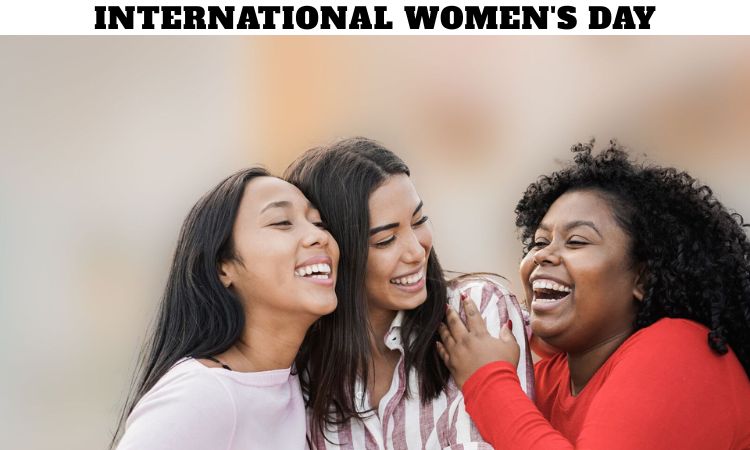
What Is International Women’s Day and When Is It Celebrated?
International Women’s Day is celebrated every year on March 8, honoring the social, economic, cultural, and political achievements of women worldwide. It is also a powerful call to action for accelerating gender equality and addressing ongoing challenges faced by women and girls.
International Women’s Day (IWD) is observed in many countries through marches, conferences, cultural events, social media campaigns, and educational initiatives. In some nations, it is even recognized as an official public holiday. Each year, a global theme highlights a specific focus area—such as leadership, innovation, inclusion, or empowerment—guiding activities and discussions across communities.
At its heart, International Women’s Day celebrates progress while acknowledging that much work remains to achieve true gender equality.
How Did International Women’s Day Begin?
The origins of International Women’s Day trace back to the early 20th century, during a time of rapid industrialization and social change. Women were advocating for better working conditions, fair wages, and voting rights.
In 1908, thousands of women marched in New York City demanding improved labor laws and suffrage. The following year, the first National Woman’s Day was observed in the United States. The idea of an international observance gained momentum at a women’s conference in Copenhagen in 1910, where activist Clara Zetkin proposed establishing a global day to promote women’s rights.
By 1911, International Women’s Day was celebrated in several European countries. Over time, it expanded worldwide. In 1975, during International Women’s Year, the United Nations officially began commemorating March 8 as International Women’s Day, giving the observance global recognition.
Why Is International Women’s Day Important Today?
Despite significant progress in education, healthcare, political representation, and workplace opportunities, gender inequality persists in many areas. Women continue to face wage gaps, underrepresentation in leadership roles, and barriers to education and healthcare in various regions.
International Women’s Day shines a spotlight on these issues. It raises awareness about discrimination, promotes policy changes, and encourages collective action. The day serves as a reminder that gender equality is not only a women’s issue—it is a societal and economic priority.
Research consistently shows that gender equality leads to stronger economies, healthier communities, and more inclusive societies. IWD reinforces the idea that empowering women benefits everyone.
What Achievements of Women Does This Day Celebrate?
International Women’s Day celebrates countless achievements across every field:
Politics: Women leaders have shaped nations and influenced global policy.
Science and Technology: Female scientists and innovators have transformed medicine, space exploration, and digital technology.
Arts and Culture: Women writers, artists, and performers have enriched cultural landscapes worldwide.
Business and Entrepreneurship: Women entrepreneurs are building companies and creating employment opportunities globally.
Sports: Female athletes have broken records and inspired new generations.
The day honors pioneers who overcame obstacles, as well as everyday women who contribute to their families and communities.
How Does the United Nations Support International Women’s Day?
The United Nations plays a central role in promoting gender equality through initiatives aligned with Sustainable Development Goal 5: Achieve gender equality and empower all women and girls.
Each year, the UN announces a specific theme that reflects current priorities, such as closing the digital gender gap or advancing women’s leadership in climate action. Events organized by the UN include panel discussions, campaigns, and reports highlighting global progress and challenges.
By providing an international platform, the United Nations ensures that women’s rights remain a key part of the global development agenda.
What Are Common Themes of International Women’s Day?
Every year, International Women’s Day adopts a theme to inspire action. Past themes have included:
“Choose to Challenge”
“Break the Bias”
“DigitALL: Innovation and Technology for Gender Equality”
“Invest in Women: Accelerate Progress”
These themes encourage individuals, organizations, and governments to take meaningful steps toward inclusion and equity.
Themes often focus on issues such as equal pay, leadership representation, access to education, and ending gender-based violence.
How Is International Women’s Day Celebrated Around the World?
International Women’s Day is marked in diverse ways globally:
Public Marches and Rallies: Advocacy groups organize events to demand equal rights.
Educational Workshops: Schools and universities host discussions about gender equality.
Corporate Events: Companies recognize female employees and promote inclusive policies.
Cultural Programs: Art exhibitions, concerts, and performances highlight women’s contributions.
Social Media Campaigns: Hashtags amplify voices and share stories worldwide.
In countries like Italy and Russia, women often receive flowers as a gesture of appreciation. In others, the day is more politically focused, emphasizing activism and reform.
What Challenges Do Women Still Face Globally?
Despite advancements, women face significant challenges:
Wage Gap: Women often earn less than men for similar work.
Underrepresentation: Leadership roles in politics and business are still male-dominated.
Education Barriers: In some regions, girls lack access to schooling.
Violence and Discrimination: Gender-based violence remains a global issue.
Unpaid Care Work: Women disproportionately shoulder household and caregiving responsibilities.
International Women’s Day raises awareness about these disparities and calls for systemic change.
How Can Individuals Support International Women’s Day?
Supporting International Women’s Day does not require grand gestures. Small actions can create a meaningful impact:
Educate Yourself: Learn about gender equality issues in your community.
Support Women-Owned Businesses: Choose to buy from female entrepreneurs.
Advocate for Equal Pay: Promote fair workplace policies.
Mentor and Empower: Encourage young girls to pursue their dreams.
Amplify Women’s Voices: Share stories and achievements online.
Men and boys also play an important role in challenging stereotypes and promoting equality.
How Does Education Empower Women and Girls?
Education is one of the most powerful tools for empowerment. Educated women are more likely to participate in the workforce, earn higher incomes, and contribute to economic growth. They are also better equipped to advocate for their rights and make informed decisions.
When girls stay in school, communities experience lower poverty rates and improved health outcomes. International Women’s Day underscores the importance of investing in education as a pathway to equality.
Why Is Women’s Leadership Crucial for the Future?
Women’s leadership brings diverse perspectives and innovative solutions to global challenges. Studies show that companies with gender-diverse leadership teams often perform better financially.
In politics, female leaders have demonstrated effective crisis management and inclusive policymaking. Increasing representation ensures that decisions reflect the needs of all citizens.
International Women’s Day highlights the importance of removing barriers that prevent women from reaching leadership positions.
How Has Social Media Influenced International Women’s Day?
Social media platforms have amplified the reach of International Women’s Day. Hashtags like #IWD and #InternationalWomensDay connect millions of users worldwide.
Digital campaigns share stories of resilience, promote awareness, and encourage global participation. Social media also provides a platform for grassroots activism and dialogue.
Through online engagement, International Women’s Day has become more inclusive and accessible.
What Is the Lasting Message of International Women’s Day?
International Women’s Day is a celebration of achievements and a reminder of ongoing work toward equality. It honors the courage of past generations while empowering future leaders.
March 8 is a day to recognize the strength, resilience, and contributions of women everywhere. It calls on individuals, communities, and governments to commit to meaningful change.