

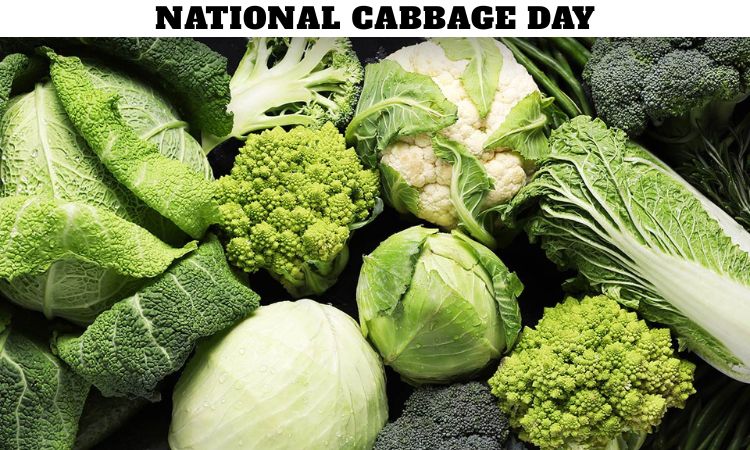
What Is National Cabbage Day and Why Is It Celebrated on February 17?
National Cabbage Day, observed every year on February 17, is a celebration dedicated to one of the most versatile and nutrient-dense vegetables in the world—cabbage. On this day, we recognize cabbage not merely as a kitchen staple but as a historical, cultural, and nutritional powerhouse that has nourished civilizations for centuries.
We celebrate National Cabbage Day to honor the vegetable’s global culinary influence, its exceptional health benefits, and its economic importance in agriculture. Cabbage is affordable, widely available, and adaptable to countless recipes, making it a cornerstone ingredient in kitchens worldwide.
February 17 serves as the perfect moment to rediscover cabbage in all its forms—from crunchy salads to fermented delicacies—and to appreciate its enduring presence across cultures.
Where Did Cabbage Originate and How Did It Spread Worldwide?
Cabbage traces its roots back over 2,000 years to the Mediterranean region of Europe. Ancient Greeks and Romans cultivated wild leafy varieties, gradually breeding them into the tightly packed heads we know today. Over time, cabbage spread across Europe, Asia, and eventually to the Americas through trade and migration.
We find cabbage deeply embedded in European peasant cuisine, prized for its long shelf life and resilience in cold climates. During harsh winters, it was often one of the few fresh vegetables available. Its durability made it an essential food for sailors and soldiers as well.
As global trade expanded, cabbage became a foundational vegetable in numerous culinary traditions, each adapting it to local flavors and techniques.
What Are the Different Types of Cabbage We Should Know?
Cabbage comes in several distinctive varieties, each offering unique flavor profiles and culinary uses:
1. Green Cabbage
The most common variety is characterized by smooth, pale green leaves and a mild flavor. Ideal for coleslaw, stir-fries, and soups.
2. Red Cabbage
Vibrant purple-red leaves rich in antioxidants. It adds color and crunch to salads and pickled dishes.
3. Savoy Cabbage
Wrinkled, tender leaves with a slightly sweet taste. Excellent for stuffed cabbage recipes and sautéed dishes.
4. Napa Cabbage
Also known as Chinese cabbage, with elongated leaves and a softer texture. Frequently used in Asian cuisine and kimchi.
Each type contributes unique textures and nutrients, making cabbage a remarkably adaptable vegetable.
Why Is Cabbage Considered a Nutritional Superfood?
Cabbage stands out as a low-calorie, high-nutrient vegetable packed with essential vitamins, minerals, and antioxidants. One cup of raw cabbage contains:
Vitamin C for immune support
Vitamin K for bone health
Fiber for digestive wellness
Folate for cellular function
Potassium for heart health
Red cabbage, in particular, contains anthocyanins, powerful antioxidants that help reduce inflammation and support cardiovascular health.
We recognize cabbage as a superfood because it provides maximum nutrition with minimal calories. Its high fiber content supports gut health, while its sulfur-containing compounds may aid detoxification processes in the body.
How Does Cabbage Support Digestive Health?
Cabbage is exceptionally rich in dietary fiber, which promotes healthy digestion and regular bowel movements. Fermented cabbage products such as sauerkraut and kimchi introduce beneficial probiotics that support gut microbiome balance.
The presence of glucosinolates—natural plant compounds—helps protect the stomach lining and may reduce the risk of ulcers. Regular consumption of cabbage can contribute to improved digestion, reduced bloating, and enhanced nutrient absorption.
What Are the Culinary Uses of Cabbage Across the World?
Cabbage’s global appeal lies in its extraordinary versatility. Different cultures have transformed this humble vegetable into iconic dishes:
Sauerkraut in Germany
Coleslaw in the United States
Kimchi in Korea
Borscht in Eastern Europe
Cabbage Rolls across Central Europe
In Asian cuisine, cabbage is frequently stir-fried with garlic and soy sauce, while in Mediterranean regions, it is incorporated into hearty stews.
We can roast, steam, sauté, ferment, grill, or even juice cabbage. Its adaptability makes it suitable for both traditional comfort food and modern healthy recipes.
How Can We Celebrate National Cabbage Day at Home?
Celebrating National Cabbage Day can be both delicious and creative. Here are meaningful ways to mark the occasion:
Cook a New Cabbage Recipe
Experiment with stuffed cabbage rolls, roasted cabbage steaks, or homemade coleslaw.
Make Fermented Cabbage
Prepare your own sauerkraut or kimchi to enjoy probiotic-rich benefits.
Host a Cabbage-Themed Meal
Invite friends and family for a cabbage-inspired dinner featuring multiple varieties and preparations.
Support Local Farmers
Purchase fresh cabbage from farmers’ markets and support sustainable agriculture.
By integrating cabbage into meals intentionally on February 17, we celebrate its culinary diversity and health benefits.
What Are the Agricultural Benefits of Growing Cabbage?
Cabbage is a resilient crop that thrives in cooler temperatures. It plays a vital role in crop rotation systems due to its soil-enhancing properties. Farmers appreciate cabbage for its relatively short growing cycle and high yield.
Additionally, cabbage can be stored for extended periods without significant nutrient loss, reducing food waste and ensuring availability during colder seasons.
Its economic importance makes it a staple crop in many countries, contributing to food security and sustainable farming practices.
Can Cabbage Help With Weight Management?
Cabbage is often included in weight management plans due to its low calorie density and high fiber content. It promotes satiety while delivering essential nutrients, making it ideal for calorie-conscious diets.
The vegetable’s water content further contributes to fullness, reducing the likelihood of overeating. Incorporating cabbage into soups, salads, and stir-fries can help maintain balanced nutrition while supporting weight goals.
Are There Beauty and Skincare Benefits of Cabbage?
Beyond the kitchen, cabbage has been used in traditional remedies for skin health. Its antioxidants and vitamins may help combat free radical damage. Cabbage leaves have historically been applied topically to soothe inflammation and swelling.
While modern skincare relies on advanced formulations, cabbage’s natural nutrient profile highlights its holistic value.
How Does Cabbage Fit Into Modern Healthy Diet Trends?
Cabbage aligns seamlessly with today’s popular dietary approaches:
Low-carb diets – Suitable as a rice or noodle substitute
Plant-based diets – A nutrient-dense vegetable option
Gluten-free diets – Naturally gluten-free
Fermented food trends – Key ingredient in probiotic foods
Its versatility ensures it remains relevant in evolving food cultures and wellness movements.
What Fun Facts Make Cabbage Even More Interesting?
Cabbage belongs to the Brassica family, which also includes broccoli and cauliflower.
The heaviest cabbage ever recorded weighed over 60 pounds.
Cabbage was once considered a symbol of wealth in certain cultures due to its importance as a food source.
It has been cultivated for more than two millennia.
These fascinating details underscore cabbage’s enduring global significance.
Why Does National Cabbage Day Matter Today?
In a world increasingly focused on sustainable food systems and health-conscious eating, cabbage stands as a symbol of simplicity, resilience, and nourishment. It represents the value of accessible nutrition and culinary creativity.
National Cabbage Day encourages us to rediscover this humble vegetable and integrate it more intentionally into our diets. By celebrating on February 17, we honor centuries of agricultural tradition and global culinary innovation.
How Can We Make Cabbage a Year-Round Staple?
To make cabbage a consistent part of our meals, we can:
Add shredded cabbage to tacos and sandwiches
Incorporate it into soups and stews
Prepare weekly fermented batches
Roast wedges as a hearty side dish
By exploring new cooking techniques, we expand our appreciation and enjoyment of cabbage beyond seasonal use.
Conclusion: Why Should We Embrace National Cabbage Day Wholeheartedly?
National Cabbage Day on February 17 is more than a celebration of a vegetable. It is a tribute to nutrition, sustainability, history, and culinary diversity. Cabbage embodies resilience, affordability, and health—qualities that remain vital in modern society.