

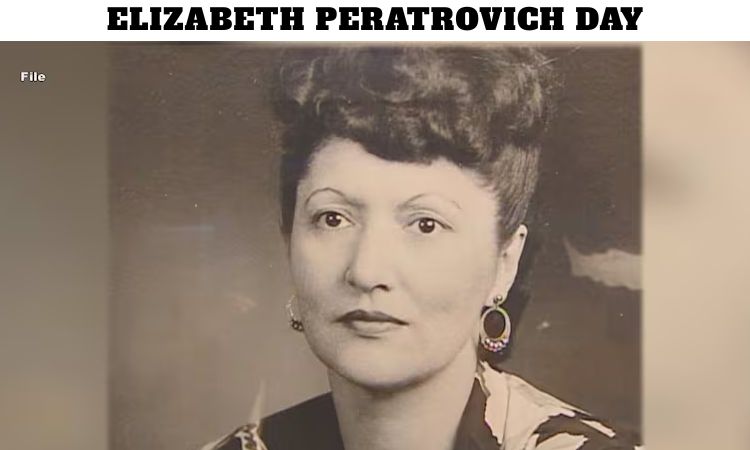
Why Is Elizabeth Peratrovich Day – February 16 a Landmark in Civil Rights History?
Every year on February 16, the state of Alaska observes Elizabeth Peratrovich Day, honoring a courageous Indigenous leader whose advocacy transformed civil rights in the United States. This day commemorates the legacy of Elizabeth Peratrovich, a Tlingit woman whose powerful voice and unwavering determination led to the passage of the Alaska Anti-Discrimination Act of 1945, one of the earliest civil rights laws in the nation.
Elizabeth Peratrovich Day is more than a state holiday—it is a recognition of resilience, equality, and the enduring fight against injustice. It celebrates a leader whose advocacy changed laws, challenged discrimination, and strengthened the foundation of human rights long before the national civil rights movement gained widespread momentum.
Who Was Elizabeth Peratrovich?
Elizabeth Peratrovich was born on July 4, 1911, in Petersburg, Alaska, and was of Tlingit heritage. Raised during a time when racial discrimination was both socially accepted and legally permitted, she experienced firsthand the injustices faced by Alaska Natives.
Signs reading “No Natives Allowed” or “No Dogs or Natives” were common in businesses, housing, and public establishments. These discriminatory practices marginalized Alaska Native communities and denied them equal access to services and opportunities.
Elizabeth Peratrovich, along with her husband Roy Peratrovich, became active leaders in advocating for equal rights. Their work through the Alaska Native Brotherhood and Alaska Native Sisterhood laid the groundwork for transformative legislative change.
What Happened on February 16, 1945?
On February 16, 1945, Elizabeth Peratrovich delivered a historic testimony before the Alaska Territorial Legislature in Juneau. At the time, Alaska was still a U.S. territory, not yet a state.
She testified in support of the proposed Anti-Discrimination Act, which sought to prohibit discrimination in public accommodations based on race. Her testimony came after the bill had previously failed.
During the hearing, a legislator questioned whether Indigenous people were “capable” of understanding civil rights legislation. In response, Elizabeth Peratrovich delivered a calm yet powerful rebuttal, asserting her rights as an American citizen and emphasizing that discrimination was unjust regardless of ethnicity.
Her eloquence and dignity persuaded lawmakers. The bill passed, making Alaska the first U.S. territory to enact anti-discrimination legislation—nearly two decades before the Civil Rights Act of 1964.
Why Is Elizabeth Peratrovich Day Important?
Elizabeth Peratrovich Day – February 16 serves as a reminder of the impact one individual can have in confronting systemic injustice. It is important for several reasons:
1. Early Civil Rights Milestone
The Alaska Anti-Discrimination Act of 1945 predates major federal civil rights legislation. It demonstrated that meaningful legal reform was possible even in the face of entrenched prejudice.
2. Indigenous Leadership Recognition
The day honors Indigenous leadership and highlights the contributions of Alaska Native communities to American history.
3. Inspiration for Equality Movements
Elizabeth Peratrovich’s advocacy continues to inspire modern movements for racial justice and equality.
What Was the Alaska Anti-Discrimination Act of 1945?
The Alaska Anti-Discrimination Act prohibited discrimination in public accommodations based on race. It made it illegal for businesses and public places to deny service to individuals because they were Alaska Native.
The passage of this law marked a significant turning point in the territory’s history. It affirmed that discrimination was not merely a social issue but a violation of fundamental rights.
This legislation laid a foundation for broader civil rights reforms across the United States.
How Did Elizabeth Peratrovich Influence Civil Rights in America?
While Elizabeth Peratrovich’s activism primarily impacted Alaska, its influence resonated nationally. Her success demonstrated that grassroots advocacy could challenge institutional discrimination.
Her work contributed to:
Recognition of Indigenous civil rights.
Increased political participation by Alaska Natives.
Broader awareness of racial injustice in U.S. territories.
Inspiration for later civil rights legislation.
Her leadership remains a powerful example of how local advocacy can produce lasting systemic change.
How Is Elizabeth Peratrovich Day Celebrated?
Elizabeth Peratrovich Day is officially recognized as a state holiday in Alaska. Observances include:
Educational programs in schools.
Cultural celebrations honoring Alaska Native heritage.
Public speeches and community events.
Historical exhibitions highlighting civil rights history.
Schools often teach students about her life, emphasizing courage, advocacy, and equality.
In 2020, the U.S. Mint honored her legacy by featuring her on the Alaska quarter as part of the American Women Quarters Program. This recognition further solidified her place in national history.
What Challenges Did Alaska Natives Face Before 1945?
Before the Anti-Discrimination Act, Alaska Natives faced widespread discrimination in housing, employment, education, and public services.
Common challenges included:
Segregated public spaces.
Limited job opportunities.
Unequal access to education.
Social stigma and racial prejudice.
Elizabeth Peratrovich’s advocacy addressed these injustices directly by seeking legislative reform rather than relying solely on social persuasion.
What Leadership Qualities Defined Elizabeth Peratrovich?
Elizabeth Peratrovich’s effectiveness as a leader stemmed from several key qualities:
Courage
Speaking before a legislature dominated by individuals resistant to change required extraordinary bravery.
Clarity
Her testimony was articulate and precise, cutting through prejudice with reason and dignity.
Resilience
Despite facing discrimination herself, she remained steadfast in her pursuit of justice.
Vision
She understood that equal rights were essential for the prosperity and unity of society.
These qualities continue to inspire leaders and activists today.
How Does Elizabeth Peratrovich Day Promote Indigenous Awareness?
Elizabeth Peratrovich Day emphasizes the importance of Indigenous history within the broader American narrative. It challenges the marginalization of Native contributions and highlights Indigenous resilience.
Recognizing this day encourages:
Greater understanding of Tlingit culture.
Respect for Indigenous sovereignty.
Inclusion of Native voices in policymaking.
Preservation of cultural heritage.
The day reinforces the message that civil rights progress must include all communities.
Why Is Her Legacy Relevant Today?
Racial inequality and discrimination remain ongoing concerns. Elizabeth Peratrovich’s story reminds us that change begins with advocacy and courage.
Her legacy remains relevant because:
Discrimination still affects marginalized communities.
Indigenous rights continue to require protection.
Civic participation remains essential for reform.
Education about civil rights history fosters empathy and progress.
Elizabeth Peratrovich Day – February 16 encourages reflection on current challenges while honoring past victories.
How Did Her Advocacy Extend Beyond Legislation?
Beyond her legislative achievements, Elizabeth Peratrovich actively worked to improve living conditions for Alaska Native communities. She served as a leader within the Alaska Native Sisterhood, promoting education, housing reform, and civic engagement.
Her influence extended into community organization, public awareness campaigns, and mentorship.
She demonstrated that civil rights work involves both legal reform and community empowerment.
What Lessons Can We Learn from Elizabeth Peratrovich?
Elizabeth Peratrovich’s life offers powerful lessons:
One voice can spark transformation.
Legislation can change social norms.
Persistence overcomes resistance.
Equality strengthens society.
Her example teaches that meaningful change requires determination, moral clarity, and collective effort.
How Can Individuals Honor Elizabeth Peratrovich Day?
Individuals can observe February 16 by:
Learning about Indigenous history.
Supporting Native-led organizations.
Promoting equality and inclusion.
Engaging in community discussions about civil rights.
Teaching future generations about her legacy.
Honoring Elizabeth Peratrovich means continuing the pursuit of justice in everyday actions.
Conclusion: Why Elizabeth Peratrovich Day Matters
Elizabeth Peratrovich Day commemorates a defining moment in civil rights history. It honors a courageous Tlingit leader who challenged systemic discrimination and secured groundbreaking legislation decades before national reforms.