

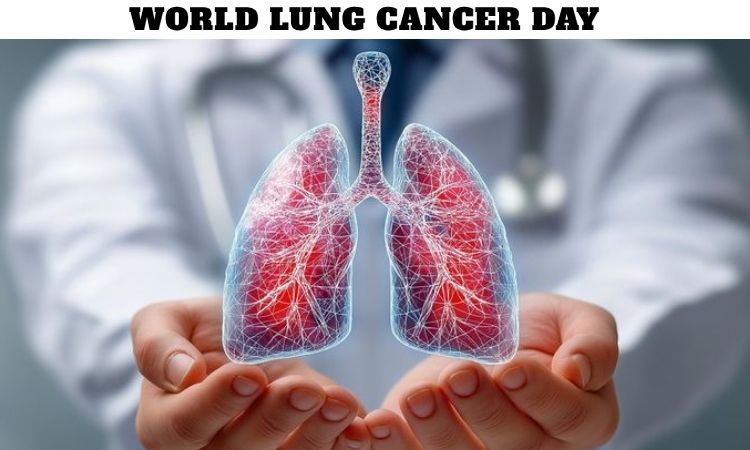
Why Is World Lung Cancer Day Observed on August 1?
World Lung Cancer Day is observed every year on August 1 to raise awareness about one of the world’s deadliest forms of cancer. The day serves as a global reminder of the importance of early detection, prevention, treatment advancements, and support for people living with lung cancer. Health organizations, medical professionals, researchers, survivors, caregivers, and advocacy groups come together to educate the public about the disease while encouraging people to recognize symptoms and seek medical attention without delay.
Lung cancer continues to affect millions of people worldwide regardless of age, gender, or lifestyle. While smoking remains the leading cause, a significant number of lung cancer cases occur in people who have never smoked. This highlights the importance of understanding all risk factors, including air pollution, occupational exposure to harmful substances, genetic mutations, and secondhand smoke. World Lung Cancer Day aims to reduce misconceptions, encourage healthier living, and inspire investments in research that can improve survival rates and quality of life.
What Is the History of World Lung Cancer Day?
World Lung Cancer Day was established through collaborative efforts by international healthcare organizations and lung cancer advocacy groups committed to increasing public understanding of the disease. Over the years, the observance has grown into a worldwide awareness campaign involving hospitals, cancer research institutions, governments, and nonprofit organizations.
Initially, awareness campaigns focused primarily on educating people about the dangers of smoking. However, as scientific research advanced, the campaign expanded to include information about early screening, personalized medicine, targeted therapies, immunotherapy, environmental risk factors, and emotional support for patients and families. Today, World Lung Cancer Day promotes a comprehensive approach that combines prevention, diagnosis, treatment, survivorship, and research.
Why Is World Lung Cancer Day So Important?
World Lung Cancer Day is important because lung cancer remains one of the leading causes of cancer-related deaths across the globe. Many patients receive a diagnosis only after the disease has reached an advanced stage because early symptoms are often mild or mistaken for common respiratory illnesses. Increased awareness can encourage individuals to seek medical evaluation sooner, potentially leading to earlier diagnosis and more successful treatment.
The observance also helps eliminate the stigma associated with lung cancer. Many people wrongly assume that every patient developed the disease due to smoking. In reality, lung cancer can affect nonsmokers as well. Understanding this fact encourages empathy, reduces judgment, and motivates broader public support for research and patient care.
Another important objective is promoting equal access to healthcare, screening programs, and modern treatment options. Awareness campaigns encourage governments and healthcare providers to improve cancer care infrastructure and invest in research that benefits future generations.
What Causes Lung Cancer?
Lung cancer develops when abnormal cells in the lungs begin growing uncontrollably. These cells can form tumors and interfere with normal lung function. If left untreated, cancer cells may spread to other parts of the body through the bloodstream or lymphatic system.
Smoking tobacco remains the largest risk factor, accounting for most cases worldwide. Cigarette smoke contains thousands of harmful chemicals, many of which are known carcinogens that damage DNA over time. However, smoking is not the only cause.
Exposure to secondhand smoke also increases risk. Long-term exposure to radon gas, asbestos, diesel exhaust, arsenic, silica dust, and industrial chemicals can contribute to lung cancer development. Air pollution has also become an increasingly recognized environmental risk factor. In some cases, inherited genetic mutations or family history may increase susceptibility even in individuals who have never smoked.
What Are the Common Symptoms of Lung Cancer?
The symptoms of lung cancer often appear gradually and may resemble common respiratory conditions, making early diagnosis difficult. A persistent cough that does not improve is one of the most common warning signs. Some people experience coughing up blood, chest pain, wheezing, or persistent shortness of breath.
Other symptoms may include unexplained weight loss, fatigue, recurring chest infections, hoarseness, shoulder pain, bone pain, headaches, or swelling in the face and neck if the cancer affects nearby blood vessels. Since these symptoms can result from many different conditions, medical evaluation is essential whenever they persist or worsen.
Recognizing these warning signs early significantly improves the chances of successful treatment and long-term survival.
Who Is Most at Risk of Developing Lung Cancer?
Although smokers face the highest risk, lung cancer can affect anyone. People with a long history of tobacco use are more likely to develop the disease, particularly if smoking began at an early age or continued for many years.
Individuals regularly exposed to secondhand smoke, workplace chemicals, asbestos, radon gas, or heavy air pollution may also face elevated risks. Older adults are more commonly diagnosed, but younger individuals can develop lung cancer as well.
People with a family history of lung cancer or certain inherited genetic mutations may have increased susceptibility. Chronic lung diseases such as COPD or pulmonary fibrosis may further raise the risk. Understanding these factors helps individuals discuss screening and prevention strategies with healthcare providers.
How Is Lung Cancer Diagnosed and Treated?
Modern medicine offers several methods to diagnose lung cancer accurately. Doctors typically begin with a physical examination, medical history, and imaging tests such as chest X-rays or CT scans. If abnormalities are detected, additional tests including PET scans, bronchoscopy, sputum analysis, needle biopsy, or surgical biopsy may be performed to confirm the diagnosis.
Treatment depends on the cancer type, stage, overall health, and genetic characteristics of the tumor. Surgery may be recommended for early-stage disease when the tumor can be removed completely. Radiation therapy uses high-energy beams to destroy cancer cells, while chemotherapy targets rapidly dividing cells throughout the body.
In recent years, targeted therapy and immunotherapy have transformed lung cancer treatment. Targeted therapies attack specific genetic mutations within cancer cells, while immunotherapy strengthens the body’s immune system to recognize and destroy cancer. Many patients now benefit from personalized treatment plans tailored to the unique biology of their cancer.
Supportive care, nutritional guidance, rehabilitation, pain management, and mental health counseling also play essential roles in improving quality of life during treatment.
How Can Lung Cancer Be Prevented?
Although not every case can be prevented, several lifestyle choices significantly reduce risk. Avoiding tobacco products remains the most effective preventive measure. Quitting smoking at any age lowers future cancer risk and improves overall health.
Limiting exposure to secondhand smoke is equally important. Testing homes for radon gas, especially in high-risk areas, helps identify invisible hazards. Following workplace safety regulations reduces exposure to industrial carcinogens such as asbestos and silica dust.
Maintaining healthy lungs through regular physical activity, a balanced diet rich in fruits and vegetables, and minimizing exposure to outdoor air pollution may also contribute to better respiratory health. Individuals at high risk should discuss low-dose CT screening with healthcare professionals, as screening can detect cancer before symptoms appear.
How Can You Participate in World Lung Cancer Day?
Everyone can contribute to the goals of World Lung Cancer Day regardless of medical background. Sharing accurate educational information helps increase awareness and encourages early diagnosis. Supporting friends, family members, and caregivers dealing with lung cancer creates stronger communities built on compassion.
Participating in awareness walks, fundraising events, educational seminars, and community health programs helps generate resources for research and patient support. Donating to reputable cancer organizations contributes to scientific discoveries and improved treatment options.
Healthcare professionals often organize free screening events, educational campaigns, and smoking cessation programs during this observance. Employers, schools, and community groups can also host discussions promoting healthy lifestyles and reducing tobacco use.
Individuals can encourage loved ones who experience persistent respiratory symptoms to seek medical evaluation rather than delaying care.
What Is the Future of Lung Cancer Research?
The future of lung cancer treatment continues to improve through groundbreaking scientific discoveries. Researchers are developing more effective targeted therapies, next-generation immunotherapies, liquid biopsy technologies, artificial intelligence-assisted diagnosis, and precision medicine approaches that personalize treatment based on each patient’s genetic profile.
Scientists are also exploring earlier screening methods capable of detecting cancer before symptoms develop. Clinical trials continue to evaluate innovative medications that improve survival while reducing treatment-related side effects.
Global collaboration between researchers, healthcare institutions, pharmaceutical companies, and patient advocacy organizations is accelerating progress. Continued investment in research provides hope that lung cancer will become increasingly preventable, detectable, and treatable in the years ahead.
Why Should Everyone Care About World Lung Cancer Day?
World Lung Cancer Day reminds us that awareness saves lives. Knowledge empowers individuals to recognize symptoms early, reduce personal risk factors, support loved ones facing cancer, and advocate for better healthcare access. The observance also encourages society to replace stigma with compassion while supporting scientific research that benefits current and future patients.
Every conversation about lung health has the potential to encourage someone to quit smoking, schedule a screening, seek medical advice, or support ongoing research. Small actions taken by individuals collectively contribute to meaningful progress against one of the world’s most challenging diseases. By observing World Lung Cancer Day every August 1, communities around the globe reaffirm their commitment to improving prevention, early detection, treatment, and hope for everyone affected by lung cancer.
Frequently Asked Questions (FAQs)
1. When is World Lung Cancer Day observed?
World Lung Cancer Day is observed every year on August 1.
2. Why is World Lung Cancer Day celebrated?
It raises awareness about lung cancer, promotes early detection, supports research, and educates people about prevention and treatment.
3. What is the leading cause of lung cancer?
Smoking tobacco is the leading cause, although nonsmokers can also develop lung cancer.
4. Can nonsmokers get lung cancer?
Yes. Lung cancer can occur due to genetic factors, radon exposure, air pollution, secondhand smoke, and occupational hazards.
5. What are the early symptoms of lung cancer?
Persistent cough, chest pain, shortness of breath, coughing up blood, fatigue, and unexplained weight loss are common early symptoms.
6. Can lung cancer be prevented?
Many cases can be prevented by avoiding tobacco, limiting exposure to harmful substances, testing for radon, and adopting a healthy lifestyle.
7. What treatments are available for lung cancer?
Treatment options include surgery, chemotherapy, radiation therapy, targeted therapy, immunotherapy, and personalized medicine.
8. Who should get screened for lung cancer?
People at high risk, especially long-term smokers or former smokers, should consult their healthcare provider about low-dose CT screening.
9. Why is early detection important?
Early diagnosis improves treatment success and significantly increases survival rates.
10. How can I support World Lung Cancer Day?
You can spread awareness, participate in educational events, support research organizations, encourage smoking cessation, and promote regular health checkups.