

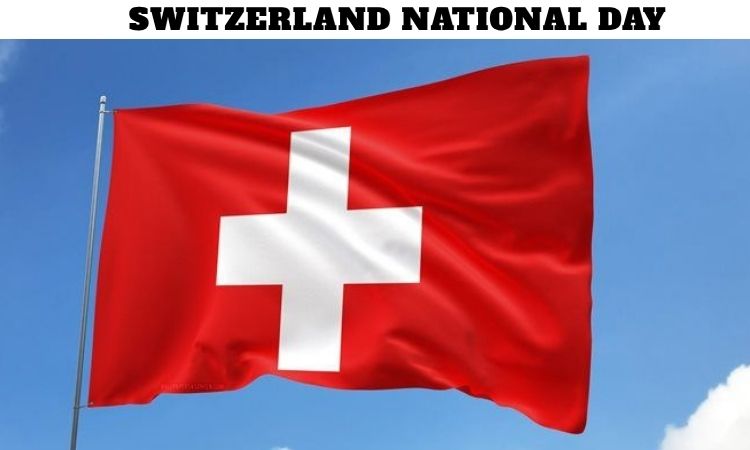
Why Is Switzerland National Day Celebrated on August 1?
Switzerland National Day is celebrated every year on August 1 to commemorate the founding of the Swiss Confederation in 1291. This national holiday honors the historic alliance formed by the three original cantons—Uri, Schwyz, and Unterwalden—which laid the foundation for modern Switzerland. The celebration reflects the country’s commitment to unity, democracy, independence, and peace. Across the nation, people gather to participate in cultural events, fireworks, parades, speeches, and traditional festivities that showcase the rich heritage of Switzerland.
The day is one of the most important public holidays in the country. Government offices, schools, and many businesses remain closed as families and communities come together to celebrate their shared identity. Swiss flags decorate homes, public buildings, streets, and mountainsides, creating a patriotic atmosphere throughout the country. From bustling cities to peaceful alpine villages, the spirit of national pride can be felt everywhere.
What Is the History Behind Switzerland National Day?
The origins of Switzerland National Day trace back to the Federal Charter of 1291, often regarded as the birth certificate of Switzerland. According to historical tradition, representatives from the cantons of Uri, Schwyz, and Unterwalden pledged mutual cooperation and defense against external threats. This alliance marked the beginning of the Old Swiss Confederacy, eventually leading to the development of one of the world’s oldest democracies.
Although the alliance was formed in 1291, Switzerland National Day was officially celebrated for the first time in 1891 during the 600th anniversary of the Confederation. The success of that celebration inspired annual observances across the country. However, it was not until 1994 that August 1 became an official public holiday throughout Switzerland after a nationwide referendum.
Today, the holiday serves as a reminder of Switzerland’s historical journey from a small alpine alliance to a prosperous, multicultural, and neutral nation recognized worldwide for its stability, innovation, and quality of life.
Why Is Switzerland National Day Important?
Switzerland National Day represents far more than a historical anniversary. It symbolizes the values that have shaped Swiss society for centuries, including freedom, cooperation, federalism, neutrality, and respect for diversity. Switzerland is home to multiple linguistic and cultural communities, including German, French, Italian, and Romansh speakers. Despite these differences, the nation has maintained remarkable unity through democratic principles and local autonomy.
The celebration also reflects Switzerland’s commitment to direct democracy, where citizens regularly vote on national and regional issues. This political system encourages active participation and strengthens trust between the government and the people. National Day reminds citizens of the importance of preserving these democratic traditions for future generations.
For visitors, the holiday provides a unique opportunity to experience authentic Swiss culture through music, food, traditional costumes, and community events.
How Do People Celebrate Switzerland National Day?
Switzerland National Day is celebrated with enthusiasm across cities, towns, and villages. One of the most recognizable traditions is displaying the Swiss flag on homes, balconies, and public spaces. Red and white decorations transform streets into festive environments filled with national pride.
Communities organize official ceremonies featuring speeches by political leaders, local officials, and respected citizens. These speeches often focus on Swiss history, democracy, national unity, and future aspirations. Many municipalities host concerts featuring traditional Swiss folk music alongside modern performances that appeal to all generations.
Fireworks are among the most anticipated attractions of the evening. Colorful displays illuminate lakes, mountains, and city skylines, drawing thousands of spectators. Bonfires are another longstanding tradition that symbolizes the historic beacon fires once used to communicate between mountain communities.
Families often gather for outdoor picnics, neighborhood barbecues, and local festivals. Children enjoy lantern parades, games, and cultural activities, making the holiday memorable for people of every age.
What Traditions Make Switzerland National Day Unique?
Switzerland National Day includes several traditions that have been preserved for generations. Bonfires built on hilltops are one of the oldest customs. Historically, these fires represented communication and solidarity among communities living in mountainous regions. Today, they continue to symbolize national unity and independence.
Traditional alphorn performances are another distinctive feature of the celebrations. The alphorn, a long wooden instrument once used by shepherds in the Alps, produces deep, resonant sounds that have become an iconic part of Swiss cultural identity.
Yodeling performances, folk dancing, and parades featuring people dressed in traditional regional costumes also highlight the diversity of Swiss heritage. Visitors often have the chance to watch demonstrations of traditional crafts, including wood carving, cheese making, and watchmaking.
Church bells ring throughout the country on National Day, adding a ceremonial atmosphere that connects modern celebrations with centuries-old traditions.
What Foods Are Enjoyed During Switzerland National Day?
Swiss cuisine plays an important role in National Day celebrations. Families and friends gather to enjoy meals that feature regional specialties and locally produced ingredients. Barbecues are common, especially in parks, gardens, and lakeside areas where people spend the holiday outdoors.
Popular dishes include grilled sausages, rösti, cheese fondue, raclette, fresh bread, and seasonal salads. Swiss cheeses remain central to many festive meals, reflecting the country’s long-standing dairy traditions.
Desserts such as meringues with cream, fruit tarts, chocolate treats, and pastries are frequently served during celebrations. Swiss chocolate, recognized worldwide for its exceptional quality, is often shared as a symbol of national pride.
Many communities also organize food festivals where visitors can sample specialties from different regions, demonstrating the culinary diversity found across the Swiss Confederation.
What Are Some Interesting Facts About Switzerland National Day?
Switzerland National Day offers many fascinating insights into the country’s history and culture. The holiday commemorates an alliance formed more than seven centuries ago, making it one of Europe’s oldest national celebrations connected to a founding document.
Switzerland has four official languages—German, French, Italian, and Romansh—yet National Day unites citizens regardless of linguistic or cultural background. The country is also internationally recognized for maintaining a policy of neutrality for over two centuries, contributing to its reputation as a center for diplomacy and international cooperation.
Another interesting fact is that many Swiss citizens celebrate the holiday in mountain villages, where traditional customs have remained largely unchanged for generations. The combination of alpine landscapes, historic villages, and cultural festivities creates a unique National Day experience that attracts visitors from around the world.
The Swiss flag is also distinctive because it is one of the few national flags with a square shape instead of a rectangular design.
How Does Switzerland National Day Reflect Swiss Culture?
Switzerland National Day highlights the country’s deep respect for community, tradition, and democratic participation. The celebrations emphasize local identity while reinforcing national unity, demonstrating how diverse regions work together within a federal system.
The holiday showcases Switzerland’s appreciation for its natural landscapes, with many events taking place near lakes, mountains, forests, and historic town centers. Outdoor gatherings encourage people to enjoy the country’s remarkable scenery while celebrating their shared heritage.
Respect for punctuality, organization, cleanliness, and civic responsibility also becomes evident during National Day festivities. Events are carefully planned, public spaces remain well maintained, and communities work together to create enjoyable experiences for residents and visitors alike.
Through music, traditional dress, regional cuisine, and historical ceremonies, Switzerland National Day preserves cultural customs while embracing the country’s modern identity.
Why Should Visitors Experience Switzerland National Day?
For travelers, Switzerland National Day provides an unforgettable opportunity to experience authentic Swiss traditions beyond the country’s famous mountains and scenic railways. Visitors can witness spectacular fireworks reflected on crystal-clear lakes, enjoy traditional music in picturesque villages, and participate in community festivals that welcome international guests.
Many cities organize open-air concerts, cultural exhibitions, and family-friendly activities throughout the day. Historic towns become vibrant centers of celebration where visitors can learn about Swiss history while enjoying regional food and entertainment.
The festive atmosphere, combined with Switzerland’s breathtaking landscapes and efficient transportation system, makes August 1 an ideal time to explore the country. Whether visiting Zurich, Geneva, Bern, Lucerne, Interlaken, or a small alpine village, travelers gain a deeper appreciation for Swiss history, traditions, and hospitality.
What Can We Learn from Switzerland National Day?
Switzerland National Day reminds people around the world that unity can thrive despite cultural and linguistic diversity. The country’s history demonstrates how cooperation, democratic values, mutual respect, and peaceful dialogue can build a stable and prosperous society.
The celebration encourages citizens to remember the sacrifices and vision of earlier generations while inspiring future generations to protect democratic institutions and national heritage. It also highlights the importance of balancing tradition with innovation, allowing Switzerland to remain one of the world’s most admired countries.
Ultimately, Switzerland National Day is a celebration of independence, freedom, community, and shared responsibility. It honors the enduring spirit of a nation that has preserved its unique identity for more than seven centuries while continuing to serve as a global example of peace, democracy, and cooperation.
Frequently Asked Questions (FAQs)
1. When is Switzerland National Day celebrated?
Switzerland National Day is celebrated every year on August 1.
2. Why is Switzerland National Day celebrated?
It commemorates the founding of the Swiss Confederation in 1291 through the Federal Charter.
3. Is August 1 a public holiday in Switzerland?
Yes, it is an official nationwide public holiday.
4. What happened in 1291?
The cantons of Uri, Schwyz, and Unterwalden formed an alliance that became the foundation of modern Switzerland.
5. How do Swiss people celebrate National Day?
People celebrate with fireworks, bonfires, speeches, concerts, parades, family gatherings, and cultural events.
6. What is the significance of bonfires on Switzerland National Day?
Bonfires symbolize unity, communication, and the country’s historical traditions.
7. What traditional foods are eaten on Switzerland National Day?
Popular foods include raclette, cheese fondue, rösti, grilled sausages, Swiss cheese, chocolate, and local desserts.
8. Why is the Swiss flag unique?
The Swiss national flag is square, making it one of the few square national flags in the world.
9. When did August 1 become an official public holiday?
It officially became a nationwide public holiday in 1994.
10. Can tourists participate in Switzerland National Day celebrations?
Yes. Visitors are welcome to enjoy public festivals, fireworks, concerts, and cultural events across Switzerland.