

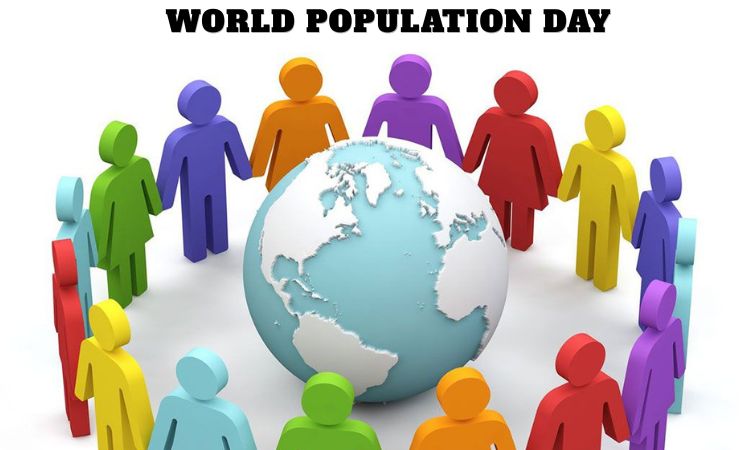
Why Is World Population Day Celebrated on July 11?
World Population Day is observed every year on July 11 to raise awareness about global population issues and their impact on society, the environment, economies, and future generations. The day focuses on important topics such as reproductive health, family planning, gender equality, poverty reduction, education, and sustainable development. As the global population continues to grow and societies experience rapid changes, World Population Day serves as an opportunity to understand population-related challenges and encourage solutions that improve the quality of life for people around the world.
The idea behind this observance is not only to discuss the number of people living on Earth but also to highlight the importance of ensuring that every individual has access to basic rights, healthcare, education, and opportunities. Population growth affects resources, climate change, employment, housing, and public services, making it essential for governments, organizations, and communities to work together toward balanced and sustainable development.
What Is the History of World Population Day?
World Population Day was established by the United Nations Development Programme in 1989 after the world’s population reached five billion on July 11, 1987. The milestone attracted worldwide attention and encouraged discussions about population trends and their consequences. Inspired by the success of the Five Billion Day campaign, the United Nations decided to create an annual event dedicated to population awareness.
The first official World Population Day was celebrated on July 11, 1990. Since then, the day has been observed globally with activities, campaigns, educational programs, and discussions organized by governments, non-governmental organizations, and international institutions.
Over the years, the focus of World Population Day has expanded beyond population numbers. Modern celebrations address issues such as reproductive rights, maternal health, youth empowerment, migration, urbanization, environmental sustainability, and equal access to resources. The day encourages people to understand how population changes influence the future of humanity and the planet.
Why Is World Population Day Important for the World?
World Population Day is important because population growth influences nearly every aspect of human life. A growing population creates opportunities for innovation, economic development, and cultural exchange, but it also creates challenges related to resources, healthcare, education, employment, and environmental protection.
One of the major goals of this day is to promote awareness about reproductive health and family planning. Access to reliable healthcare services and information allows individuals and families to make informed decisions about their futures. When people have control over their reproductive choices, communities often experience improvements in education levels, economic stability, and overall well-being.
The day also highlights the importance of protecting the rights of women and girls. Gender equality plays a significant role in population development because educated and empowered women are more likely to participate in economic activities, make informed health decisions, and contribute positively to their communities.
How Does Population Growth Affect the Environment?
Population growth has a direct relationship with environmental sustainability. As the number of people increases, demand for food, water, energy, housing, and transportation also rises. If resources are not managed responsibly, population growth can contribute to deforestation, pollution, loss of biodiversity, and increased greenhouse gas emissions.
Rapid urbanization is another major challenge linked to population growth. Many cities around the world are expanding quickly as people move in search of better employment and opportunities. Without proper planning, growing cities may face problems such as traffic congestion, inadequate housing, waste management issues, and pressure on public services.
However, population growth itself is not the only factor affecting the environment. Consumption patterns, technology, resource management, and government policies also play important roles. Sustainable practices, renewable energy, efficient resource use, and environmental awareness can help societies manage population-related challenges effectively.
What Are the Main Goals of World Population Day?
The main goals of World Population Day are to increase awareness about population issues and encourage actions that support healthier and more sustainable communities. The day promotes several important objectives, including improving access to reproductive healthcare, reducing poverty, supporting education, and protecting human rights.
Another key goal is to encourage governments and organizations to create policies that address population challenges. Effective population policies can help improve healthcare systems, strengthen education programs, create employment opportunities, and support sustainable development.
World Population Day also focuses on young people because they represent a significant part of the global population. Providing young individuals with education, skills, and healthcare opportunities helps create stronger societies and prepares future generations to handle global challenges.
How Has the Global Population Changed Over Time?
The global population has experienced significant growth throughout history. For thousands of years, the world population remained relatively small because of limited resources, diseases, and high mortality rates. However, improvements in medicine, sanitation, agriculture, and technology led to rapid population growth, especially during the last few centuries.
The global population reached one billion in the early 19th century and continued increasing at a faster rate. By the 20th century, advances in healthcare and living conditions contributed to major population growth. The world population reached five billion in 1987, which inspired the creation of World Population Day.
Today, population growth patterns vary greatly between countries. Some nations continue to experience rapid growth due to higher birth rates and younger populations, while others face challenges related to aging populations and declining birth rates. Understanding these differences helps policymakers develop strategies that meet the unique needs of different societies.
What Are Some Major Population Challenges Facing the World Today?
The world faces several population-related challenges that require cooperation and long-term planning. One major challenge is ensuring equal access to healthcare and education. Millions of people still lack essential medical services, reproductive healthcare, and educational opportunities, which affects social and economic development.
Another challenge is managing population growth in areas where resources are limited. Many communities struggle with access to clean water, nutritious food, affordable housing, and employment opportunities. Climate change has increased these difficulties by creating additional pressures on natural resources.
Migration is also an important population issue. People move across regions and countries due to economic opportunities, conflicts, environmental changes, and other factors. Managing migration effectively requires policies that protect human rights while supporting social and economic stability.
How Can People Celebrate World Population Day?
People can observe World Population Day by learning more about population issues and sharing awareness with others. Educational institutions, communities, and organizations often conduct discussions, workshops, and campaigns to highlight topics related to population growth, healthcare, and sustainability.
Individuals can contribute by supporting education, promoting equality, reducing waste, conserving natural resources, and encouraging responsible decisions within their communities. Small actions, when combined globally, can create meaningful positive change.
Governments and organizations also play an important role by investing in healthcare, education, sustainable development, and policies that improve living conditions. World Population Day reminds everyone that population challenges require collective responsibility and cooperation.
What Is the Future of Global Population Growth?
The future of global population growth will depend on various factors, including birth rates, healthcare improvements, economic conditions, education levels, and government policies. While the global population is expected to continue growing for some time, the rate of growth has slowed in many regions.
Future population trends will create both opportunities and challenges. A larger working-age population can support economic growth if people have access to education and employment. At the same time, societies must prepare for issues such as resource management, environmental protection, and changing demographic patterns.
Building a sustainable future requires balancing human development with environmental responsibility. World Population Day encourages people to focus not only on population numbers but also on creating a world where everyone can live with dignity, security, and equal opportunities.
Frequently Asked Questions (FAQs)
1. When is World Population Day celebrated?
World Population Day is celebrated every year on July 11 to raise awareness about global population issues and challenges.
2. Who started World Population Day?
World Population Day was established by the United Nations Development Programme in 1989.
3. Why is World Population Day observed?
The day is observed to increase awareness about population-related issues, including healthcare, education, family planning, gender equality, and sustainable development.
4. What was the reason behind choosing July 11 for World Population Day?
July 11 was chosen because the global population reached five billion on July 11, 1987, which inspired worldwide discussions about population challenges.
5. What is the main theme of World Population Day?
The theme changes every year and usually focuses on important population topics such as reproductive health, equality, sustainability, and human rights.
6. How does population growth affect society?
Population growth can influence healthcare, education, employment, housing, infrastructure, and natural resources.
7. How can individuals help address population challenges?
Individuals can help by supporting education, conserving resources, promoting equality, and spreading awareness about population issues.
8. Is population growth always harmful?
No, population growth can bring economic opportunities and innovation when supported by proper planning, education, and sustainable resource management.
9. What role does education play in population development?
Education helps people make informed decisions, improves economic opportunities, and supports healthier communities.
10. What is the importance of family planning in population management?
Family planning allows individuals and families to make informed choices about the number and spacing of children while improving health and social well-being.