

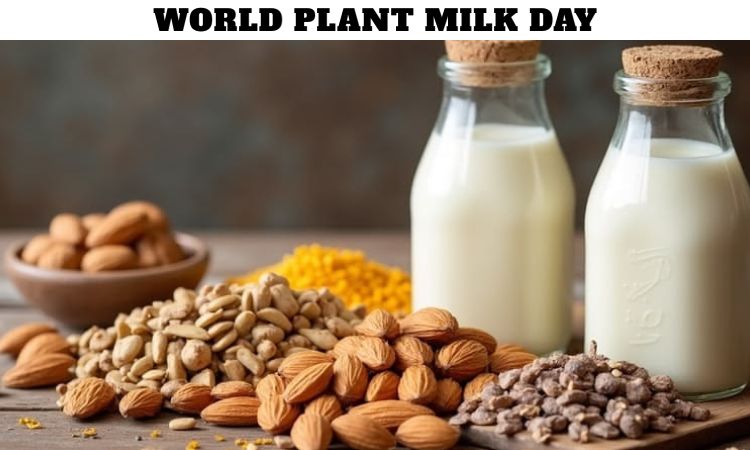
World Plant Milk Day is observed every year on August 22 to recognize the growing popularity of plant-based milk and encourage people to explore alternatives to traditional dairy milk. From almond and soy milk to oat, coconut, rice, and pea milk, plant-based beverages have become an important part of modern diets around the world.
The day provides an opportunity to learn more about different types of plant milk, understand their nutritional characteristics, consider their environmental impact, and discover creative ways to include them in everyday meals.
As more people become interested in sustainable food choices, lactose-free diets, vegan lifestyles, and diverse nutritional options, plant milk has moved from a niche product to a familiar choice in supermarkets, cafés, restaurants, and households.
What Is World Plant Milk Day?
World Plant Milk Day is celebrated on August 22 as a day dedicated to raising awareness about plant-based milk and the choices available to consumers who want alternatives to dairy.
Plant milk is generally made by processing plant ingredients with water and creating a beverage that can be used in many of the same ways as conventional milk. Depending on the ingredient, manufacturers may add vitamins, minerals, calcium, vitamin D, vitamin B12, or other nutrients.
The day also encourages people to think about where their food comes from and how different dietary choices can influence animals, agriculture, natural resources, and the environment.
For some people, plant milk is a lifestyle choice. For others, it is simply a convenient alternative that fits their dietary needs or taste preferences.
Why Is World Plant Milk Day Celebrated on August 22?
August 22 is recognized as World Plant Milk Day to bring attention to the expanding range of plant-based alternatives available to consumers.
The date serves as an annual reminder that milk does not have to come exclusively from animals. Plants can provide ingredients for beverages with different flavors, textures, nutritional profiles, and culinary applications.
Celebrating the day also gives consumers an opportunity to experiment. Someone who normally drinks dairy milk might try oat milk in coffee, soy milk in a smoothie, or almond milk with breakfast cereal.
The broader purpose is not necessarily to tell everyone to follow one particular diet. Instead, the occasion encourages awareness, informed food choices, and exploration of plant-based alternatives.
What Are the Most Popular Types of Plant Milk?
There are many varieties of plant milk, and each has its own characteristics.
Soy milk is one of the most established plant-based alternatives. It naturally contains relatively significant amounts of protein compared with many other plant beverages and is widely used in cooking, baking, smoothies, and beverages.
- Almond milk has a mild, slightly nutty flavor and is popular in cereals, coffee, smoothies, and desserts. Unsweetened versions are often chosen by people looking for a lower-sugar beverage.
- Oat milk has become particularly popular because of its creamy texture and naturally pleasant flavor. It is frequently used in coffee drinks and works well in baking and breakfast recipes.
- Coconut milk beverages provide a distinctive tropical flavor. They should not be confused with canned culinary coconut milk, which is considerably richer and is commonly used in curries, soups, sauces, and desserts.
- Rice milk has a relatively mild and naturally sweet flavor and can be suitable for people who want to avoid dairy, soy, or nuts.
- Pea milk is another modern option. It can provide a substantial amount of plant protein and is increasingly available in different formulations.
Other varieties include cashew milk, hazelnut milk, hemp milk, and blends made from multiple plant ingredients.
What Are the Nutritional Benefits of Plant Milk?
The nutritional value of plant milk depends heavily on the ingredient, recipe, fortification, and brand.
Some plant milks naturally provide nutrients, while others are fortified with calcium, vitamin D, vitamin B12, and other vitamins or minerals to make them nutritionally comparable to certain dairy products.
Soy milk is often considered one of the more protein-rich plant beverages. Pea milk can also provide significant protein. By contrast, some almond and rice beverages may contain relatively little protein.
This difference makes it important to read the nutrition label instead of assuming that every plant milk has the same nutritional profile.
Consumers should pay particular attention to protein, added sugar, calcium, vitamin D, vitamin B12, and calorie content when selecting a product.
Unsweetened varieties can be particularly useful for people who want to reduce added sugar in their everyday beverages.
Can Plant Milk Be a Good Alternative to Dairy Milk?
Plant milk can be an effective alternative to dairy milk for many people, but the best choice depends on individual nutritional needs, taste preferences, allergies, dietary patterns, and the way the beverage will be used.
For example, someone primarily interested in protein may prefer soy or pea milk. Someone who wants a creamy addition to coffee may prefer oat milk. Someone looking for a mild flavor may choose rice or almond milk.
For children, older adults, athletes, or people with specific nutritional requirements, choosing an appropriately fortified product can be especially important.
Plant milk should therefore be viewed as a category rather than a single food. The nutritional characteristics of one product can be very different from another.
Why Are People Choosing Plant-Based Milk?
People choose plant milk for many different reasons.
Some follow a vegan or vegetarian lifestyle, while others want to reduce their consumption of animal products without completely eliminating them.
Lactose intolerance is another reason. People who have difficulty digesting lactose may find lactose-free dairy milk or plant-based beverages more suitable.
Milk allergies can also influence food choices, although people with allergies must carefully check labels because plant-based products can contain allergens such as soy or tree nuts.
Taste is another major factor. Oat, almond, soy, coconut, and other plant beverages offer flavors that appeal to different consumers.
Environmental considerations have also contributed to interest in plant-based foods. Many consumers want to explore dietary choices that may have different effects on land, water, energy use, and greenhouse gas emissions.
How Does Plant Milk Compare With Dairy Milk Environmentally?
The environmental impact of food production depends on numerous factors, including farming methods, transportation, processing, packaging, and land use.
In general, plant-based beverages can have different environmental footprints from dairy milk, particularly regarding greenhouse gas emissions and land requirements. However, the impact varies considerably between different crops and production systems.
For example, almonds are sometimes discussed in relation to water use, while oats and other crops have different agricultural requirements. Soy production can also have varying environmental consequences depending on where and how it is grown.
Therefore, there is no single environmental score that applies equally to every plant milk.
World Plant Milk Day provides a useful opportunity to think beyond simple comparisons and consider the wider food system.
How Can We Celebrate World Plant Milk Day?
Celebrating World Plant Milk Day on August 22 can be as simple as trying a new plant-based beverage.
We can replace dairy milk with oat milk in morning coffee, prepare a smoothie with soy milk, use almond milk with cereal, or experiment with plant milk in pancakes and baked goods.
Families can organize a small tasting session featuring several varieties and compare their flavor, texture, aroma, and culinary uses.
Schools and workplaces can also use the occasion to discuss food diversity, sustainable agriculture, nutrition, and responsible consumption.
Another meaningful way to celebrate is to learn how plant milk is produced and understand the differences between various products before making purchasing decisions.
What Recipes Can We Make With Plant Milk?
Plant milk is remarkably versatile and can be incorporated into both sweet and savory recipes.
Breakfast recipes such as oatmeal, pancakes, French toast, cereal, chia pudding, and smoothies can easily incorporate plant-based beverages.
For beverages, oat and almond milk can be used in coffee, while soy milk works well in smoothies and other drinks.
Plant milk can also be used for baking cakes, muffins, cookies, breads, and desserts. The specific variety can influence the final taste and texture, so experimentation can be part of the fun.
Creamier plant beverages may work better in certain sauces and soups, while lighter varieties can be useful in recipes where a neutral flavor is preferred.
How Should We Choose a Healthy Plant Milk?
Choosing plant milk should begin with reading the nutrition label.
We can look for products that provide useful amounts of protein and calcium while limiting unnecessary added sugar. Fortification with vitamin D and vitamin B12 can also be valuable, particularly for people whose diets contain few or no animal products.
Ingredient lists are worth checking as well. Different products may contain oils, stabilizers, sweeteners, flavors, or other ingredients.
The best choice ultimately depends on individual needs. An unsweetened, fortified product may be a practical everyday option, while a flavored variety can be enjoyed occasionally as part of a balanced diet.
Is Plant Milk Suitable for Everyone?
Plant milk can be suitable for many people, but it is not automatically appropriate for everyone.
Individuals with food allergies need to check ingredients carefully. Soy milk and nut-based beverages, for example, may not be appropriate for people with corresponding allergies.
Nutritional differences also matter. Some plant beverages contain very little protein or may not provide the same nutrients as dairy milk unless they are fortified.
For infants, plant beverages should not automatically be used as substitutes for breast milk or infant formula. Specific nutritional requirements apply during infancy.
For people with particular dietary or medical needs, professional dietary guidance can help determine the most appropriate choice.
What Is the Future of Plant-Based Milk?
The plant-based milk market continues to evolve as consumers seek more variety, improved taste, convenient nutrition, and environmentally conscious food choices.
New products are being developed using different grains, legumes, seeds, nuts, and combinations of plant ingredients. Manufacturers are also working to improve texture, flavor, nutritional content, and sustainability.
As plant-based foods become more mainstream, consumers are likely to see an even broader selection of beverages designed for coffee, cooking, sports nutrition, breakfast, and everyday drinking.
World Plant Milk Day on August 22 therefore represents more than a single type of beverage. It highlights the growing diversity of the modern food system and encourages people to make informed choices based on nutrition, preference, culture, affordability, and sustainability.
How Can We Make World Plant Milk Day More Meaningful?
We can make the day meaningful by treating it as an opportunity to learn rather than simply consume a new product.
Trying a new plant milk, reading nutrition labels, preparing a plant-based recipe, discussing sustainable food production, or sharing information with friends and family can all be simple ways to participate.
The occasion also reminds us that food choices are personal. Different people have different nutritional requirements, cultural traditions, budgets, and preferences.
By exploring those differences and understanding what we eat, World Plant Milk Day can become an opportunity to discover new foods while encouraging thoughtful and informed choices.
Frequently Asked Questions (FAQs)
1. When is World Plant Milk Day celebrated?
World Plant Milk Day is celebrated on August 22 every year. The day highlights plant-based milk alternatives and encourages people to learn about their nutritional, culinary, and environmental characteristics.
2. What is the purpose of World Plant Milk Day?
The purpose of World Plant Milk Day is to raise awareness about plant-based milk and the alternatives available to consumers. It also encourages people to explore different plant-based beverages and make informed dietary choices.
3. What are the most common types of plant milk?
Common varieties include soy milk, almond milk, oat milk, coconut milk beverages, rice milk, and pea milk. Cashew, hemp, hazelnut, and other plant-based beverages are also available.
4. Is plant milk healthier than dairy milk?
There is no single answer because nutritional values vary widely. Some plant milks provide useful amounts of protein and are fortified with calcium and vitamins, while others may contain less protein or more added sugar. Comparing nutrition labels is important.
5. Which plant milk has the most protein?
Soy milk and pea milk are generally among the more protein-rich plant-based beverages, although exact amounts vary by product and formulation.
6. Is oat milk good for coffee?
Yes. Oat milk is widely used in coffee because many varieties have a creamy texture and blend well with espresso and other coffee beverages.
7. Is plant milk suitable for people with lactose intolerance?
Plant milk is naturally lactose-free, so it can be an option for people who avoid lactose. However, individual dietary needs vary, and product labels should always be checked for other ingredients or allergens.
8. Does plant milk contain calcium?
Some plant milks naturally contain small amounts of calcium, while many commercial products are fortified with calcium. Checking the nutrition label is the best way to determine the calcium content.
9. How can we celebrate World Plant Milk Day?
We can celebrate by trying a new plant milk, preparing a plant-based recipe, organizing a tasting session, learning about nutrition, or sharing information about plant-based alternatives with friends and family.
10. Is plant milk environmentally friendly?
Plant-based beverages can have different environmental impacts from dairy milk, but the footprint varies depending on the crop, farming practices, processing, packaging, and transportation. Different plant milks also have different environmental considerations.