

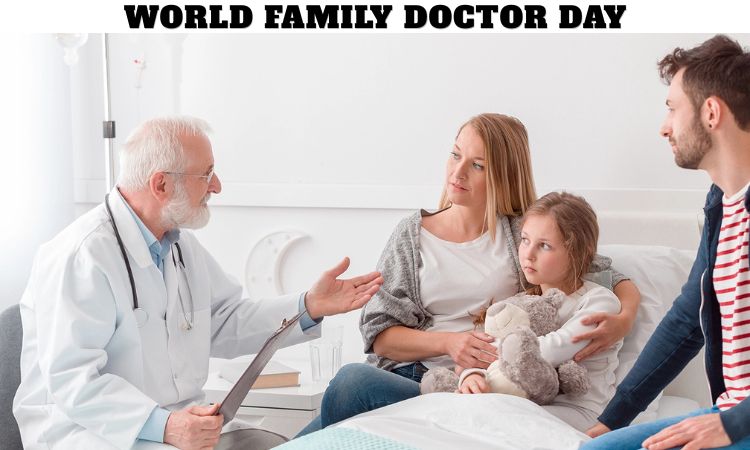
What Is World Family Doctor Day, and Why Is It Celebrated on May 19?
World Family Doctor Day is observed every year on May 19 to recognize the vital role family doctors play in healthcare systems around the world. The day honors physicians who provide continuous, comprehensive, and compassionate medical care to individuals and families across all ages, genders, and medical conditions.
Family doctors are often the first point of contact in healthcare. They diagnose illnesses, manage chronic diseases, provide preventive care, guide patients through treatment plans, and build long-term relationships with families and communities. Their role extends beyond medical treatment because they also support emotional well-being, health education, and disease prevention.
World Family Doctor Day was established by the World Organization of Family Doctors to raise awareness about the importance of family medicine and to celebrate the dedication of family physicians worldwide.
The observance highlights the essential contribution family doctors make toward stronger healthcare systems, healthier populations, and accessible medical care for all.
How Did World Family Doctor Day Begin?
World Family Doctor Day was first introduced in 2010 by the World Organization of Family Doctors, commonly known as WONCA. The organization created the annual observance to promote recognition of family medicine as a cornerstone of healthcare systems globally.
The initiative aimed to emphasize the importance of primary healthcare services and acknowledge the commitment of family doctors who serve communities every day. Since its launch, countries around the world have celebrated the occasion through medical conferences, awareness campaigns, educational programs, and community events.
The day has grown significantly in international recognition because family physicians play a critical role in maintaining public health, especially in rural and underserved areas.
Why Are Family Doctors Important in Healthcare?
Family doctors are essential because they provide comprehensive medical care for patients throughout every stage of life. Unlike specialists who focus on specific organs or diseases, family physicians treat a broad range of health conditions and focus on overall wellness.
Their responsibilities include:
- Diagnosing and treating illnesses
- Managing chronic conditions
- Conducting routine checkups
- Providing vaccinations
- Offering preventive healthcare advice
- Monitoring mental health
- Coordinating specialist referrals
- Supporting maternal and child health
Family doctors also build long-term relationships with patients, allowing them to better understand medical histories, lifestyles, and family health patterns. This continuity of care often leads to earlier diagnosis, better treatment outcomes, and improved patient trust.
In many communities, family physicians serve as the foundation of the healthcare system by making medical care accessible and affordable.
What Does a Family Doctor Do Every Day?
The daily responsibilities of a family doctor are wide-ranging and highly demanding. Family physicians care for people of all ages, from newborn babies to elderly patients.
A typical day may involve:
- Examining patients with common illnesses
- Managing diabetes, hypertension, or asthma
- Providing health screenings
- Advising patients on nutrition and lifestyle changes
- Treating injuries and infections
- Prescribing medications
- Offering mental health support
- Educating families about preventive care
Family doctors often handle both physical and emotional aspects of healthcare. They may assist patients dealing with anxiety, stress, depression, or grief while also managing physical conditions.
Because they serve as primary healthcare providers, family doctors play a major role in reducing hospital overcrowding and preventing serious diseases through early intervention.
How Do Family Doctors Improve Community Health?
Family doctors contribute significantly to healthier communities by focusing on prevention, education, and early treatment. Their ongoing relationships with patients allow them to identify health risks before they become severe.
Community health benefits provided by family doctors include:
- Early detection of diseases
- Reduced hospitalization rates
- Better management of chronic illnesses
- Improved vaccination coverage
- Increased health awareness
- Lower healthcare costs
- Better maternal and child healthcare
Family physicians also help communities respond to public health emergencies such as disease outbreaks and pandemics. During global health crises, they often serve on the front lines, providing guidance, testing, treatment, and patient education.
Their close connection with local communities makes them highly effective in promoting public health initiatives and improving healthcare access.
Why Is Preventive Care a Major Part of Family Medicine?
Preventive care is one of the most important aspects of family medicine because it helps reduce the risk of serious illness and improves long-term health outcomes.
Family doctors focus heavily on prevention through:
- Routine medical checkups
- Vaccinations
- Cancer screenings
- Blood pressure monitoring
- Cholesterol testing
- Diabetes management
- Lifestyle counseling
Preventive care helps patients detect medical problems at earlier stages when treatment is often more effective and less expensive.
Family physicians also educate patients about healthy habits such as balanced nutrition, physical activity, stress management, smoking cessation, and proper sleep routines.
This preventive approach improves quality of life while reducing the burden on hospitals and healthcare systems.
How Do Family Doctors Support Mental Health?
Mental health is a growing concern worldwide, and family doctors often provide the first level of emotional and psychological support for patients.
Because they maintain long-term relationships with individuals and families, family physicians are well-positioned to recognize signs of mental health conditions such as:
- Anxiety disorders
- Depression
- Stress-related illnesses
- Substance abuse
- Sleep disorders
Family doctors offer counseling, recommend lifestyle changes, prescribe medications when necessary, and refer patients to mental health specialists if advanced treatment is required.
Their role in mental healthcare is especially important in areas where psychiatric services are limited or difficult to access.
World Family Doctor Day also recognizes the emotional support family physicians provide to patients during difficult life situations, chronic illnesses, and family crises.
What Challenges Do Family Doctors Face Today?
Despite their importance, family doctors face numerous professional challenges worldwide.
Common challenges include:
Increasing Patient Demand
Growing populations and aging societies have increased the need for primary healthcare services.
Workforce Shortages
Many countries face shortages of family physicians, especially in rural and underserved areas.
Administrative Burden
Family doctors often spend significant time handling paperwork, electronic records, and insurance processes.
Burnout and Stress
Long working hours and emotional pressure can lead to professional burnout.
Limited Resources
Some healthcare systems struggle with insufficient funding, equipment, or staffing support for primary care clinics.
The COVID-19 pandemic also highlighted the intense pressures family physicians face while caring for communities during health emergencies.
World Family Doctor Day raises awareness about these challenges while advocating for stronger support for primary healthcare workers.
How Has Technology Changed Family Medicine?
Technology has transformed family medicine by improving communication, diagnosis, and patient care.
Modern family doctors now use:
- Electronic medical records
- Telemedicine services
- Digital health monitoring
- Online appointment systems
- Virtual consultations
- Diagnostic imaging tools
Telehealth services became especially important during the COVID-19 pandemic, allowing doctors to continue treating patients remotely.
Technology also helps family physicians monitor chronic conditions more effectively and communicate with specialists quickly.
While digital healthcare tools improve efficiency, family medicine still depends heavily on personal relationships, trust, and compassionate communication between doctors and patients.
Why Is World Family Doctor Day Important Globally?
World Family Doctor Day matters globally because strong primary healthcare systems are essential for healthy societies. Family physicians provide accessible medical services that reduce pressure on hospitals and improve public health outcomes.
Countries with effective primary care systems often experience:
- Lower healthcare costs
- Better disease prevention
- Improved life expectancy
- Reduced emergency hospital visits
- Higher patient satisfaction
The observance also highlights the importance of investing in healthcare education, workforce development, and rural medical services.
International organizations use the day to promote awareness about family medicine and encourage governments to strengthen support for primary healthcare professionals.
How Can People Celebrate World Family Doctor Day?
People can celebrate World Family Doctor Day in several meaningful ways.
Thank Family Doctors
Patients can express gratitude to their family physicians for their dedication and care.
Promote Preventive Health
Scheduling routine health checkups and encouraging healthy lifestyles support the mission of family medicine.
Raise Awareness
Communities can organize educational programs about the importance of primary healthcare.
Support Healthcare Workers
Recognizing the hard work of doctors, nurses, and healthcare staff helps strengthen appreciation for medical professionals.
Encourage Future Medical Professionals
Students interested in healthcare can learn more about careers in family medicine and community healthcare.
Celebrating the day helps acknowledge the critical role family doctors play in improving lives and supporting healthier communities.
Why Will Family Doctors Continue to Be Essential in the Future?
Family doctors will remain essential because healthcare systems require trusted professionals who can provide continuous, personalized, and preventive care.
As populations grow older and chronic diseases become more common, the demand for family physicians will continue increasing. Their ability to treat a wide range of conditions while understanding patients’ medical histories makes them irreplaceable in modern healthcare.
Family doctors also help bridge gaps between specialized medicine and everyday healthcare needs. Their patient-centered approach ensures individuals receive compassionate care tailored to their physical, emotional, and social well-being.
World Family Doctor Day serves as a reminder that family physicians are not only healthcare providers but also trusted advisors, educators, and community leaders who improve lives every day.
Frequently Asked Questions (FAQs)
1. What is World Family Doctor Day?
World Family Doctor Day is an annual observance on May 19 that honors family doctors and their role in healthcare.
2. Who established World Family Doctor Day?
The World Organization of Family Doctors established the observance in 2010.
3. Why are family doctors important?
Family doctors provide continuous, preventive, and comprehensive healthcare for individuals and families.
4. When is World Family Doctor Day celebrated?
It is celebrated every year on May 19.
5. What services do family doctors provide?
They diagnose illnesses, manage chronic diseases, offer preventive care, conduct checkups, and support mental health.
6. How do family doctors help communities?
They improve public health through early diagnosis, education, prevention, and accessible healthcare services.
7. What challenges do family doctors face?
Common challenges include burnout, workforce shortages, heavy workloads, and administrative responsibilities.
8. How has technology improved family medicine?
Technology supports telemedicine, digital records, remote monitoring, and faster communication with patients and specialists.
9. Why is preventive care important in family medicine?
Preventive care helps detect diseases early and reduces the risk of serious health complications.
10. How can people celebrate World Family Doctor Day?
People can thank family doctors, promote preventive healthcare, and raise awareness about primary healthcare services.