

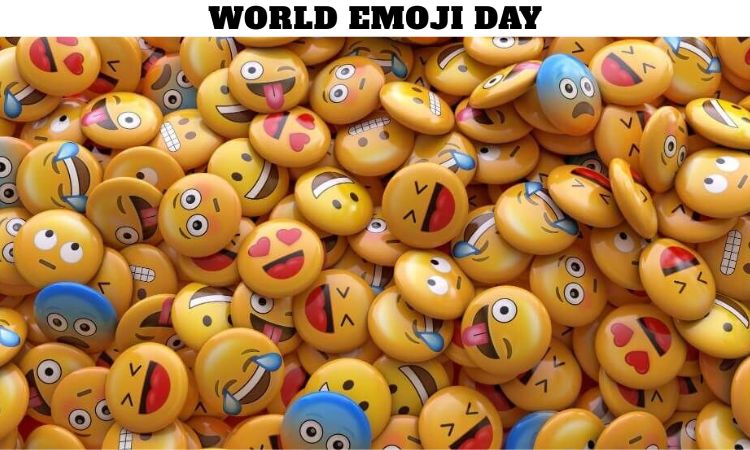
World Emoji Day is celebrated every year on July 17 to recognize the impact of emojis on modern communication and digital culture. Emojis have transformed the way people express emotions, ideas, reactions, and messages across the internet. From casual conversations between friends to professional communication, emojis have become an important part of how people interact in the digital world.
The celebration highlights the creativity, diversity, and cultural influence of emojis. Although emojis may appear to be simple digital images, they often carry deeper meanings and help people communicate feelings that words alone may not fully express. World Emoji Day encourages people to appreciate the role of emojis in connecting individuals across different languages, countries, and cultures.
The date July 17 was chosen because the calendar emoji displayed on many platforms shows this specific date. Since its creation, World Emoji Day has grown into an international celebration where people share their favorite emojis, discuss digital communication trends, and explore how these small symbols influence everyday conversations.
What Is the History Behind World Emoji Day?
World Emoji Day was first celebrated in 2014 by Jeremy Burge, the founder of Emojipedia, a website that documents and explains emoji meanings, designs, and updates. The goal behind creating this unofficial holiday was to celebrate emojis and recognize their growing importance in global communication.
The word “emoji” comes from Japanese words meaning “picture” and “character.” Emojis were first developed in Japan during the late 1990s as a way to add visual expressions to mobile communication. The original emoji collection was created by Japanese engineer Shigetaka Kurita for a mobile internet platform. These early designs included simple symbols representing weather, emotions, food, and everyday objects.
As smartphones became popular worldwide, emojis expanded beyond Japan and became a universal communication tool. Technology companies introduced their own emoji designs, and international organizations worked to create standardized emoji characters so that people could use them across different devices and platforms.
Today, thousands of emojis exist, representing emotions, animals, activities, professions, cultures, foods, and objects. Their evolution reflects changes in society, technology, and the way people communicate online.
Why Is World Emoji Day Celebrated on July 17?
World Emoji Day is celebrated on July 17 because this date is shown on the calendar emoji design used by many major technology platforms. The calendar emoji became associated with the date after Apple used July 17 as the display date for its calendar application icon.
The choice of this date helped create a recognizable connection between the celebration and the visual language of emojis. Over time, July 17 became an annual occasion for emoji enthusiasts, technology companies, and online communities to celebrate creativity and digital expression.
Although World Emoji Day is not an official public holiday, millions of people participate through social media discussions, emoji-related events, creative projects, and online campaigns.
How Have Emojis Changed the Way People Communicate?
Emojis have significantly changed digital communication by adding emotional context to written messages. Traditional text messages often lack tone, facial expressions, and body language, which can sometimes lead to misunderstandings. Emojis help provide additional meaning by showing emotions such as happiness, excitement, sadness, surprise, or humor.
For example, a simple sentence can have different meanings depending on the emotion attached to it. An emoji can help clarify whether a message is serious, playful, friendly, or sarcastic. This makes conversations more personal and expressive.
Emojis have also helped overcome language barriers. Since visual symbols can often be understood regardless of a person’s native language, emojis allow people from different backgrounds to communicate more easily. They have become a shared digital language used by people around the world.
Businesses and brands also use emojis in marketing campaigns, advertisements, and customer communication. Emojis can make messages feel more engaging, relatable, and conversational when used appropriately.
Why Are Emojis Important in Modern Digital Culture?
Emojis are an important part of modern digital culture because they represent how communication continues to evolve with technology. They combine visual storytelling with written language and allow users to express complex thoughts quickly.
Emojis also represent diversity and inclusion. Over the years, emoji collections have expanded to include different skin tones, professions, cultural symbols, family structures, and accessibility-related icons. These updates allow more people to feel represented in digital spaces.
Beyond communication, emojis have influenced entertainment, advertising, journalism, and social trends. They have become recognizable symbols that can represent ideas, movements, and emotions across the world.
The popularity of emojis shows that communication is not limited to words. Visual symbols have always played a role in human interaction, and emojis are the modern digital version of that tradition.
How Can People Celebrate World Emoji Day?
People can celebrate World Emoji Day in many creative ways by exploring the history of emojis, sharing favorite symbols, and learning about how digital communication has changed. Many people participate by creating emoji-inspired artwork, designing messages using emojis, or discussing the meanings behind popular symbols.
Schools and workplaces can use the day as an opportunity to discuss digital communication, creativity, and technology. Teachers can introduce students to the history of emojis and how visual symbols are used in different cultures.
Companies can celebrate by creating fun online activities, sharing emoji-related content, or encouraging customers to participate in creative challenges. The day provides a chance to recognize how small digital icons have created a major impact on communication worldwide.
What Are Some Interesting Facts About Emojis?
Emojis have many interesting facts that show their influence on technology and culture. The first emojis were created in Japan before becoming popular globally. Today, thousands of emojis are available across smartphones, computers, and online platforms.
The Unicode Consortium, an organization responsible for maintaining digital text standards, approves new emojis and ensures they work across different systems. New emojis are regularly introduced based on cultural changes, user demand, and technological developments.
Emojis have also become part of popular culture. Some emojis have gained meanings beyond their original designs, with users creating new interpretations and trends around them. Certain emojis are frequently used to represent emotions, jokes, or online expressions.
The popularity of emojis demonstrates how digital communication continues to adapt to human needs for faster, more emotional, and more creative expression.
How Do Emojis Influence Social Media Communication?
Social media platforms have played a major role in making emojis popular worldwide. Users often include emojis in posts, comments, captions, and messages to make their content more expressive and engaging.
Emojis can influence how audiences react to online content because they make posts feel more personal and visually appealing. Brands frequently use emojis to create friendly interactions with customers and improve engagement.
However, understanding the meaning of emojis is also important because interpretations can vary between cultures and communities. A symbol that has one meaning in one group may have a different meaning elsewhere. This makes digital awareness an important part of modern communication.
What Is the Future of Emojis?
The future of emojis will likely continue to develop alongside technology and changing communication habits. As artificial intelligence, augmented reality, and digital platforms advance, emojis may become more interactive and personalized.
Future emojis may include more customization options, allowing users to create digital characters that better represent their personalities and identities. Animated and three-dimensional emojis may also become more common in virtual communication.
Despite technological changes, the main purpose of emojis will remain the same: helping people express emotions, ideas, and connections in a simple visual format.
Why Should People Recognize World Emoji Day?
World Emoji Day is a reminder of how technology has created new ways for people to connect. Emojis may be small symbols, but their influence on communication is enormous. They help people express emotions, create connections, and communicate across cultural and language differences.
The celebration encourages people to appreciate creativity and innovation in digital communication. It also highlights how everyday tools can become powerful parts of global culture.
As communication continues to evolve, emojis will remain an important part of how people share feelings, ideas, and experiences in the digital age.
Frequently Asked Questions (FAQs)
1. What is World Emoji Day?
World Emoji Day is an annual celebration held on July 17 to recognize the importance and influence of emojis in digital communication. The day celebrates how emojis help people express emotions and connect worldwide.
2. When is World Emoji Day celebrated?
World Emoji Day is celebrated every year on July 17. The date is connected to the calendar emoji design that commonly displays July 17.
3. Who created World Emoji Day?
World Emoji Day was created by Jeremy Burge, the founder of Emojipedia, in 2014 to celebrate emojis and their impact on communication.
4. Why are emojis important?
Emojis are important because they add emotional meaning to digital conversations, make messages more expressive, and help people communicate across language barriers.
5. Where were emojis first created?
The first modern emojis were created in Japan during the late 1990s for mobile communication services.
6. How many emojis exist today?
There are thousands of approved emojis available across different digital platforms, covering emotions, objects, animals, cultures, and activities.
7. Are emojis considered a language?
Emojis are not officially considered a language, but they function as a visual communication system that helps people express ideas and emotions.
8. How can people celebrate World Emoji Day?
People can celebrate World Emoji Day by sharing emoji-related content, learning about emoji history, creating artwork, or participating in digital communication activities.
9. Who manages emoji standards?
The Unicode Consortium manages emoji standards and approves new emojis to ensure compatibility across different devices and platforms.
10. What is the most popular emoji?
The popularity of emojis changes over time, but smiling faces, hearts, and expressions of laughter are among the most commonly used emojis worldwide.