

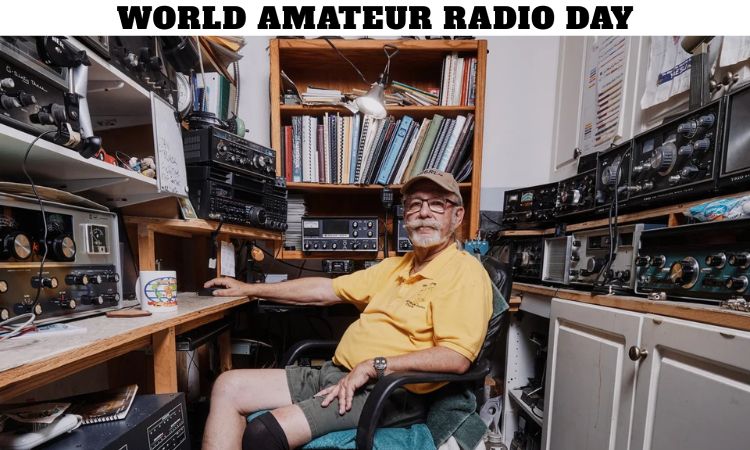
What Is World Amateur Radio Day and Why Is It Celebrated?
World Amateur Radio Day, observed on April 18, is a global celebration of amateur radio enthusiasts, also known as ham radio operators, who connect people across borders using radio frequencies. This day commemorates the founding of the International Amateur Radio Union in 1925, which unified amateur radio operators worldwide and promoted the advancement of radio communication.
We recognize this day as a tribute to individuals who dedicate their time, knowledge, and skills to non-commercial radio communication, fostering international friendship, emergency response capabilities, and technological innovation.
What Is Amateur Radio and How Does It Work?
Amateur radio is a licensed radio service that allows individuals to communicate using designated radio frequencies. Unlike commercial broadcasting, amateur radio is used for personal communication, experimentation, and public service.
We understand that amateur radio works through:
- Transmission of signals via radio waves
- Use of specialized equipment such as transmitters, receivers, and antennas
- Allocation of frequency bands is regulated by national authorities
Operators communicate through voice, text, or digital signals, often reaching across continents without relying on the internet or cellular networks.
Why Is April 18 Significant for Amateur Radio Operators?
April 18 marks the anniversary of the formation of the International Amateur Radio Union, which represents amateur radio organizations worldwide. We emphasize that this milestone signifies the global collaboration and unity of radio enthusiasts.
This date serves as a reminder of how amateur radio has evolved from a hobby into a vital communication tool, especially during emergencies and disasters.
How Has Amateur Radio Contributed to Global Communication?
Amateur radio has played a crucial role in connecting people across the globe, particularly in situations where conventional communication systems fail. We highlight its contributions:
- Providing emergency communication during natural disasters
- Supporting humanitarian efforts
- Enabling cross-cultural communication
- Advancing radio technology through experimentation
These contributions demonstrate the importance of amateur radio as a reliable and resilient communication system.
What Role Does Amateur Radio Play in Emergency Situations?
One of the most significant aspects of amateur radio is its role in disaster management and emergency response. We observe that amateur radio operators often act as first responders when traditional communication networks are disrupted.
Their responsibilities include:
- Relaying critical information between affected areas and authorities
- Assisting in search and rescue operations
- Coordinating relief efforts
Amateur radio remains a lifeline during crises, ensuring communication when it is needed most.
Who Can Become an Amateur Radio Operator?
Amateur radio is accessible to individuals of all ages and backgrounds. We note that becoming an operator typically involves:
- Obtaining a license from a regulatory authority
- Passing an examination on radio theory and regulations
- Setting up basic communication equipment
This inclusive nature makes amateur radio a widely accessible and educational hobby.
What Equipment Is Required for Amateur Radio?
To operate an amateur radio, individuals need specific equipment. We outline the essentials:
- Transceiver (combines transmitter and receiver)
- Antenna for signal transmission
- Power supply
- Microphone or digital interface
Advanced operators may also use software and digital tools to enhance communication. The equipment allows for flexible and long-distance communication.
How Is World Amateur Radio Day Celebrated Worldwide?
World Amateur Radio Day is celebrated through various activities organized by amateur radio communities. We observe:
- Special radio events and broadcasts
- Demonstrations and workshops
- Public awareness campaigns
- Community outreach programs
These activities aim to promote interest in amateur radio and educate the public about its importance.
What Are the Benefits of Amateur Radio as a Hobby?
Amateur radio offers numerous benefits beyond communication. We highlight its advantages:
- Enhances technical knowledge and skills
- Encourages problem-solving and experimentation
- Builds global friendships
- Provides opportunities for community service
This hobby combines learning, innovation, and social interaction, making it both engaging and rewarding.
How Has Technology Transformed Amateur Radio?
Modern technology has significantly influenced amateur radio. We recognize advancements such as:
- Digital communication modes
- Integration with computers and software
- Satellite communication capabilities
- Internet-linked radio systems
Despite these innovations, amateur radio retains its core value of independent and reliable communication.
What Is the Future of Amateur Radio?
The future of amateur radio remains promising as new generations embrace the hobby. We believe that:
- Continued technological advancements will expand its capabilities
- Increased awareness will attract more participants
- Its role in emergency communication will remain critical
Amateur radio will continue to be a vital platform for innovation, education, and global connection.
Frequently Asked Questions (FAQs)
1. What is World Amateur Radio Day?
World Amateur Radio Day, celebrated on April 18, honors amateur radio operators and their contributions to global communication.
2. What is amateur radio?
Amateur radio is a licensed service that allows individuals to communicate using radio frequencies for non-commercial purposes.
3. Why is April 18 important?
It marks the founding of the International Amateur Radio Union in 1925.
4. Do I need a license to use amateur radio?
Yes, a license is required to operate amateur radio legally.
5. What equipment is needed for amateur radio?
Basic equipment includes a transceiver, antenna, and power supply.
6. How does amateur radio help during disasters?
It provides reliable communication when traditional networks fail.
7. Can beginners learn amateur radio easily?
Yes, with proper training and guidance, beginners can quickly understand the basics.
8. Is amateur radio still relevant today?
Yes, it remains important for emergency communication and technological innovation.
9. What are the benefits of amateur radio?
It enhances technical skills, fosters global connections, and supports community service.
10. How is World Amateur Radio Day celebrated?
It is celebrated through events, demonstrations, and awareness campaigns worldwide.