

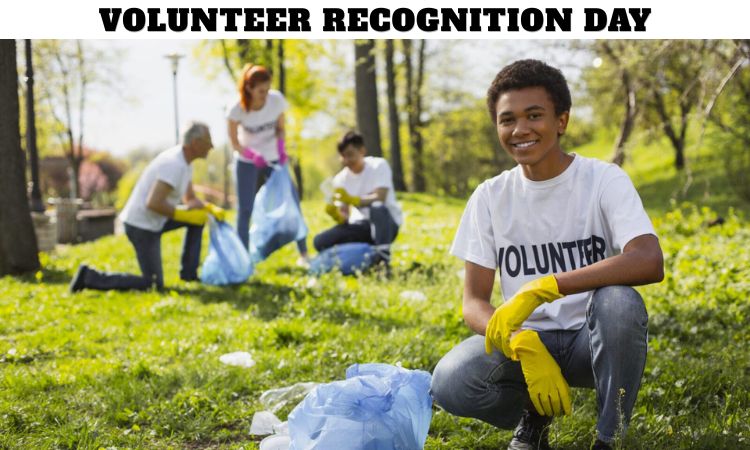
What Is Volunteer Recognition Day, and Why Is It Celebrated on April 20?
Volunteer Recognition Day, observed on April 20, is a meaningful occasion dedicated to honoring individuals who contribute their time, skills, and energy without expecting financial reward. This day highlights the importance of volunteerism in building stronger communities, supporting social causes, and creating a culture of compassion.
We celebrate this day to acknowledge the invaluable impact volunteers have across sectors, from education and healthcare to disaster relief and environmental conservation. It serves as a reminder that collective goodwill can drive significant positive change.
What Is the Purpose of Volunteer Recognition Day?
The primary purpose of Volunteer Recognition Day is to express gratitude and appreciation for the efforts of volunteers. These individuals often work behind the scenes, yet their contributions are essential to the functioning of many organizations.
Key objectives include:
- Recognizing volunteer contributions publicly
- Encouraging more people to volunteer
- Strengthening community engagement
- Promoting a culture of giving and empathy
This day reinforces the idea that every act of service matters, regardless of scale.
How Did Volunteer Recognition Day Originate?
Volunteer Recognition Day is closely associated with National Volunteer Week, which was established in 1974 in the United States. Over time, April 20 became a focal point within this week to specifically honor volunteers.
Organizations such as Points of Light have played a significant role in promoting volunteerism and encouraging communities to recognize the contributions of volunteers globally.
Why Are Volunteers Essential to Society?
Volunteers are the backbone of many social and humanitarian initiatives. Their efforts help bridge gaps in resources and services, especially in underserved communities.
Their importance lies in:
- Providing critical support to nonprofits
- Enhancing community resilience
- Offering diverse skills and perspectives
- Fostering social cohesion and trust
Without volunteers, many programs in education, healthcare, and social welfare would struggle to operate effectively.
What Types of Volunteer Work Are Commonly Recognized?
Volunteer Recognition Day celebrates a wide range of service activities, including:
- Community service and local outreach
- Environmental conservation efforts
- Healthcare and emergency response support
- Educational mentoring and tutoring
- Animal welfare and rescue initiatives
Each type of volunteer work contributes uniquely to societal well-being, reflecting the diversity and adaptability of volunteerism.
How Is Volunteer Recognition Day Celebrated?
Organizations and communities celebrate Volunteer Recognition Day through various appreciation initiatives. Common activities include:
- Award ceremonies and recognition events
- Public acknowledgments on social media
- Certificates and appreciation letters
- Volunteer appreciation dinners or gatherings
- Highlighting volunteer stories and achievements
These efforts aim to boost morale and reinforce the value of service.
What Are the Benefits of Volunteering for Individuals?
Volunteering offers numerous personal and professional benefits, making it a rewarding experience:
- Skill development and career enhancement
- Improved mental and emotional well-being
- Expanded social networks
- Sense of purpose and fulfillment
- Increased empathy and cultural awareness
Engaging in volunteer work allows individuals to grow while contributing to meaningful causes.
How Can Organizations Effectively Recognize Volunteers?
Effective recognition goes beyond a simple thank-you. Organizations can adopt strategies such as:
- Personalized appreciation messages
- Opportunities for skill development
- Public recognition and storytelling
- Providing leadership roles to dedicated volunteers
- Offering small tokens of appreciation
Consistent recognition helps retain volunteers and encourages long-term commitment.
What Challenges Do Volunteers Face Today?
Despite their dedication, volunteers often encounter challenges such as:
- Time constraints due to personal commitments
- Lack of resources or support
- Burnout from demanding roles
- Limited recognition in some organizations
Addressing these challenges is essential to sustaining a strong volunteer base and ensuring their continued impact.
How Can Individuals Get Involved in Volunteering?
Getting involved in volunteering is accessible and rewarding. Individuals can:
- Join local nonprofit organizations
- Participate in community events
- Volunteer online through digital platforms
- Support causes aligned with personal interests
- Encourage friends and family to participate
Taking the first step toward volunteering can lead to lasting personal and societal benefits.
What Is the Future of Volunteerism Globally?
The future of volunteerism is evolving with technological advancements and changing societal needs. Trends include:
- Virtual and remote volunteering opportunities
- Corporate social responsibility initiatives
- Youth engagement in social causes
- Global collaboration through digital platforms
Volunteer Recognition Day will continue to play a vital role in celebrating contributions and inspiring future generations.
Frequently Asked Questions (FAQs)
1. What is Volunteer Recognition Day?
Volunteer Recognition Day is observed on April 20 to honor and appreciate individuals who contribute their time and skills to help others.
2. Why is Volunteer Recognition Day important?
It acknowledges the efforts of volunteers and encourages more people to engage in community service.
3. Who can be recognized on this day?
Anyone who volunteers in any capacity, including community workers, mentors, and activists.
4. How can organizations celebrate this day?
Through awards, events, public recognition, and appreciation initiatives.
5. What are the benefits of volunteering?
Volunteering offers personal growth, skill development, and a sense of fulfillment.
6. Is volunteering only for nonprofit organizations?
No, volunteering can also occur in schools, communities, and corporate programs.
7. Can students participate in volunteering?
Yes, students can volunteer and gain valuable experience and skills.
8. How do I start volunteering?
You can join local organizations or explore online volunteering platforms.
9. What challenges do volunteers face?
Common challenges include time constraints, burnout, and lack of resources.
10. How does volunteering impact society?
It strengthens communities, supports essential services, and promotes social unity.