

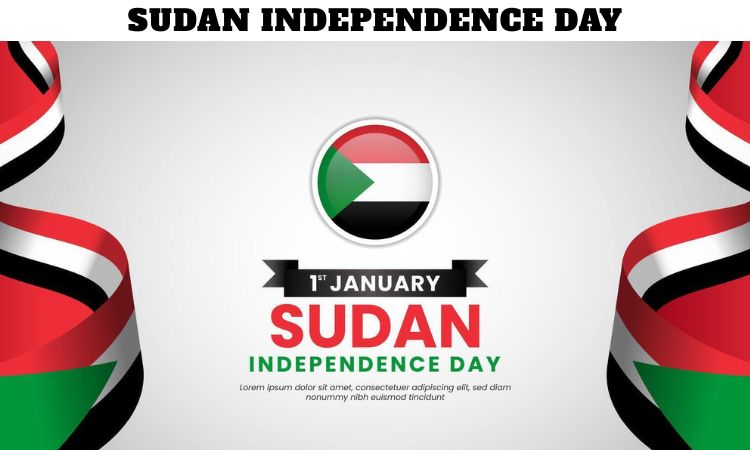
Sudan Independence Day, celebrated annually on January 1, marks one of the most significant milestones in the nation’s history. It commemorates the day Sudan officially gained independence from Anglo-Egyptian rule in 1956, reclaiming its sovereignty and stepping forward as a self-governing nation. This historic occasion symbolizes freedom, resilience, and the enduring spirit of the Sudanese people.
Observed with pride both within Sudan and by Sudanese communities around the world, Sudan Independence Day is a time for reflection, remembrance, and renewed commitment to unity and progress. It stands as a reminder of the sacrifices made by generations who fought for dignity, self-rule, and national identity.
The Historical Background of Sudan Independence Day
To fully appreciate Sudan Independence Day, it is essential to understand the historical context that led to independence. For decades, Sudan was jointly governed by Britain and Egypt under the Anglo-Egyptian Condominium (1899–1956). During this period, Sudanese people faced political exclusion, economic challenges, and limited self-determination.
Despite these obstacles, nationalist movements grew steadily throughout the early 20th century. Political organizations, intellectuals, and activists began advocating for independence, unity, and self-governance. Their efforts culminated in negotiations that eventually led to Sudan’s independence.
On January 1, 1956, Sudan officially declared independence, raising its national flag for the first time. This moment marked the birth of a sovereign nation and the beginning of a new chapter in Sudanese history.
Why Sudan Independence Day Is Celebrated on January 1?
January 1 symbolizes renewal, hope, and new beginnings—making it a fitting date for Sudan’s independence. While many nations celebrate independence on dates linked to revolutions or declarations, Sudan’s choice of January 1 represents a peaceful transition toward self-rule.
Sudan Independence Day reflects optimism and the aspiration for unity, prosperity, and self-determination. It stands as a reminder that independence is not merely a political event but a continuous journey shaped by collective responsibility.
The Struggle for Freedom and Self-Governance
Sudan’s path to independence was shaped by political activism, negotiation, and determination. Nationalist movements emerged in the early 20th century, demanding representation, cultural recognition, and economic autonomy.
Key milestones in the struggle included:
The rise of nationalist political parties
Increased public awareness and activism
Diplomatic negotiations with colonial authorities
These efforts culminated in the peaceful transfer of power, making Sudan Independence Day a powerful symbol of unity and resilience.
The Meaning of Independence for the Sudanese People
Independence brought a sense of pride and national identity to the Sudanese people. It represented freedom from colonial rule and the opportunity to shape their own future.
For many, Sudan Independence Day symbolizes:
National dignity and sovereignty
Cultural revival and unity
Hope for social and economic development
Respect for the sacrifices of past generations
This day remains deeply emotional, reminding citizens of both achievements and responsibilities.
Cultural Significance of Sudan Independence Day
Culture plays a vital role in how Sudan Independence Day is celebrated. Traditional music, dance, poetry, and storytelling reflect the country’s rich and diverse heritage.
Communities often come together to:
Perform traditional dances
Share traditional foods
Display national colors and symbols
Participate in cultural exhibitions
These celebrations highlight Sudan’s cultural diversity and reinforce a sense of shared identity.
National Symbols and Their Importance
National symbols take on special meaning during Sudan Independence Day. The national flag, anthem, and emblem represent unity, strength, and pride.
The Sudanese flag, with its bold colors, reflects the country’s history, aspirations, and connection to the Arab and African worlds. Displaying these symbols strengthens national identity and honors the journey toward independence.
Sudan Independence Day and National Unity
One of the most powerful aspects of Sudan Independence Day is its emphasis on unity. Despite ethnic, cultural, and regional diversity, the day serves as a reminder that unity is essential for national progress.
It encourages dialogue, cooperation, and mutual respect among citizens, reinforcing the idea that strength lies in diversity.
How Sudan Independence Day Is Celebrated?
Celebrations vary across regions but often include:
Official ceremonies and speeches
Parades and cultural performances
Educational programs highlighting history
Community gatherings and celebrations
These events promote patriotism and provide opportunities for reflection and connection.
The Role of Youth in Preserving Independence Values
Young people play a vital role in shaping the future of Sudan. On Sudan Independence Day, youth are encouraged to learn about their history and contribute positively to society.
Educational initiatives, cultural programs, and youth-led discussions help pass on the values of freedom, responsibility, and national pride to future generations.
Global Recognition of Sudan Independence Day
Sudanese communities around the world observe Sudan Independence Day with pride. Diaspora communities organize cultural events, discussions, and celebrations that strengthen connections to their heritage.
These global observances help preserve Sudanese identity and raise international awareness of the nation’s history and culture.
Challenges and Reflections on Independence
While independence marked a major achievement, Sudan has faced numerous challenges over the years, including political transitions, economic hardships, and social change.
Sudan Independence Day provides an opportunity to reflect on these challenges honestly while renewing commitment to peace, stability, and development.
The Importance of Remembering History
Remembering history ensures that lessons learned are not forgotten. Sudan Independence Day serves as a reminder of the sacrifices made for freedom and the responsibility to protect it.
Honoring the past strengthens national identity and inspires future generations to uphold the values of justice and unity.
Hope for the Future
Despite challenges, Sudan’s future remains filled with potential. The spirit of independence continues to inspire resilience, innovation, and hope among its people.
Sudan Independence Day encourages optimism and collective effort toward building a peaceful, inclusive, and prosperous nation.
Why Sudan Independence Day Matters Today?
In an ever-changing world, Sudan Independence Day stands as a symbol of self-determination and resilience. It reminds citizens of their shared history and their role in shaping the future.
This day reinforces the importance of unity, accountability, and respect for diversity—values essential for national growth.
Conclusion: Honoring Freedom and National Identity
Sudan Independence Day – January 1 is more than a historical commemoration; it is a celebration of identity, perseverance, and hope. It honors the sacrifices of the past while inspiring future generations to uphold the principles of freedom and unity.