
What Is Social Media Day and Why Is It Celebrated on June 30?
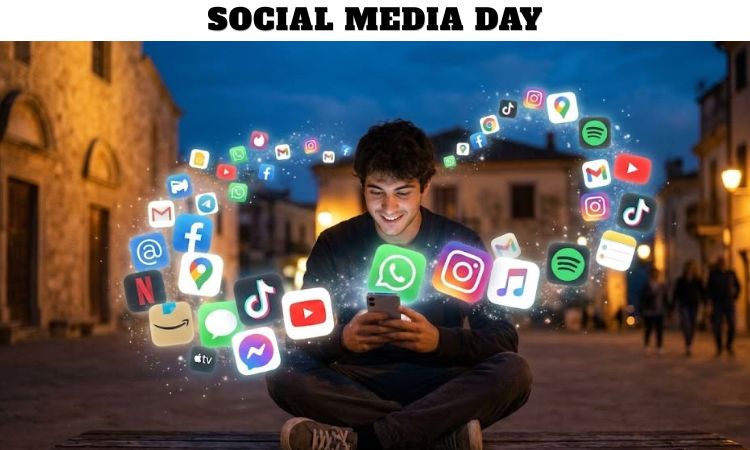
Social Media Day is observed every year on June 30 to recognize the profound impact that social media platforms have had on communication, business, education, entertainment, and social interaction across the world. The day celebrates how digital platforms have transformed the way people connect, share information, and build communities regardless of geographical boundaries.
The observance was introduced to acknowledge the role of social media in creating conversations that influence societies, industries, and cultures. From connecting families living in different countries to helping businesses reach millions of customers, social media has become an essential part of modern life.
Social Media Day also encourages individuals and organizations to reflect on responsible digital communication, online safety, and the positive use of technology for social good.
When Is Social Media Day Celebrated?
Social Media Day is celebrated annually on June 30. In 2026, the occasion falls on a Tuesday, giving individuals, businesses, influencers, and organizations an opportunity to participate in online campaigns, discussions, and educational initiatives highlighting the benefits and challenges of social media.
Although some local events may begin on June 29 due to time zone differences or regional celebrations, the globally recognized date for Social Media Day is June 30.
Who Started Social Media Day?
Social Media Day was created in 2010 by Mashable to recognize social media’s influence on global communication and its growing role in everyday life.
At the time, social media platforms were rapidly changing the way people consumed news and interacted with brands, celebrities, and communities. The initiative quickly gained international popularity, and cities around the world started organizing meetups, seminars, and networking events to celebrate the occasion.
Today, Social Media Day is observed by millions of users, businesses, educational institutions, and digital professionals worldwide.
How Has Social Media Changed Communication?
Before social media, communication often relied on emails, phone calls, newspapers, and television broadcasts. Information flowed in one direction, from publishers to audiences.
Social media introduced two-way communication where anyone with internet access could create content, share opinions, and interact with global audiences instantly.
Messages that once took days or weeks to reach people can now spread within seconds. Live streaming, instant messaging, and real-time updates have transformed communication into an immediate and interactive experience.
This shift has also empowered ordinary individuals to become creators, educators, journalists, and entrepreneurs through their online presence.
Why Is Social Media Important for Businesses?
Businesses use social media to connect directly with their customers, increase brand awareness, and generate sales opportunities.
Social media platforms allow businesses to:
- Reach targeted audiences through advertising.
- Build trust through customer engagement.
- Showcase products and services visually.
- Receive immediate customer feedback.
- Provide customer support quickly.
- Analyze consumer behavior and preferences.
Small businesses especially benefit because social media offers affordable marketing opportunities compared to traditional advertising channels such as television or print media.
For startups and local businesses, a strong social media strategy can compete with much larger competitors.
How Does Social Media Support Education and Learning?
Educational institutions and professionals increasingly use social media as a learning tool.
Teachers share educational content, universities conduct webinars, and experts provide tutorials that are accessible to learners around the world. Students can collaborate on projects, participate in online discussions, and access educational resources instantly.
Social media has also contributed to the rise of online learning communities where individuals exchange knowledge and support each other’s educational goals.
The accessibility of educational content has helped reduce geographical barriers to learning.
What Role Does Social Media Play During Emergencies?
During natural disasters, health crises, and emergencies, social media becomes an important communication channel.
Governments, organizations, and emergency responders use social platforms to distribute real-time information and safety instructions. Communities also use these platforms to coordinate relief efforts and provide support to affected individuals.
The ability to share updates instantly can save lives and improve emergency response efforts.
The global response to health emergencies demonstrated the importance of digital communication channels in disseminating critical information quickly.
How Has Social Media Influenced Social Movements?
Social media has become a powerful tool for activism and public awareness campaigns.
Movements focused on social justice, environmental protection, public health, and humanitarian causes often gain momentum through online platforms. Hashtags, videos, and live broadcasts enable people to share experiences and mobilize support globally.
The ability to amplify voices that might otherwise remain unheard has changed how advocacy campaigns operate in the modern world.
Social media has made it easier for communities to organize events, fundraise, and encourage public participation in important causes.
What Are the Challenges Associated With Social Media?
Despite its many benefits, social media presents several challenges that users and organizations must address responsibly.
Some common concerns include:
- Misinformation and fake news.
- Cyberbullying and online harassment.
- Privacy and data security risks.
- Excessive screen time.
- Mental health concerns related to social comparison.
- Online scams and fraud.
Promoting digital literacy and responsible online behavior is essential for creating safer online environments.
Users should verify information before sharing it and maintain awareness of privacy settings and cybersecurity practices.
How Can Individuals Use Social Media Responsibly?
Responsible social media usage involves maintaining respectful communication, protecting personal information, and consuming content critically.
Individuals can improve their digital habits by:
- Fact-checking information before sharing.
- Limiting screen time when necessary.
- Respecting differing opinions.
- Avoiding harmful online behavior.
- Using privacy settings effectively.
- Reporting abusive or misleading content.
Digital responsibility helps create healthier online communities and improves the overall user experience.
How Do People Celebrate Social Media Day?
Social Media Day celebrations vary across countries and industries.
Common activities include:
- Hosting webinars and online conferences.
- Sharing success stories on social platforms.
- Organizing networking events for digital professionals.
- Conducting workshops on digital marketing.
- Running awareness campaigns about online safety.
- Recognizing content creators and community leaders.
Businesses often launch campaigns to engage audiences, while educational institutions organize discussions about digital citizenship and media literacy.
Many organizations use the occasion to review their social media strategies and explore emerging trends in digital communication.
What Is the Future of Social Media?
The future of social media will likely involve greater integration of artificial intelligence, augmented reality, and personalized content experiences.
Users can expect improvements in content recommendations, virtual interactions, and immersive digital experiences. Businesses may increasingly rely on automation and analytics to improve customer engagement.
At the same time, governments and technology companies will continue addressing issues related to privacy, misinformation, and digital well-being.
As technology evolves, social media will remain a central part of communication and global interaction.
Why Does Social Media Day Continue to Matter?
Social Media Day serves as a reminder of how technology has reshaped society in just a few decades.
From personal relationships to business growth and public awareness campaigns, social media has become deeply integrated into daily life. Celebrating the occasion encourages people to recognize both the opportunities and responsibilities that come with digital communication.
The day promotes thoughtful engagement, innovation, and collaboration while encouraging users to contribute positively to online communities.
As billions of people continue using social platforms every day, the importance of Social Media Day is expected to grow in the years ahead.
Frequently Asked Questions (FAQs)
1. When is Social Media Day celebrated?
Social Media Day is celebrated every year on June 30.
2. Who created Social Media Day?
Social Media Day was created by Mashable in 2010.
3. Why is Social Media Day important?
It recognizes the impact of social media on communication, business, education, and society.
4. Is Social Media Day celebrated worldwide?
Yes, individuals and organizations across many countries participate in celebrations and events.
5. How do businesses celebrate Social Media Day?
Businesses often run campaigns, webinars, contests, and customer engagement activities.
6. What are the main benefits of social media?
The major benefits include communication, networking, education, marketing, and community building.
7. What challenges are associated with social media?
Common challenges include misinformation, privacy concerns, cyberbullying, and screen addiction.
8. How can users stay safe on social media?
Users should use strong passwords, adjust privacy settings, and verify information before sharing it.
9. Does Social Media Day focus only on businesses?
No, it celebrates the impact of social media on individuals, communities, education, and society as a whole.
10. What is the main message of Social Media Day?
The day encourages responsible, positive, and meaningful use of social media platforms.