

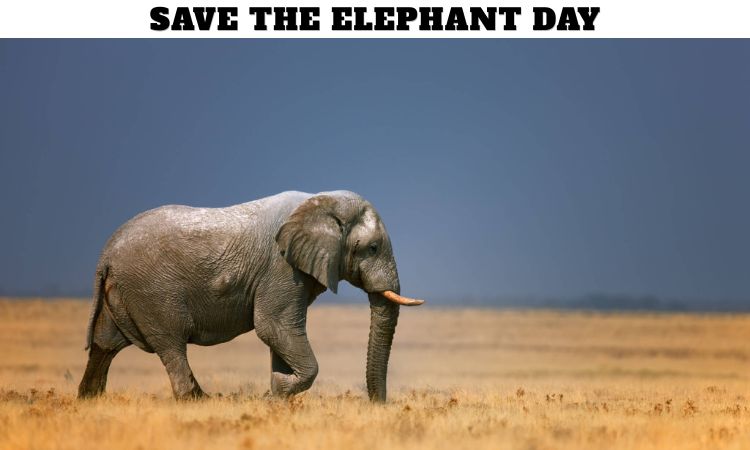
What Is Save the Elephant Day, and Why Is It Observed on April 16?
Save the Elephant Day, observed every year on April 16, is a global awareness initiative dedicated to the protection and conservation of elephants. This day highlights the urgent need to safeguard these majestic creatures from threats such as poaching, habitat loss, and human-wildlife conflict.
We recognize this day as a call to action for governments, conservationists, and individuals to unite in preserving elephant populations. It emphasizes the importance of sustainable coexistence and the preservation of biodiversity, ensuring that future generations can witness these remarkable animals in their natural habitats.
Why Are Elephants Important to the Ecosystem?
Elephants play a crucial role as keystone species, meaning their presence significantly impacts the health of ecosystems. They contribute to environmental balance in several ways:
- Seed dispersal: Elephants help regenerate forests by spreading seeds across vast areas.
- Habitat creation: Their movements create pathways and clearings that benefit other species.
- Water access: Elephants dig waterholes that become vital resources for other animals.
We understand that the survival of elephants is closely linked to the health of entire ecosystems. Their disappearance would lead to ecological imbalance and loss of biodiversity.
What Are the Main Threats Facing Elephants Today?
Elephants face numerous challenges that threaten their survival. The most critical threats include:
Poaching for Ivory
Illegal hunting for ivory tusks remains one of the biggest dangers. Despite global bans, the demand for ivory continues to drive poaching activities.
Habitat Loss
Rapid urbanization, agriculture, and infrastructure development are reducing the natural habitats of elephants, forcing them into smaller and fragmented areas.
Human-Elephant Conflict
As elephants encroach on human settlements in search of food and water, conflicts arise, often resulting in harm to both humans and elephants.
Climate Change
Changing weather patterns affect food and water availability, further stressing elephant populations.
We see that these threats are interconnected, requiring comprehensive and collaborative solutions.
How Many Elephant Species Exist and Where Are They Found?
There are three main species of elephants:
- African Savanna Elephant: Found in grasslands and savannas across Africa.
- African Forest Elephant: Inhabits dense forests of Central and West Africa.
- Asian Elephant: Found in countries such as India, Sri Lanka, Thailand, and Indonesia.
We note that each species faces unique challenges, but all are experiencing population declines due to human activities.
Why Is Elephant Conservation Urgent Today?
The urgency of elephant conservation cannot be overstated. Elephant populations have declined significantly over the past century due to illegal hunting and habitat destruction.
We recognize that elephants have long lifespans and slow reproduction rates, making population recovery difficult. Immediate action is necessary to prevent further decline and ensure their survival.
How Can We Celebrate Save the Elephant Day Meaningfully?
Save the Elephant Day offers an opportunity to take meaningful steps toward conservation. We recommend the following actions:
Raise Awareness
Educate others about the importance of elephants and the threats they face through social media, blogs, and community events.
Support Conservation Organizations
Donate to or volunteer with organizations dedicated to elephant protection and wildlife conservation.
Avoid Ivory Products
Refuse to purchase items made from ivory or other wildlife products.
Promote Sustainable Practices
Encourage eco-friendly habits that reduce environmental impact and support wildlife preservation.
Participate in Campaigns
Join global campaigns and initiatives that advocate for stronger wildlife protection laws.
What Role Do Governments and Organizations Play in Elephant Protection?
Governments and conservation organizations play a vital role in protecting elephants. Their efforts include:
- Implementing anti-poaching laws
- Establishing protected areas and wildlife reserves
- Conducting research and monitoring populations
- Promoting community-based conservation programs
We believe that strong policies and international cooperation are essential for effective conservation.
How Does Human-Elephant Conflict Impact Communities?
Human-elephant conflict occurs when elephants enter agricultural lands or settlements, leading to:
- Crop damage
- Property destruction
- Injury or loss of life
We understand that this conflict affects both humans and elephants, highlighting the need for innovative solutions such as wildlife corridors and early warning systems.
What Are the Long-Term Benefits of Saving Elephants?
Protecting elephants offers numerous long-term benefits:
- Preservation of biodiversity
- Strengthening ecosystems
- Boosting eco-tourism
- Supporting local economies
We see elephant conservation as an investment in the health of the planet and the well-being of future generations.
How Can Individuals Contribute to Elephant Conservation?
Every individual can make a difference by:
- Spreading awareness
- Supporting ethical tourism
- Advocating for wildlife protection policies
- Making environmentally responsible choices
We emphasize that collective action, even at a small scale, can lead to significant positive change.
Frequently Asked Questions (FAQs)
1. What is Save the Elephant Day?
Save the Elephant Day is observed on April 16 to raise awareness about elephant conservation and protect them from threats like poaching and habitat loss.
2. Why are elephants important to the environment?
Elephants help maintain ecosystems through seed dispersal, habitat creation, and water access for other species.
3. How many species of elephants exist?
There are three species: African Savanna, African Forest, and Asian elephants.
4. What is the biggest threat to elephants?
Poaching for ivory is one of the most significant threats.
5. How can I help save elephants?
You can support conservation efforts, avoid ivory products, and spread awareness.
6. What is human-elephant conflict?
It occurs when elephants and humans interact negatively, often due to habitat overlap.
7. Are elephants endangered?
Yes, many elephant populations are endangered or at risk due to various threats.
8. Why is April 16 chosen for this day?
It is designated as a global awareness day to highlight elephant conservation.
9. What role do governments play in conservation?
Governments enforce laws, create protected areas, and support conservation programs.
10. Can small actions make a difference?
Yes, individual efforts collectively contribute to large-scale conservation success.