

What Is Sarawak Day and Why Is It Celebrated on July 22?
Sarawak Day, observed every year on July 22, is one of the most meaningful public holidays in the Malaysian state of Sarawak. The day commemorates the moment in 1963 when Sarawak attained self-governance from British colonial administration before joining the Federation of Malaysia later that year. It is a day filled with pride, remembrance, and appreciation for the state’s remarkable journey toward self-administration and development. Across Sarawak, people celebrate the state’s rich multicultural identity, honor its historical leaders, and recognize the achievements that have shaped the region into one of Malaysia’s most unique and culturally diverse states. Sarawak Day is not only a historical anniversary but also an opportunity for communities to strengthen unity, preserve traditions, and inspire future generations to value their heritage.
How Did Sarawak Gain Self-Governance on July 22, 1963?
The history of Sarawak Day dates back to July 22, 1963, when the British government officially transferred administrative authority to local Sarawak leaders. This event marked the end of direct colonial governance and allowed Sarawakians to manage their own internal affairs for the first time in modern history. Stephen Kalong Ningkan became the first Chief Minister, leading the state through a transformative period before Sarawak joined the Federation of Malaysia on September 16, 1963, alongside Sabah, Malaya, and Singapore. July 22 remains historically significant because it represents Sarawak’s first experience of governing itself, laying the foundation for political, economic, and social progress. Although discussions about the constitutional interpretation of this historical event continue among scholars, the day is widely recognized as an important milestone in Sarawak’s history and identity.
Why Is Sarawak Day Important to the People of Sarawak?
For the people of Sarawak, Sarawak Day symbolizes self-determination, unity, resilience, and cultural pride. It reminds citizens of the sacrifices and efforts made by earlier generations who worked toward establishing a government led by Sarawakians. The celebration also reinforces the importance of preserving the state’s unique identity within Malaysia. Sarawak is home to numerous ethnic communities, including the Iban, Bidayuh, Melanau, Orang Ulu, Chinese, Malay, and many indigenous groups, all contributing to a rich cultural landscape. Sarawak Day recognizes this diversity and promotes mutual respect among communities while encouraging everyone to continue building a peaceful and prosperous society together.
How Is Sarawak Day Celebrated Across the State?
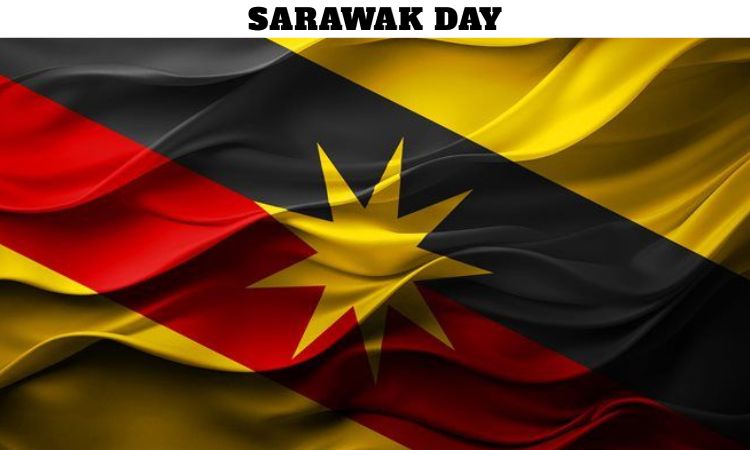
Sarawak Day is celebrated with enthusiasm throughout cities, towns, and rural communities. Government agencies organize official ceremonies, cultural performances, exhibitions, and public gatherings that showcase the state’s achievements and traditions. Schools, community organizations, and cultural institutions often hold educational programs highlighting Sarawak’s history and heritage. Traditional music and dance performances featuring indigenous communities attract large audiences, while local festivals display colorful costumes, handicrafts, and regional cuisine. Public buildings are decorated with the Sarawak flag, and many residents proudly display the flag at homes and businesses. Various speeches and commemorative events honor past leaders while encouraging continued unity and progress. The celebrations provide opportunities for both residents and visitors to experience Sarawak’s unique cultural richness.
What Cultural Traditions Make Sarawak Day Unique?
One of the defining features of Sarawak Day is its celebration of cultural diversity. Sarawak is known for preserving numerous indigenous customs that have been passed down through generations. During the celebrations, visitors can enjoy traditional dances such as the Ngajat, performed by the Iban community, alongside performances representing the Bidayuh, Melanau, Orang Ulu, and other ethnic groups. Traditional musical instruments including the sape, drums, and gongs create an authentic cultural atmosphere. Cultural villages and museums frequently organize demonstrations of traditional crafts, weaving, wood carving, beadwork, and longhouse architecture. These traditions not only entertain audiences but also educate younger generations about their ancestral heritage and the importance of preserving indigenous culture.
What Foods Are Commonly Enjoyed During Sarawak Day Celebrations?
Food plays an important role in Sarawak Day celebrations because it reflects the state’s multicultural heritage. Families gather to prepare and share regional specialties that have become symbols of Sarawak’s culinary identity. Popular dishes include Sarawak Laksa, famous for its aromatic broth and distinctive spices, Kolo Mee, a beloved noodle dish, Manok Pansoh, chicken cooked inside bamboo, Midin Belacan, stir-fried jungle fern, and various seafood delicacies sourced from the state’s rivers and coastline. Traditional desserts, local fruits, and indigenous recipes are also featured during community events and family gatherings. Sharing meals strengthens relationships among families, friends, and neighbors while celebrating the cultural diversity that defines Sarawak.
What Historical Events Led to the Creation of Sarawak Day?
Sarawak’s history includes several important political transitions. Originally ruled by the Brooke family, known as the White Rajahs, Sarawak later became a British Crown Colony after World War II. As global movements toward self-governance gained momentum during the twentieth century, Sarawak gradually prepared for local administration. On July 22, 1963, administrative authority officially shifted to local leaders, representing a significant political achievement. Less than two months later, on September 16, 1963, Sarawak became one of the founding members of Malaysia. While Malaysia Day commemorates the formation of the federation, Sarawak Day specifically honors the state’s transition toward self-governance and the beginning of local political leadership.
How Does Sarawak Day Promote Unity Among Different Communities?
Sarawak is widely recognized as one of Malaysia’s most culturally diverse regions, where numerous ethnic, linguistic, and religious communities coexist peacefully. Sarawak Day reinforces this spirit of harmony by encouraging people from all backgrounds to celebrate together. Community events welcome participants regardless of ethnicity or religion, highlighting shared values of respect, cooperation, and mutual understanding. Cultural performances represent multiple communities equally, emphasizing that Sarawak’s strength lies in its diversity. Educational programs organized during the celebrations also teach younger generations about the contributions of different ethnic groups, fostering appreciation for multiculturalism and social unity.
What Are Some Interesting Facts About Sarawak Day?
Sarawak Day became an official annual public holiday in 2016, allowing residents across the state to commemorate this important historical milestone each year. Sarawak is the largest state in Malaysia by land area and is renowned for its ancient rainforests, diverse wildlife, and indigenous cultures. The state’s iconic hornbill symbolizes strength and heritage and frequently appears during official celebrations. Sarawak is home to some of the world’s oldest tropical rainforests, making environmental conservation an important part of its identity. The state’s rich blend of indigenous traditions, colonial history, and modern development makes Sarawak Day one of the most distinctive regional celebrations in Southeast Asia.
Why Does Sarawak Day Continue to Inspire Future Generations?
Sarawak Day serves as a reminder that history shapes the future. By remembering the achievements of previous generations, young Sarawakians gain a deeper understanding of their responsibilities in preserving peace, unity, and cultural heritage. Schools and educational institutions use the occasion to teach students about the state’s historical journey, encouraging civic responsibility and community participation. The celebration also inspires future leaders to contribute toward sustainable development, economic progress, environmental protection, and social harmony. As Sarawak continues to grow, July 22 remains an annual reminder of the determination, resilience, and shared aspirations that have guided the state throughout its history.
Frequently Asked Questions (FAQs)
1. What is Sarawak Day?
Sarawak Day is a public holiday celebrated every year on July 22 to commemorate Sarawak’s attainment of self-governance in 1963 before joining Malaysia.
2. When is Sarawak Day celebrated?
Sarawak Day is celebrated annually on July 22.
3. Why is July 22 important in Sarawak’s history?
July 22 marks the day in 1963 when administrative authority was transferred from British colonial administration to local Sarawak leaders.
4. Is Sarawak Day a public holiday?
Yes. Sarawak Day is an official public holiday observed throughout the Malaysian state of Sarawak.
5. How do people celebrate Sarawak Day?
People celebrate through official ceremonies, cultural performances, educational programs, traditional dances, exhibitions, community events, and family gatherings.
6. Who was Sarawak’s first Chief Minister?
Stephen Kalong Ningkan became Sarawak’s first Chief Minister following self-governance in 1963.
7. What is the difference between Sarawak Day and Malaysia Day?
Sarawak Day commemorates self-governance on July 22, while Malaysia Day on September 16 celebrates the formation of Malaysia.
8. What cultures are represented during Sarawak Day celebrations?
Celebrations feature the traditions of the Iban, Bidayuh, Melanau, Orang Ulu, Malay, Chinese, and many other indigenous communities.
9. What traditional foods are popular during Sarawak Day?
Popular dishes include Sarawak Laksa, Kolo Mee, Manok Pansoh, Midin Belacan, and a variety of local seafood and indigenous recipes.
10. Why is Sarawak Day significant today?
The day celebrates Sarawak’s historical journey toward self-governance while promoting unity, cultural preservation, and pride in the state’s heritage.