

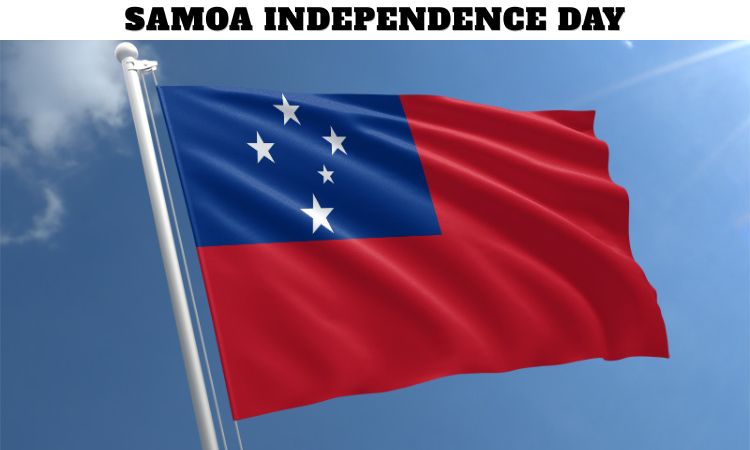
Why Is Samoa Independence Day Celebrated on June 1?
Samoa Independence Day, celebrated annually on June 1, commemorates one of the most important milestones in the nation’s history. The day marks Samoa’s achievement of independence in 1962, making it the first Pacific Island nation to regain independence during the twentieth century. This historic occasion represents the end of colonial administration and the beginning of self-governance for the Samoan people.
Independence Day is more than a national holiday. It is a celebration of freedom, self-determination, cultural identity, and national pride. Citizens across Samoa come together to honor their ancestors, recognize the sacrifices made by previous generations, and celebrate the progress the nation has achieved since becoming independent.
The holiday serves as a powerful reminder of Samoa’s journey toward sovereignty and the importance of preserving its traditions, values, and cultural heritage for future generations.
What Is the Historical Background of Samoa Independence Day?
The history of Samoa’s independence is deeply rooted in the nation’s determination to govern itself and preserve its cultural identity. Throughout its history, Samoa experienced periods of foreign influence and administration by several colonial powers.
In the late nineteenth and early twentieth centuries, international competition among foreign nations influenced political developments in the islands. Eventually, Western Samoa came under foreign administration and later became a trust territory administered by New Zealand under international supervision.
During the twentieth century, Samoan leaders and citizens increasingly advocated for self-government and political autonomy. Through peaceful political movements, negotiations, and international cooperation, Samoa steadily progressed toward independence.
On January 1, 1962, Samoa officially became an independent nation. However, Independence Day celebrations were later shifted to June 1 to allow for more favorable weather conditions and broader public participation. Since then, June 1 has become the annual date for national celebrations.
The holiday symbolizes the successful achievement of sovereignty through determination, diplomacy, and national unity.
Why Is Samoa’s Independence Significant in Pacific History?
Samoa’s independence holds special significance not only for its citizens but also for the broader Pacific region. When Samoa became independent in 1962, it became the first Pacific Island country in the modern era to regain its sovereignty.
This achievement inspired other Pacific nations pursuing greater self-governance and independence. Samoa demonstrated that peaceful political engagement and strong national leadership could successfully lead a country toward self-determination.
The nation’s independence became an important example of political maturity, cultural resilience, and national pride. Samoa’s success helped shape discussions about governance, identity, and development throughout the Pacific.
Today, Samoa’s independence continues to be recognized as a landmark achievement in regional history and an important chapter in the global movement toward decolonization.
How Did Samoa Achieve Independence?
Samoa’s path to independence was characterized by political advocacy, diplomatic negotiations, and a strong commitment to national self-determination. Throughout the twentieth century, Samoan leaders worked to secure greater autonomy and representation for their people.
The movement toward independence was supported by widespread public participation and a desire to preserve traditional customs while establishing a modern democratic government. Political leaders collaborated with international organizations and governing authorities to develop a framework for self-rule.
Constitutional discussions and public consultations helped ensure that independence reflected the aspirations of the Samoan people. These efforts culminated in the establishment of an independent nation with its own constitution, government institutions, and democratic processes.
The peaceful nature of Samoa’s transition to independence remains a source of national pride and serves as an example of constructive political progress.
What Does Independence Mean to the People of Samoa?
For the people of Samoa, independence represents freedom, responsibility, and the ability to determine their own future. It signifies the right to govern national affairs, protect cultural traditions, and pursue development according to local priorities and values.
Independence also reflects the strength of Samoan identity. The nation has successfully maintained many traditional customs, social structures, and cultural practices while participating actively in the modern global community.
The holiday encourages reflection on the responsibilities that accompany freedom. Citizens are reminded that national progress depends on education, leadership, community involvement, and respect for democratic institutions.
For many Samoans, Independence Day is both a celebration of past achievements and a commitment to building a prosperous future.
How Is Samoa Independence Day Celebrated?
Samoa Independence Day is celebrated with enthusiasm and national pride throughout the country. The festivities often extend over several days and include a variety of cultural, educational, and ceremonial activities.
Official government ceremonies are typically held to commemorate the historic occasion. National leaders deliver speeches reflecting on the country’s achievements, challenges, and future aspirations.
Traditional performances play a major role in the celebrations. Music, dance, and cultural presentations showcase Samoa’s rich heritage and artistic traditions. Communities gather to enjoy performances that highlight the unique customs and values of Samoan society.
Parades, sporting competitions, flag-raising ceremonies, and public gatherings are also common features of Independence Day festivities. Schools, businesses, and local organizations often participate in events that foster community spirit and national unity.
These celebrations strengthen the connection between citizens and their shared national identity.
Why Is Samoan Culture Central to Independence Day Celebrations?
Culture is at the heart of Samoa’s national identity, making it a central part of Independence Day celebrations. Traditional customs, language, music, dance, and social values have been preserved for generations and remain deeply important in modern Samoan society.
The holiday provides an opportunity to showcase cultural achievements and educate younger generations about their heritage. Traditional dance performances, known for their storytelling and artistic expression, are often featured during celebrations.
The Samoan language is also prominently used during ceremonies and public events, reinforcing the importance of cultural preservation. Families and communities gather to share traditional foods and participate in cultural activities that strengthen social bonds.
By celebrating culture alongside independence, Samoa demonstrates that national identity is rooted not only in political sovereignty but also in the preservation of traditions and values.
What Role Does National Unity Play on Independence Day?
National unity is one of the most important themes of Samoa Independence Day. The holiday brings together people from different communities, regions, and backgrounds to celebrate a shared history and common future.
The journey toward independence required cooperation, determination, and collective effort. Independence Day serves as a reminder that national progress is best achieved when citizens work together toward common goals.
Public celebrations emphasize inclusiveness, community participation, and mutual respect. Schools, cultural groups, government institutions, and private organizations often collaborate in organizing events that promote social cohesion.
The spirit of unity demonstrated during Independence Day celebrations reinforces the values that helped shape Samoa’s success as an independent nation.
How Has Samoa Developed Since Independence?
Since achieving independence, Samoa has made significant progress in many areas, including education, healthcare, infrastructure, governance, and economic development. The nation has successfully balanced modernization with the preservation of its cultural traditions.
Education has expanded considerably, providing greater opportunities for young people to contribute to national development. Improvements in healthcare and public services have enhanced the quality of life for many citizens.
Samoa has also become an active participant in regional and international organizations, contributing to discussions on environmental sustainability, economic cooperation, and development in the Pacific region.
While challenges remain, the country’s achievements since independence demonstrate the benefits of self-governance and long-term national planning.
Independence Day provides an opportunity to celebrate these accomplishments while continuing to work toward future goals.
What Lessons Can Future Generations Learn from Samoa Independence Day?
Samoa Independence Day offers valuable lessons about perseverance, leadership, cultural preservation, and national responsibility. The country’s journey to sovereignty demonstrates the importance of determination and collective effort in achieving meaningful change.
Young people can learn about the sacrifices made by previous generations and gain a deeper appreciation for the freedoms they enjoy today. Understanding the history of independence encourages responsible citizenship and active participation in society.
The holiday also highlights the importance of protecting cultural heritage while embracing opportunities for growth and innovation. Future generations are encouraged to honor their traditions while contributing to national progress.
These lessons help ensure that the values associated with independence remain relevant and meaningful for years to come.
Why Does Samoa Independence Day Continue to Inspire National Pride?
Samoa Independence Day continues to inspire national pride because it celebrates one of the nation’s greatest achievements. The holiday represents freedom, resilience, self-determination, and the enduring strength of Samoan culture.
Every June 1, citizens reflect on the journey that led to independence and recognize the responsibilities that accompany sovereignty. The celebrations honor the contributions of leaders, communities, and ordinary citizens who helped shape the nation’s future.
The holiday also serves as a reminder that independence is an ongoing commitment to good governance, social progress, and cultural preservation. By commemorating this historic achievement, Samoa reaffirms its dedication to building a strong, prosperous, and united nation.
As one of the most important dates on the national calendar, Samoa Independence Day remains a powerful symbol of freedom and identity, inspiring current and future generations to continue advancing the values upon which the nation was founded.
Frequently Asked Questions (FAQs)
1. When is Samoa Independence Day celebrated?
Samoa Independence Day is celebrated annually on June 1.
2. What does Samoa Independence Day commemorate?
It commemorates Samoa’s achievement of independence in 1962 and its transition to self-governance.
3. Why is Samoa’s independence historically significant?
Samoa became the first Pacific Island nation to regain independence in the twentieth century.
4. When did Samoa officially become independent?
Samoa officially gained independence on January 1, 1962.
5. Why is the holiday celebrated on June 1 instead of January 1?
The celebration was moved to June 1 to provide more favorable weather and allow broader participation.
6. How is Samoa Independence Day celebrated?
Celebrations include parades, cultural performances, official ceremonies, sporting events, and community gatherings.
7. Why is culture important during Independence Day celebrations?
The holiday highlights the preservation of Samoan traditions, language, music, and cultural identity.
8. What values does Samoa Independence Day represent?
The holiday represents freedom, self-governance, unity, national pride, and cultural preservation.
9. Who can participate in Independence Day celebrations?
Citizens, communities, schools, organizations, and visitors can participate in the celebrations.
10. Why is Samoa Independence Day important today?
It reminds citizens of their history, achievements, responsibilities, and commitment to national development.