

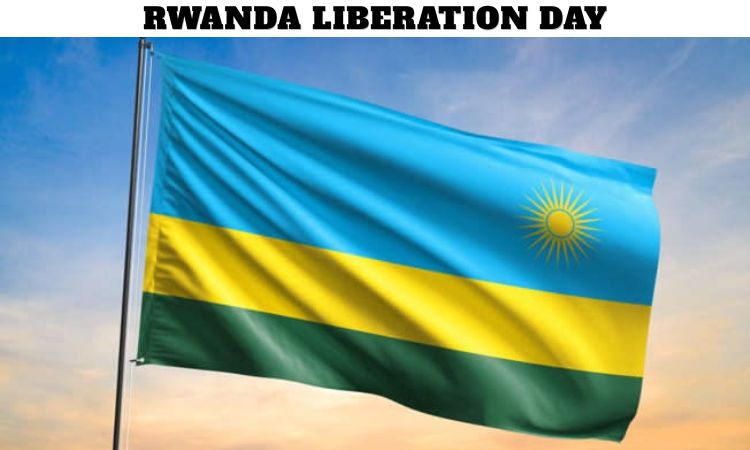
What Is Rwanda Liberation Day?
Rwanda Liberation Day, observed annually on July 4, is one of the most significant national holidays in Rwanda. Commonly known as Kwibohora, which means “liberation” in Kinyarwanda, the day commemorates the end of the 1994 Genocide against the Tutsi and marks the liberation of Rwanda by the Rwanda Patriotic Front (RPF).
The observance honors the country’s journey from one of the darkest periods in its history to a path of peace, reconciliation, national unity, and development. Rwanda Liberation Day serves as both a remembrance of past suffering and a celebration of resilience, recovery, and hope for the future.
For Rwandans, July 4 represents a turning point in national history. It symbolizes the restoration of security, the rebuilding of institutions, and the commitment to creating a united and prosperous nation.
Why Is Rwanda Liberation Day Celebrated on July 4?
Rwanda Liberation Day is celebrated on July 4 because this date marks the capture of Kigali by the Rwanda Patriotic Front in 1994, effectively ending the genocide and bringing an end to months of widespread violence and atrocities.
The 1994 Genocide against the Tutsi lasted approximately 100 days, beginning in April 1994. During this period, hundreds of thousands of people were killed, and the nation experienced immense devastation.
On July 4, 1994, the Rwanda Patriotic Front, led by Paul Kagame, secured control of Kigali, bringing an end to the genocide and restoring stability to much of the country.
The liberation marked the beginning of Rwanda’s reconstruction process. Since then, July 4 has been commemorated annually to honor those who contributed to restoring peace and to reaffirm the nation’s commitment to unity and reconciliation.
What Historical Events Led to Rwanda Liberation Day?
Understanding Rwanda Liberation Day requires examining the historical circumstances that preceded it.
Rwanda experienced decades of ethnic tensions and political instability during the twentieth century. Colonial policies implemented during German and Belgian rule contributed to divisions within society by institutionalizing ethnic classifications.
Following independence in 1962, political tensions continued, resulting in periodic violence and displacement. Many Rwandans fled the country and became refugees in neighboring states.
In 1990, the Rwanda Patriotic Front, composed largely of Rwandan refugees, launched an armed struggle seeking the right of return, political reform, and national unity. The conflict led to peace negotiations and the signing of the Arusha Accords in 1993.
However, following the assassination of President Juvénal Habyarimana on April 6, 1994, extremist elements initiated the Genocide against the Tutsi. The violence spread rapidly across the country.
The Rwanda Patriotic Front resumed military operations and eventually ended the genocide in July 1994, paving the way for national reconstruction and reconciliation.
How Did Rwanda Rebuild After Liberation?
The years following liberation presented enormous challenges. Rwanda’s infrastructure, economy, institutions, and social fabric had been severely damaged.
The government initiated extensive reconstruction efforts aimed at restoring security, rebuilding public institutions, and promoting reconciliation among citizens.
Key reconstruction initiatives included:
- Reestablishing law and order.
- Rebuilding schools, hospitals, and public infrastructure.
- Resettling displaced populations and returning refugees.
- Strengthening governance institutions.
- Reviving economic activity.
- Encouraging national unity and reconciliation programs.
Community-based initiatives such as the Gacaca courts were introduced to address genocide-related crimes and promote justice and healing.
Through sustained efforts, Rwanda has achieved notable progress in areas including healthcare, education, economic development, gender equality, and technological innovation.
The country’s transformation is frequently cited as an example of post-conflict recovery and nation-building.
Why Is National Unity Central to Rwanda Liberation Day?
National unity remains one of the most important themes associated with Rwanda Liberation Day.
The events of 1994 demonstrated the devastating consequences of division, hatred, and discrimination. As a result, post-liberation Rwanda has emphasized fostering a shared national identity that transcends ethnic distinctions.
Government policies and public programs promote values such as:
- Unity.
- Reconciliation.
- Inclusiveness.
- Patriotism.
- Responsible citizenship.
- Peaceful coexistence.
Rwanda Liberation Day reinforces these principles by encouraging citizens to reflect on the past while working collectively toward a peaceful future.
The observance serves as a reminder that maintaining unity requires ongoing commitment from all members of society.
How Is Rwanda Liberation Day Celebrated?
Rwanda Liberation Day is commemorated through a variety of official and community activities across the country.
National ceremonies often include speeches by government leaders, cultural performances, military displays, and public gatherings that reflect on the significance of liberation.
Common observances include:
- National commemorative ceremonies.
- Flag-raising events.
- Patriotic and cultural performances.
- Educational discussions and public lectures.
- Community service activities.
- Youth engagement programs.
- Exhibitions highlighting Rwanda’s development achievements.
Many celebrations also focus on honoring individuals who contributed to the liberation struggle and recognizing progress achieved since 1994.
Throughout the country, citizens participate in events that emphasize patriotism, unity, and national pride.
What Does Kwibohora Mean to Rwandans Today?
For many Rwandans, Kwibohora represents far more than a historical anniversary. It embodies a national philosophy centered on self-reliance, resilience, and collective responsibility.
The concept of liberation extends beyond military victory to include freedom from poverty, ignorance, division, and dependence.
Modern interpretations of Kwibohora emphasize:
- Economic empowerment.
- Social development.
- Innovation and entrepreneurship.
- Good governance.
- National self-determination.
- Continuous progress.
Each year, the observance encourages citizens to assess national achievements while identifying areas requiring further improvement.
Kwibohora has become an enduring symbol of Rwanda’s aspirations for sustainable development and long-term prosperity.
How Has Rwanda Changed Since Liberation?
Since 1994, Rwanda has undergone significant transformation across numerous sectors.
Economic growth has expanded opportunities for investment, entrepreneurship, and job creation. Infrastructure improvements have enhanced transportation, energy access, and digital connectivity.
The country has also made considerable progress in healthcare and education. Increased access to medical services and expanded educational opportunities have contributed to improved quality of life for many citizens.
Rwanda has gained international recognition for advancements in:
- Women’s representation in leadership.
- Environmental sustainability.
- Technological innovation.
- Tourism development.
- Public service delivery.
- Ease of doing business.
Although challenges remain, Rwanda’s progress since liberation demonstrates the potential of coordinated national reconstruction efforts.
Why Is Rwanda Liberation Day Important for Future Generations?
Rwanda Liberation Day plays a vital role in educating younger generations about the nation’s history and values.
Many young Rwandans were born after the events of 1994. Commemorative activities ensure that historical experiences are remembered and understood.
The observance encourages youth to:
- Learn from the past.
- Promote peace and tolerance.
- Reject division and discrimination.
- Contribute positively to society.
- Uphold national unity.
- Participate actively in national development.
By preserving historical memory, Rwanda seeks to prevent future violence and strengthen democratic and social institutions.
Future generations are encouraged to carry forward the principles of unity, resilience, and responsible citizenship.
What Is the Lasting Legacy of Rwanda Liberation Day?
The lasting legacy of Rwanda Liberation Day lies in its message of hope, resilience, and transformation.
The day commemorates the end of immense suffering while celebrating the determination of Rwandans to rebuild their country. It reflects the nation’s commitment to peace, reconciliation, and inclusive development.
Rwanda Liberation Day also reminds the international community of the importance of preventing genocide, promoting human dignity, and supporting post-conflict recovery.
As Rwanda continues its journey toward sustainable development and national progress, July 4 remains a powerful symbol of liberation, renewal, and collective responsibility.
The annual observance ensures that the lessons of history are remembered while inspiring future generations to work toward a peaceful and prosperous society.
Frequently Asked Questions (FAQs)
1. What is Rwanda Liberation Day?
Rwanda Liberation Day commemorates the liberation of Rwanda on July 4, 1994, and the end of the Genocide against the Tutsi.
2. When is Rwanda Liberation Day celebrated?
It is observed every year on July 4.
3. What does Kwibohora mean?
Kwibohora is a Kinyarwanda word meaning “liberation.”
4. Why is July 4 significant in Rwanda?
July 4 marks the liberation of Kigali and the end of the genocide in 1994.
5. Who led the liberation of Rwanda?
The Rwanda Patriotic Front led the liberation efforts.
6. How is Rwanda Liberation Day celebrated?
The day is marked by national ceremonies, cultural events, speeches, and community activities.
7. Why is national unity emphasized during the celebration?
National unity is promoted to strengthen reconciliation and prevent future divisions.
8. What is the importance of Rwanda Liberation Day?
The holiday honors peace, resilience, reconstruction, and national development.
9. How has Rwanda changed since liberation?
Rwanda has made significant progress in economic growth, healthcare, education, and governance.
10. Why is Rwanda Liberation Day important for young people?
It helps younger generations understand history and promotes values of peace, unity, and responsible citizenship.