

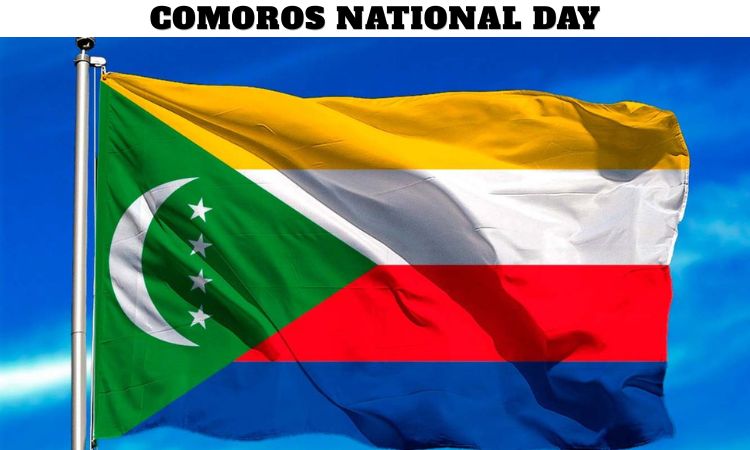
What Is Comoros National Day?
Comoros National Day, celebrated every year on July 6, commemorates the independence of the Union of the Comoros from French colonial rule in 1975. It is the country’s most important national holiday, honoring the declaration of sovereignty, the resilience of its people, and the rich cultural heritage that defines this island nation in the Indian Ocean.
National Day is more than a celebration of political independence. It is an occasion for Comorians to reflect on their shared history, recognize the sacrifices made during the struggle for self-determination, and celebrate the unity and diversity of the country’s people. Across the islands, citizens participate in official ceremonies, cultural performances, community gatherings, and patriotic events that highlight the nation’s achievements and aspirations.
The holiday also serves as a reminder of Comoros’ commitment to peace, development, and preserving its unique cultural and natural heritage for future generations.
Why Is Comoros National Day Celebrated on July 6?
Comoros National Day is observed on July 6 because this is the date in 1975 when the country officially declared its independence from France. After years of colonial administration and growing calls for self-governance, the Comorian Parliament proclaimed the nation’s independence, marking the beginning of a new era.
The declaration followed a period of political discussions and constitutional developments that reflected the desire of many Comorians to govern their own affairs. Although the transition to independence presented political and economic challenges, July 6 remains a powerful symbol of national pride and sovereignty.
Every year, the anniversary is celebrated to honor the country’s independence and to recognize the determination of those who worked toward establishing the modern Comorian nation.
Where Is Comoros Located?
The Union of the Comoros is an island nation situated in the Indian Ocean, between the eastern coast of Africa and the island of Madagascar. The country occupies a strategic position in the Mozambique Channel, making it an important part of the western Indian Ocean region.
Comoros consists primarily of three main islands:
- Grande Comore (Ngazidja)
- Anjouan (Ndzuwani)
- Mohéli (Mwali)
A fourth island, Mayotte, remains under French administration and is not part of the Union of the Comoros, despite the country’s longstanding claim to the island.
The islands are known for their volcanic landscapes, tropical climate, pristine beaches, coral reefs, and rich biodiversity.
How Did Comoros Gain Independence?
The history of Comoros reflects centuries of trade, migration, and cultural exchange. Arab, African, Persian, and later European influences shaped the islands over many generations.
France gradually established colonial control over the islands during the nineteenth century. Comoros officially became a French overseas territory, and its political and administrative systems were closely linked to France.
During the twentieth century, movements advocating greater autonomy gained momentum. Political leaders and citizens increasingly sought independence, inspired by decolonization movements occurring across Africa.
Following negotiations and constitutional changes, Comoros declared independence on July 6, 1975. Although political developments after independence were often complex, the declaration remains one of the most significant milestones in the country’s history.
Why Is Comoros National Day Important?
National Day holds deep meaning for Comorians because it celebrates freedom, national identity, and self-determination.
The holiday recognizes several important values:
- National sovereignty.
- Unity among the islands.
- Cultural preservation.
- Democratic aspirations.
- Economic development.
- Peaceful cooperation.
- Respect for history.
- Pride in national achievements.
It also encourages citizens to reflect on the country’s progress while working together toward a prosperous future.
Schools, community organizations, and government institutions use the occasion to educate younger generations about Comoros’ journey to independence and the responsibilities of citizenship.
How Is Comoros National Day Celebrated?
Comoros National Day is celebrated with patriotic enthusiasm throughout the country.
Common celebrations include:
- Flag-raising ceremonies.
- Presidential addresses.
- Military parades.
- Cultural festivals.
- Traditional music performances.
- Folk dances.
- Community feasts.
- Religious gatherings.
- School programs.
- Fireworks displays in some communities.
Government officials often deliver speeches highlighting national accomplishments, development goals, and the importance of unity.
Local communities organize sporting events, concerts, and cultural exhibitions that showcase traditional crafts, clothing, music, and dance.
Families also gather to share meals and celebrate together, strengthening social bonds and community spirit.
What Makes Comorian Culture Unique?
Comorian culture is a fascinating blend of African, Arab, Persian, Malagasy, and French influences.
This diversity is reflected in:
- Language.
- Architecture.
- Cuisine.
- Clothing.
- Religious traditions.
- Music.
- Dance.
- Festivals.
- Storytelling.
- Family customs.
The majority of Comorians practice Islam, which plays an important role in daily life and many cultural celebrations.
Traditional music often features rhythmic percussion, singing, and ceremonial dances performed during weddings, festivals, and national celebrations.
Hospitality remains a defining characteristic of Comorian society, with visitors often welcomed warmly into homes and communities.
What Languages Are Spoken in Comoros?
Comoros has three official languages:
- Comorian (Shikomori).
- French.
- Arabic.
Shikomori consists of several dialects spoken across the islands and serves as the primary language for everyday communication.
French is widely used in government, education, and administration, while Arabic holds significant religious and cultural importance.
This multilingual environment reflects the country’s diverse historical influences and strong regional connections.
What Foods Are Enjoyed During National Day Celebrations?
Food plays an important role in Comorian celebrations, including National Day.
Traditional dishes often feature fresh local ingredients such as rice, seafood, coconut, spices, bananas, cassava, and tropical fruits.
Popular dishes include:
- Coconut rice.
- Grilled fish.
- Chicken stews.
- Cassava dishes.
- Plantains.
- Fried bananas.
- Spiced meat dishes.
- Fresh seafood curries.
- Tropical fruit desserts.
- Vanilla-flavored sweets.
Comoros is one of the world’s leading producers of ylang-ylang, vanilla, and cloves, and these aromatic products influence many aspects of local cuisine and agriculture.
Sharing meals with family and neighbors remains an important part of National Day festivities.
What Are Some Interesting Facts About Comoros?
Comoros has many unique characteristics that distinguish it from other nations.
Interesting facts include:
- Comoros gained independence on July 6, 1975.
- It is one of Africa’s smallest countries by land area.
- The islands were formed through volcanic activity.
- Mount Karthala on Grande Comore is one of the world’s largest active volcanoes.
- Comoros is famous for producing ylang-ylang essential oil.
- Vanilla and cloves are major agricultural exports.
- The country has three official languages.
- Islam is the predominant religion.
- Marine biodiversity is exceptionally rich.
- The islands are home to beautiful coral reefs and diverse wildlife.
These features contribute to Comoros’ distinctive identity and growing appeal as an ecotourism destination.
How Can People Celebrate Comoros National Day?
People inside and outside Comoros can observe National Day in meaningful ways.
Ideas include:
- Learning about Comorian history.
- Exploring Comorian cuisine.
- Listening to traditional music.
- Watching cultural documentaries.
- Reading about the country’s independence movement.
- Supporting Comorian artists and businesses.
- Studying the geography of the islands.
- Sharing educational resources.
- Attending cultural events.
- Promoting awareness of Comorian heritage.
These activities encourage greater appreciation for one of Africa’s lesser-known yet culturally rich nations.
Why Does Comoros National Day Continue to Matter Today?
Comoros National Day remains an important reminder of the country’s journey toward independence and its continuing efforts to build a peaceful, prosperous future.
The holiday encourages citizens to celebrate their shared identity while recognizing the importance of unity, education, sustainable development, and international cooperation.
As Comoros continues to address modern challenges and opportunities, National Day reinforces the values of resilience, patriotism, and hope that have guided the nation since independence.
For people around the world, July 6 also offers an opportunity to discover the history, culture, and natural beauty of this remarkable island nation.
Frequently Asked Questions (FAQs)
1. When is Comoros National Day celebrated?
Comoros National Day is celebrated every year on July 6.
2. What does Comoros National Day commemorate?
It commemorates the country’s declaration of independence from France on July 6, 1975.
3. Where is Comoros located?
Comoros is located in the Indian Ocean between the eastern coast of Africa and Madagascar.
4. How many main islands make up the Union of the Comoros?
The Union of the Comoros consists of three main islands: Grande Comore, Anjouan, and Mohéli.
5. What are the official languages of Comoros?
The official languages are Comorian (Shikomori), French, and Arabic.
6. How do people celebrate Comoros National Day?
Celebrations include flag ceremonies, military parades, cultural performances, traditional dances, concerts, community gatherings, and official speeches.
7. What is Comoros famous for?
Comoros is famous for its ylang-ylang production, vanilla, cloves, volcanic landscapes, coral reefs, and multicultural heritage.
8. What is the highest point in Comoros?
Mount Karthala, an active volcano on Grande Comore, is the country’s highest peak.
9. What foods are commonly enjoyed during National Day celebrations?
Popular foods include coconut rice, grilled fish, seafood dishes, cassava, plantains, tropical fruits, and spiced stews.
10. Why is Comoros National Day important?
It celebrates the nation’s independence, sovereignty, cultural identity, and ongoing commitment to unity and development.